


Hella Wiper and Washer

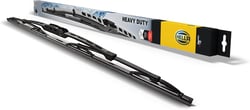
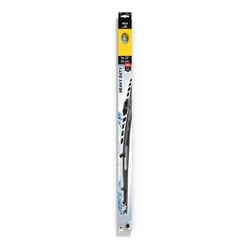
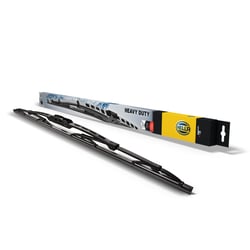
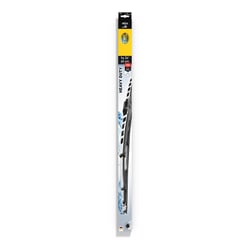
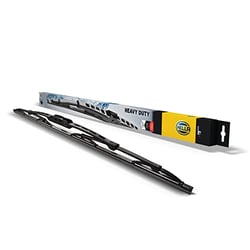
Hella 191398361 36 Inch Heavy Duty Wiper Blade, Graphite-Coated Rubber, Single
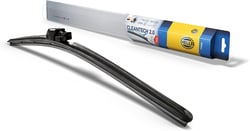
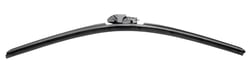
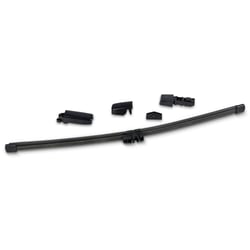
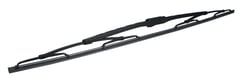
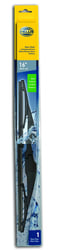
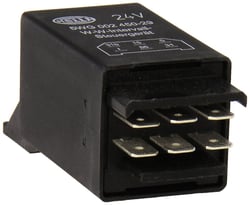
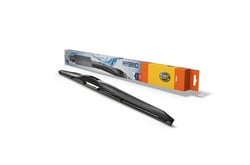
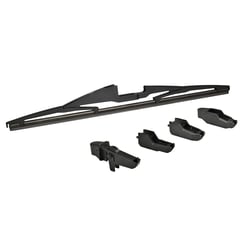
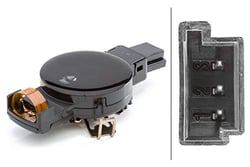
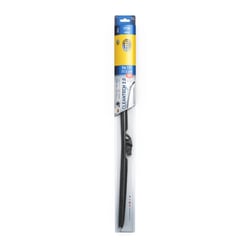
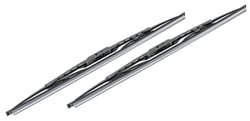
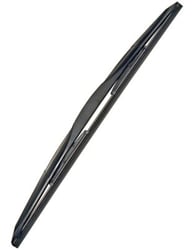
Hella 9XW398115015T 15 Inch Rear Wiper Blade OE Connector
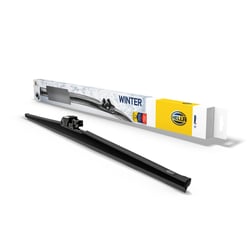
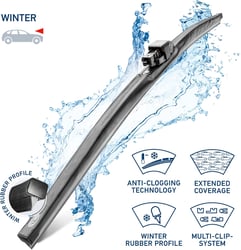
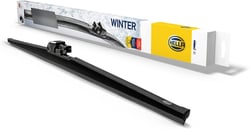
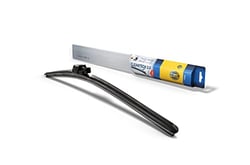
Hella 358004181 Winter Wiper Blade 18 Inch OE Quality Rubber Single Blade
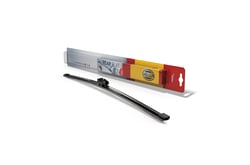
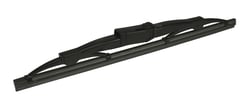
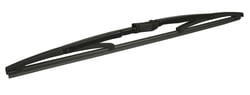
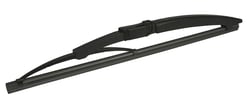
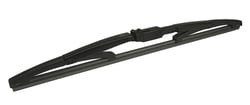
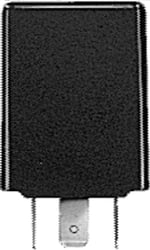
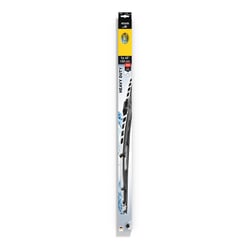
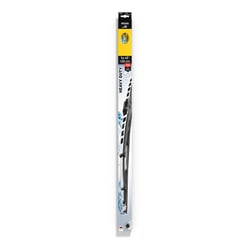
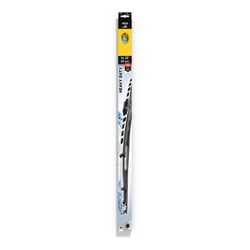
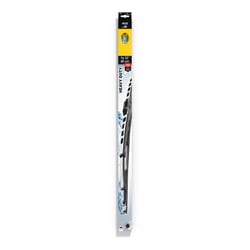
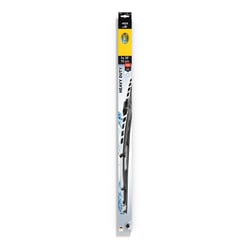
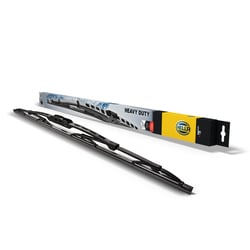
Hella 9XW191398281 Heavy Duty Wiper Blade 28 Inch Graphite-Coated Single Blade
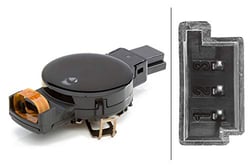
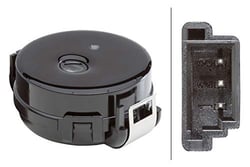
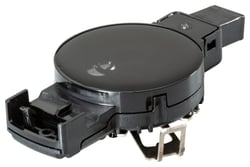
Hella 011270701 Rain Sensor with Head-Up Display Compatibility
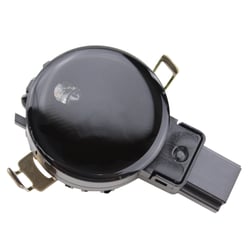
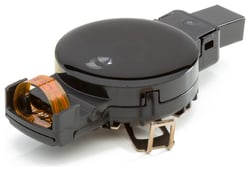
Hella 011012831 Rain Light Sensor Multi-Function Combination Module
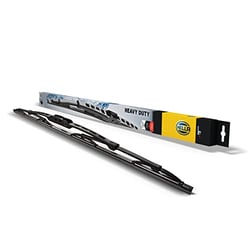
Hella 358178201 20-Inch Heavy Duty Bracket Wiper Blade for Trucks and Commercial Vehicles
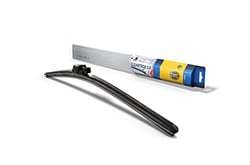
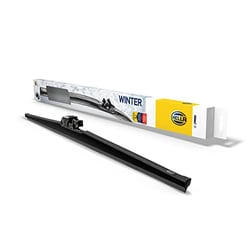
Hella 358004201 Winter Wiper Blade 20 Inch OE Quality Rubber Single Blade
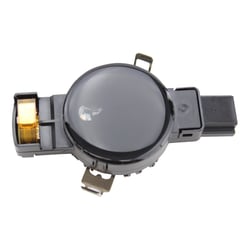
Hella 011807921 Rain-Light-Solar-Humidity Sensor for Automatic Climate & Lighting Control
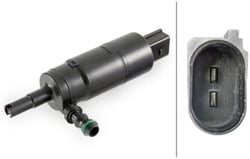
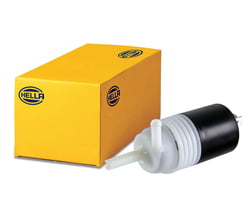
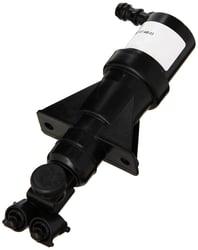
Hella 006849031 Headlight Washer Pump 12V Electric Mono Pump
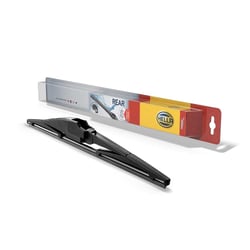
Hella 358182101 9XW Rear Wiper Blade 10 Inch RP10 Bracket Style
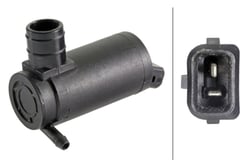
Hella 006848001 Windshield Washer Pump 12V Electric Water Pump
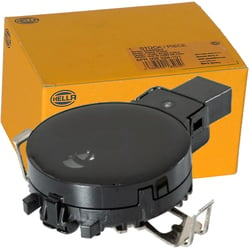
- 1
- 2
Hella: Over 125 Years of Automotive Lighting and Electronics Engineering
Hella traces its origins to 1899, when Sally Windmüller founded a small workshop in Lippstadt, Germany — then called Westfälische Metall-Industrie Aktien-Gesellschaft — producing kerosene lamps and horns for carriages. That singular focus on illumination never wavered. By 1908 the company was supplying acetylene headlamps to the earliest automobiles, and by 1913 it had introduced the first electric vehicle lighting system. Over the following century, Hella racked up a string of automotive firsts: the world's first licensed H4 double-filament halogen headlamp in 1971, the pioneering first-generation xenon and bi-xenon headlamps in the early 1990s, and the first full LED headlamp with Adaptive Front-lighting System (AFS) functionality in 2010. Today, operating as part of the FORVIA Group, Hella is recognized as one of the top automotive suppliers on the planet, with a presence in over 35 countries and OEM relationships spanning virtually every major automaker — from Audi and BMW to Ford, General Motors, Mercedes-Benz, and Volkswagen.
What Makes Hella Different
Hella's competitive edge comes from a rare combination of OEM-grade engineering discipline and real-world performance heritage. Its lighting expertise is not limited to the laboratory or the factory floor: Hella driving lights — most famously the Rallye 3000 and Rallye 4000 series — have illuminated the Baja 1000, the 24 Hours of Le Mans, and the Pikes Peak International Hill Climb. That motorsport pedigree translates directly into the durability and optical precision found across the entire product lineup. Whether you are restoring a European-spec vehicle and need a precise-fit Hella headlight assembly, sourcing a direct-replacement Hella headlight bulb or unit, or outfitting a vessel with compliant Hella portable navigation lights, you are drawing on the same century-plus of optical engineering.
Lighting Technology Built to Last
Hella's product catalog spans four core divisions: Lighting, Electronics, Lifecycle Solutions, and Special Applications. The Lighting division covers everything from headlamps and rear combination lamps to daytime running lights, interior lighting, and auxiliary work lamps. The Electronics division produces radar sensors, steering electronics, body electronics, and energy management solutions — including the Hella battery current sensors that modern vehicles rely on for precise charge monitoring and start-stop system management. The Special Applications segment extends Hella's reach into marine, agricultural, and commercial vehicle markets, which is why the brand is equally at home on a fishing boat as it is on a European sports sedan.
OEM Quality, Aftermarket Availability
One of Hella's most compelling arguments for the aftermarket consumer is the continuity between its OEM and replacement parts. Because Hella supplies the same headlamp assemblies, sensors, and electronics to vehicle manufacturers during production, its aftermarket parts are engineered to meet the same specifications — not merely approximations. That means correct beam patterns, exact connector compatibility, and the longevity that engineers designed into the vehicle from day one. For technicians and enthusiasts alike, fitting a Hella component is as close to a factory-correct repair as the aftermarket allows.