


Parking Brake Adjuster Cable








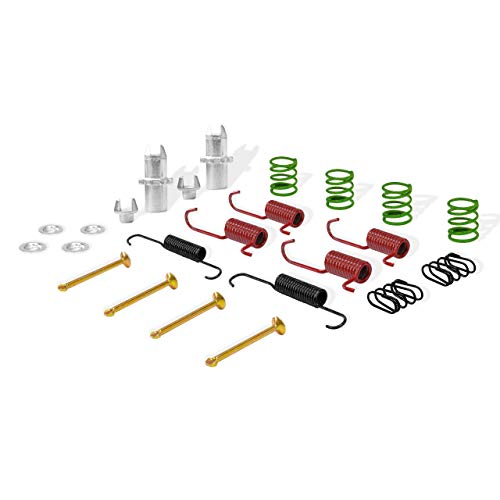 Representative Photo, actual item may vary
 Representative Photo, actual item may vary


What Is a Parking Brake Adjuster Cable?
The parking brake adjuster cable is a critical piece of brake hardware that links the parking brake lever or pedal to the rear brake assemblies, allowing the system to be tensioned and calibrated for consistent, reliable holding power. Without a properly functioning adjuster cable, your vehicle’s emergency brake simply cannot do its job.
At its core, the parking brake system relies on steel cables routed beneath the vehicle to mechanically engage the rear brakes independent of the hydraulic system. Parking brake adjuster cables are the specific components that manage the tension in this cable run. An equalizer mechanism is responsible for distributing the force applied by the parking brake lever evenly to both rear wheels, ensuring the parking brake engages both sides of the vehicle simultaneously. The adjuster cable connects to this equalizer and allows the overall cable length and tension to be set or corrected as the system wears.
Why the Adjuster Cable Matters
The parking or emergency brake has two crucial functions: it must hold the vehicle on an incline, and stop it within a specific distance if the hydraulic brakes fail. That makes keeping this hardware in proper working order a genuine safety priority — not just a convenience item.
Parking brake cables can stretch over time, which creates slack that increases lever or pedal travel. Over time, the parking brake cable can stretch or the brake shoes or pads can wear, necessitating an adjustment. When the adjuster cable itself becomes seized, corroded, or broken, no amount of manual adjustment at the lever will restore proper brake feel. At that point, replacing the adjuster cable is the only reliable fix.
The goal of proper tension is to have enough hold so that the parking brake secures the vehicle, but not so much that it causes the rear brakes to drag when the parking brake is released. A worn or damaged adjuster cable makes achieving that balance impossible.
Signs You Need a New Parking Brake Adjuster Cable
- The brake lever needs to be pulled up many times or clicked many times before it engages.
- The parking brake lever or pedal feels loose, spongy, or travels further than normal before engaging
- The vehicle rolls or creeps even with the parking brake fully applied
- Visible corrosion, fraying, or physical damage on the cable or its housing
- Normal travel on the lever or pedal, but the parking brake will not hold the car on a hill
What to Look for When Shopping
When replacing a parking brake adjuster cable, a direct OEM-style fit is almost always the preferred choice. Vehicle-specific cables ensure proper routing, correct connector ends, and cable lengths that match factory specifications. Pay attention to material quality as well — braided steel construction with a weather-resistant plastic cover ensures long-lasting performance and resists the road grime, moisture, and temperature extremes that cables face in an underbody environment.
For vehicles with self-adjusting parking brake systems, some vehicles feature a self-adjusting parking brake that adjusts the cables at the parking brake pedal rather than at the wheels, managing the length of cable running from the foot pedal under the dash to the equalizer bar and ensuring consistent pedal travel throughout the life of the brake shoes. Make sure any replacement adjuster cable is compatible with your specific system type.
Top Brands for Parking Brake Adjuster Cables
Dorman is a leading name in parking brake hardware, offering both vehicle-specific adjuster cables and universal cable adjustment solutions. Dorman gives repair professionals and vehicle owners greater freedom to fix cars and trucks, and for over 100 years has been driving new solutions for the automotive aftermarket, releasing tens of thousands of replacement products engineered to save time and money. Their parking brake adjuster cables must pass strict material and torque testing before leaving the factory, making them a dependable choice for restoring safe, confident parking brake operation.