


Electronic Brake Control Module




ACDelco GM Original Equipment Electronic Brake Control Module with Brake Pressure Modulator Valve


Standard Motor Products ABS1403 Remanufactured ABS Brake Component

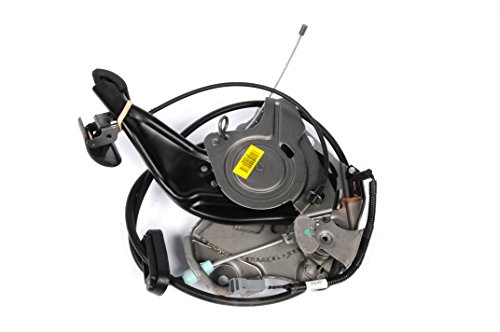 Representative Photo, actual item may vary
 Representative Photo, actual item may vary


ACDelco 25927021 GM Original Equipment Electronic Brake Control Accelerometer and Yaw Sensor Assembly

ACDelco 19417941 GM OE Electronic Brake Control Module Assembly Remanufactured
 Representative Photo, actual item may vary
ACDelco 19417944 GM OE Electronic Brake Control Module Assembly Remanufactured


ACDelco 84244644 GM Original Equipment Electronic Brake Control Module Assembly with Bolts


ACDelco 84646860 GM OE Electronic Brake Control Module with Pressure Modulator Valve

ACDelco 84642394 Electronic Brake Control Module with Brake Pressure Modulator


ACDelco 84662979 Electronic Brake Control Module with Brake Pressure Modulator Valve

ACDelco 42905455 Electronic Brake Control Module (EBCM), Programming Required
 Representative Photo, actual item may vary

ACDelco 84877528 Electronic Brake Control Module with Pressure Modulator Valve Kit


ACDelco 19244895 GM Original Equipment Electronic Brake Control Module Assembly Remanufactured
What Is an Electronic Brake Control Module?
Every time you press the brake pedal in a modern vehicle, a small but powerful computer springs into action. The Electronic Brake Control Module (EBCM) is the central processing unit of your vehicle's advanced braking system. It acts like the brain of your car's braking system, continuously communicating with several sensors to improve braking performance. Far more than a simple on/off switch, the EBCM is the computer that processes wheel-speed sensor data and controls the hydraulic valves that prevent wheel lockup during hard braking.
What Does the EBCM Control?
The EBCM controls the Anti-lock Braking System (ABS) and other safety features like traction control and electronic stability control, ensuring safe and smooth rides. Think of it as the hub of your vehicle's active safety network. The module constantly reads data from four wheel-speed sensors — one at each wheel. Under normal braking, every wheel slows at roughly the same rate. When the module detects that one or more wheels are decelerating dramatically faster than the others, it rapidly cycles a set of solenoid valves inside the hydraulic unit, modulating brake pressure to the affected wheels many times per second.
Beyond preventing lockup, the EBCM also governs the Electronic Stability Control (ESC) system, identifying and reducing loss of traction to improve the stability of the vehicle. And in a panic stop, the Brake Assist system, governed by the EBCM, recognizes such situations and applies maximum braking force, which can significantly reduce braking distance and potentially prevent a collision.
Signs of a Failing EBCM
Because the EBCM is wired into so many interconnected safety systems, a failure rarely goes unnoticed. Common EBCM failure symptoms include an illuminated anti-lock braking system (ABS) light or check engine light, ABS issues, and traction control system (TCS) issues. You may also notice physical changes behind the pedal: when the EBCM is compromised, the ability of the ABS system to work is reduced — one of the physical symptoms is that the tires may lock up during emergency braking. In more severe cases, a malfunctioning ABS/EBCM can lead to increased stopping distances, especially in emergency braking scenarios.
Typical root causes of EBCM failure include cracked solder joints from heat cycling, moisture intrusion, failed internal relays, and voltage surges from jump-starts or bad alternators. Wiring and connector integrity also matter — moisture or road salt can cause corrosion leading to module failure, damaged ABS wheel speed sensors can prevent the module from functioning properly, and a blown fuse or damaged wiring can disrupt communication between the ABS and the vehicle's electrical system.
Key Considerations When Shopping for a Replacement EBCM
- Vehicle Compatibility: EBCM modules are highly vehicle-specific. Always verify fitment using your year, make, model, and trim level before purchasing.
- OEM vs. Remanufactured: Both OEM and quality remanufactured units are valid options. A remanufactured module that has been bench-tested can restore full system functionality at a lower cost than a new OEM part.
- Programming Requirements: In most modern vehicles, it is necessary to reprogram the Electronic Brake Module after replacing it. The new module must be calibrated to match the vehicle's specific systems so that it can communicate correctly with other control units. Without proper programming, the system may fail to function correctly, or warning lights may remain illuminated.
- Diagnosis First: The first step in testing the electronic brake module is to connect an OBD-II scanner to the vehicle's diagnostic port — be sure to use a scanner with ABS capability, as basic code readers may not access brake module data.
- Don't Ignore the Wiring: If the wiring to the EBCM is bad, a new module will not fix the problem. Always check the wiring first.
Why Prompt Replacement Matters
Since the EBCM directly controls the braking system, any malfunction can pose serious safety risks. You can usually drive with an ABS fault because standard hydraulic brakes still work — but stopping distances on slick surfaces increase significantly, and the risk is real. Addressing a failing module promptly is one of the most important maintenance decisions a driver can make for their own safety and that of others on the road.