


Chassis Wiring Harness Connector



Rywire RY-K-SUB-RACE-V3 Mil-Spec Standalone Race K Series Chassis Adapter


Rywire RY-SUPRA-BODY-20P-F 20-Position Female Chassis Connector for Toyota Supra

Rywire RY-B-SUB-EF Chassis Specific Adapter for 88-91 Honda Civic/CRX Si/HF/EX
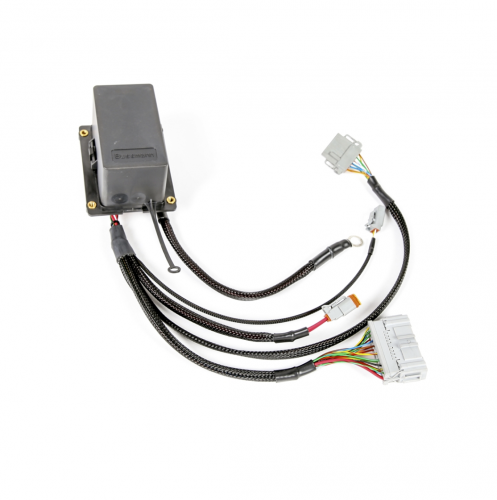 Representative Photo, actual item may vary
Rywire RY-B-SUB-FLY-INFINITY Flying Lead Race Universal Chassis Adapter for AEM Infinity

Rywire RY-B-SUB-EG-2B-INFINITY Chassis Adapter for 00-01 Acura Integra Type 2B AEM Infinity

Rywire RY-B-SUB-EF-DX-EARLY-INFINITY Chassis Specific Adapter for AEM Infinity ECU 88-89 Honda Civic CRX DX STD
What Are Chassis Wiring Harness Connectors?
Chassis wiring harness connectors are the critical interface points that join the wires, terminals, and cables of a vehicle's chassis wiring system into a cohesive electrical network. These connectors serve as the backbone of communication and power distribution across a vehicle's frame — linking sensors, lighting circuits, ABS modules, fuel pump controls, and suspension systems into a unified, reliable assembly.
To understand why these connectors matter, it helps to appreciate what the chassis harness itself does. The chassis harness integrates the electrical components responsible for key features attached to the vehicle frame, including turn signals, headlights, taillights, anti-lock braking system sensors, and more. The connectors within that harness are the secure, repeatable termination points that allow each of those circuits to be installed, serviced, or swapped without disturbing the rest of the system.
Why Chassis Wiring Harness Connectors Matter
Modern vehicles are extraordinarily complex electrical machines. Today's automobiles can contain up to three miles of wiring and cabling, with hundreds of individual connectors spread throughout the chassis. Each connector in that network must maintain a secure, corrosion-resistant bond under conditions that include heat, vibration, moisture, and repeated disconnection cycles. A failed or corroded connector can cascade into intermittent faults, sensor errors, lighting failures, or worse — making connector quality a genuine safety consideration, not just a performance concern.
For builders tackling engine swaps, chassis fabrication, custom builds, or restorations, the chassis wiring harness connector takes on even greater importance. A proper connector ensures that every circuit — from the fuel pump relay to the brake light switch — terminates cleanly and reliably, regardless of how far the build departs from factory spec. Choosing connectors with the correct pin count, weatherproofing rating, and locking mechanism for the application is essential for a build that starts and stays running.
What to Look for When Shopping Chassis Wiring Harness Connectors
- Compatibility: Confirm that the connector matches your specific chassis, ECU, or harness generation — OBD1 and OBD2 systems, for example, use different connector housings and pin layouts.
- Build Quality: Look for connectors that are crimped to OEM specifications, properly sealed against moisture, and made from heat-resistant materials suitable for under-hood or undercarriage environments.
- Identification & Labeling: In complex builds, clearly labeled connectors dramatically reduce installation time and troubleshooting headaches down the road.
- Application-Specific Design: Universal connectors have their place, but application-specific connectors engineered for your chassis type provide the most reliable, plug-and-play fit.
Top Brands in Chassis Wiring Harness Connectors
Rywire is a respected name in the performance and motorsport wiring space, specializing in high-performance, Mil-Spec engine and chassis harnesses primarily for Honda and Acura platforms. Rywire's chassis harness connectors are engineered to work seamlessly with their complete harness ecosystems, with each connector crimped to exacting standards and tagged for easy identification — making them a go-to choice for builders who demand OEM-quality terminations in a performance or race context.