


Engine Coolant Thermostat



Mishimoto MMTS-SUP-86L Racing Thermostat for 1986-1992 Toyota Supra



Mishimoto MMTS-RB-ALLL Nissan RB Engine Racing Thermostat Low Temperature


Beck/Arnley Engine Coolant Thermostat - OE Replacement for Foreign Nameplate Vehicles

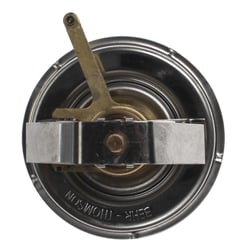


Mishimoto MMTS-TC-05L Racing Thermostat for 2000-2005 Toyota MR2

Mishimoto MMTS-E36-92L Racing Thermostat for BMW E36 1992-1999
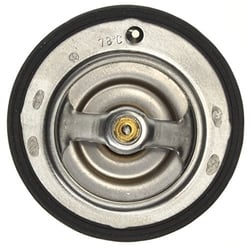


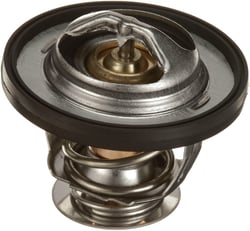


Mishimoto MMTS-240-89KA Racing Thermostat for Nissan 240SX SR20 KA Engine

Mishimoto MMTS-GM-92L Racing Thermostat 160°F for Chevrolet LT1/LT4 Engines
 Representative Photo, actual item may vary

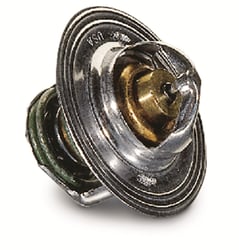



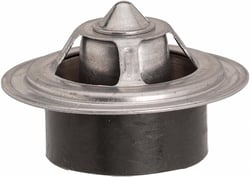









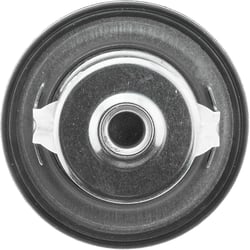

Mishimoto MMTS-WRA-87L Racing Thermostat Low-Temp 180°F Jeep Wrangler 2.5L/4.0L/4.2L 1987-2006


Tuff Stuff Performance 910180 High Flow Thermostat 180° Chrysler Dodge Plymouth


Motorad 427457 Dual Thermostat Kit 180°F & 203°F with Gasket and Seals




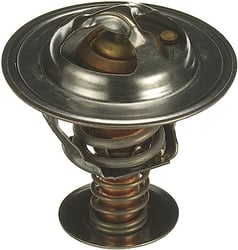


Crown Automotive 55111017AB 203° Secondary Thermostat for Jeep Dodge Chrysler Fiat


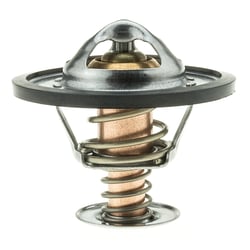

Tuff Stuff Performance 900160 Supercool High Flow Thermostat 160 Degrees

Tuff Stuff Performance 900180 Supercool High Flow 180° Thermostat

Motorad 228-180JV Thermostat 180 Degrees OEM Quality Engine Cooling


What Is an Engine Coolant Thermostat?
Engine coolant thermostats are one of the most compact yet consequential components in your vehicle's cooling system. Engine coolant thermostats act as temperature-activated valves, sitting between the engine block and the radiator and regulating the flow of coolant based on operating temperature. When the engine is cold, the thermostat stays closed, keeping coolant circulating within the engine itself so it can reach its optimal operating temperature quickly. Once the engine warms up, the thermostat opens and allows coolant to flow through the radiator, where heat is shed before the cooled fluid returns to the engine.
Inside virtually every thermostat is a small wax-filled cylinder — a deceptively simple mechanism. As engine temperature rises, the wax melts and expands, physically pushing open the thermostat valve. When temperatures drop, the wax hardens and contracts, closing the valve again. This continuous feedback loop keeps your engine operating within a narrow, ideal temperature band.
Why the Thermostat Matters
Despite its modest size, the thermostat plays an outsized role in overall engine health. An engine that runs too cool wastes fuel and produces excess emissions. An engine that runs too hot risks warped cylinder heads, blown head gaskets, and in severe cases, catastrophic engine failure. Thermostat failure most commonly presents as one of three conditions: stuck closed (leading to rapid overheating), stuck open (leading to a persistently cold or inefficient engine), or erratic temperature fluctuations that can confuse engine management computers and reduce performance.
Common warning signs of a failing thermostat include erratic temperature gauge readings, the check engine light with codes like P0128 or P0125, coolant leaks around the thermostat housing, or a heater that struggles to produce warm air in cold weather. Because thermostats are relatively inexpensive components and are often accessible during water pump service, many mechanics recommend replacing the thermostat at the same time as other cooling system work.
Key Considerations When Shopping for a Replacement Thermostat
- Temperature rating: Thermostats are rated by the temperature at which they open. Always match the replacement unit to your vehicle manufacturer's specification — using the wrong rating can affect fuel economy, emissions, and engine longevity.
- OEM vs. aftermarket: OEM-spec thermostats are engineered to exact factory tolerances. Aftermarket options can offer good value, but quality varies — look for units with robust construction and consistent calibration.
- Integrated housing assemblies: Many modern vehicles use a thermostat integrated into a housing assembly that may also include a coolant temperature sensor and water outlet. Confirm whether your application requires a standalone thermostat or a complete kit.
- Material quality: Stainless steel components and high-quality sealing elements improve corrosion resistance and long-term durability, especially in vehicles that see extreme temperature swings.
Top Brands in Engine Coolant Thermostats
MotoRad is one of the most widely distributed thermostat brands in the aftermarket, with roots going back to 1958. MotoRad develops and manufactures thermostats compatible with internal combustion, hybrid, and electric vehicle platforms, and counts major OEMs and Tier-1 suppliers among its customers. Their UltraStat line features heavy-gauge stainless steel components and their proprietary BLVT™ valve technology, designed to prevent thermal shock to cooling system components. With an extensive catalog spanning a wide range of makes and models, MotoRad is a go-to option for broad application coverage.
For Land Rover owners, Genuine Land Rover thermostats offer the assurance of factory-engineered fitment and specification. Genuine Land Rover thermostat kits — which often include the housing, gasket, and coolant temperature sensor — are designed to precise OEM tolerances for models including the Range Rover, Range Rover Sport, Discovery, Defender, and Evoque. When the priority is an exact factory replacement without guesswork, Genuine Land Rover parts eliminate compatibility concerns entirely.