


Air Brake Reservoir




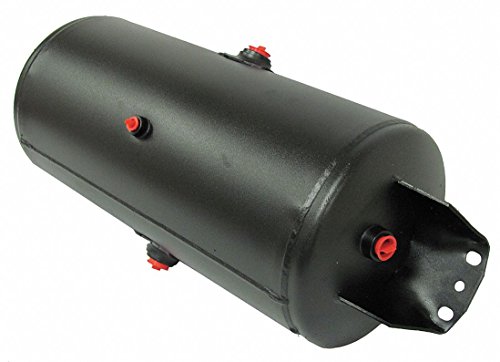 Representative Photo, actual item may vary


Dorman 924-5823 Air Brake Reservoir Wet Tank Assembly 29.5in x 10in 8-Port 150 PSI
What Is an Air Brake Reservoir?
An air brake reservoir — commonly called an air tank or air storage tank — is one of the most critical components in a heavy-duty braking system. It stores the compressed air that powers every brake application on trucks, semi-trailers, buses, and other large commercial vehicles. Without a properly functioning reservoir, the air brake system cannot maintain the pressure needed to bring tens of thousands of pounds of vehicle and cargo to a safe stop.
Unlike passenger cars, which rely on hydraulic fluid to transmit braking force, commercial vehicles use compressed air as the working medium. The air compressor pressurizes the air and feeds it into one or more reservoir tanks, where it is held at typically 100–120 psi and released on demand each time the driver depresses the brake pedal.
How Air Brake Reservoirs Work in the Braking System
Most heavy vehicles are equipped with multiple reservoirs that serve distinct roles within the air supply system. The first tank — often called the wet tank or supply reservoir — is physically closest to the compressor and is where the majority of oil and moisture from the compressor collects. Downstream tanks, referred to as service reservoirs, form the primary source of air for actual brake operation. From there, compressed air is distributed to front axle, rear axle, trailer, and parking brake circuits.
This multi-reservoir design provides a critical safety margin. If the compressor fails or the engine stops, the stored air supply allows the driver to complete several full brake applications before pressure drops to dangerous levels. The system is also engineered to isolate a failed reservoir so that the rest of the braking circuit can continue to function.
The Role of Drain Valves and Moisture Management
Moisture is one of the greatest threats to any air brake system. Water that accumulates inside a reservoir can cause rust, corrosion, and — in freezing temperatures — ice blockages that prevent air from flowing to the brake chambers. That's why air brake reservoirs are equipped with drain valves, also called draincocks, that allow operators to purge accumulated water and contaminants from the tanks. Draining every reservoir at the end of each operational day is a standard best practice for commercial vehicle fleets and is recommended as part of any preventive maintenance program.
Wet Tanks vs. Dry Tanks: Understanding Your System
When shopping for a replacement air brake reservoir, it's important to understand whether you need a wet tank (supply tank) or a dry tank (service tank). Wet tanks are designed to handle the initial intake of compressed air and moisture from the compressor. Dry tanks, positioned downstream, deliver cleaner, drier air to the brake circuits and auxiliary systems. Each tank is pressure-rated and sized to meet the specific demands of its position in the circuit.
Signs It's Time to Replace Your Air Brake Reservoir
- Visible rust or corrosion on the exterior or around fittings and drain valves
- Slow pressure buildup — the system should reach 85–100 psi within 40 seconds at full engine RPM
- Excessive air loss when brakes are held applied (should not exceed 3–4 psi per minute)
- Physical damage such as dents, cracks, or weld failures on the tank body
- Failed drain valves that no longer seal properly or cannot be operated
Compliance and Safety
Air brake reservoirs are subject to federal and state inspection requirements for commercial vehicles. During a DOT roadside inspection or periodic maintenance check, inspectors examine tanks for rust, internal moisture accumulation, and physical damage. A failed or compromised reservoir can put a vehicle out of service and create serious liability for fleet operators. Replacing a worn tank proactively is always preferable to an unplanned breakdown or inspection violation on the road.