





Biker's Choice 492681 Clutch Hub Nut Lock Tab Washers for Harley Big Twin 1941-1984

 Representative Photo, actual item may vary


 Representative Photo, actual item may vary


 Representative Photo, actual item may vary


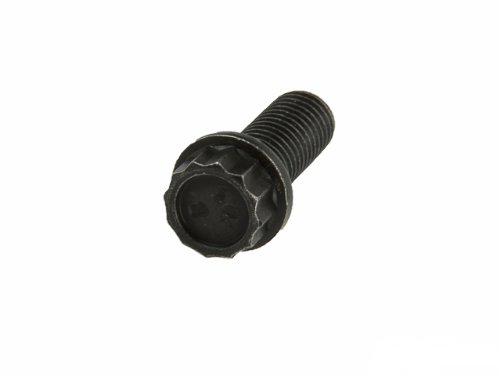
OEM 900-067-090-03 Starter Ring Gear to Clutch Pressure Plate Bolt - M8x42mm


OEM 900-067-090-02 Starter Ring Gear to Clutch Pressure Plate Bolt - M8x42mm
 Representative Photo, actual item may vary


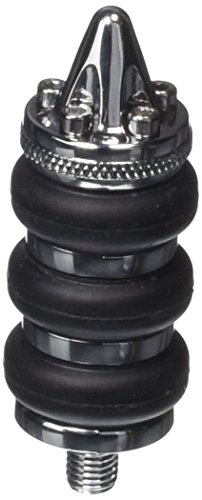
Avon SP-AIR-90-ANO Air Cushioned Shift Peg Black Anodized Harley Davidson


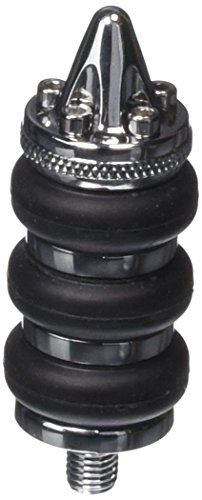
Avon SP-CC-86-AN-EX Custom Contour Excalibur Shifter Peg Anodized Aluminum


 Representative Photo, actual item may vary
Eastern Motorcycle Parts A-11019 Clutch Lever Stud & Detent Plate Retaining Ring

 Representative Photo, actual item may vary

 Representative Photo, actual item may vary

 Representative Photo, actual item may vary
 Representative Photo, actual item may vary
 Representative Photo, actual item may vary

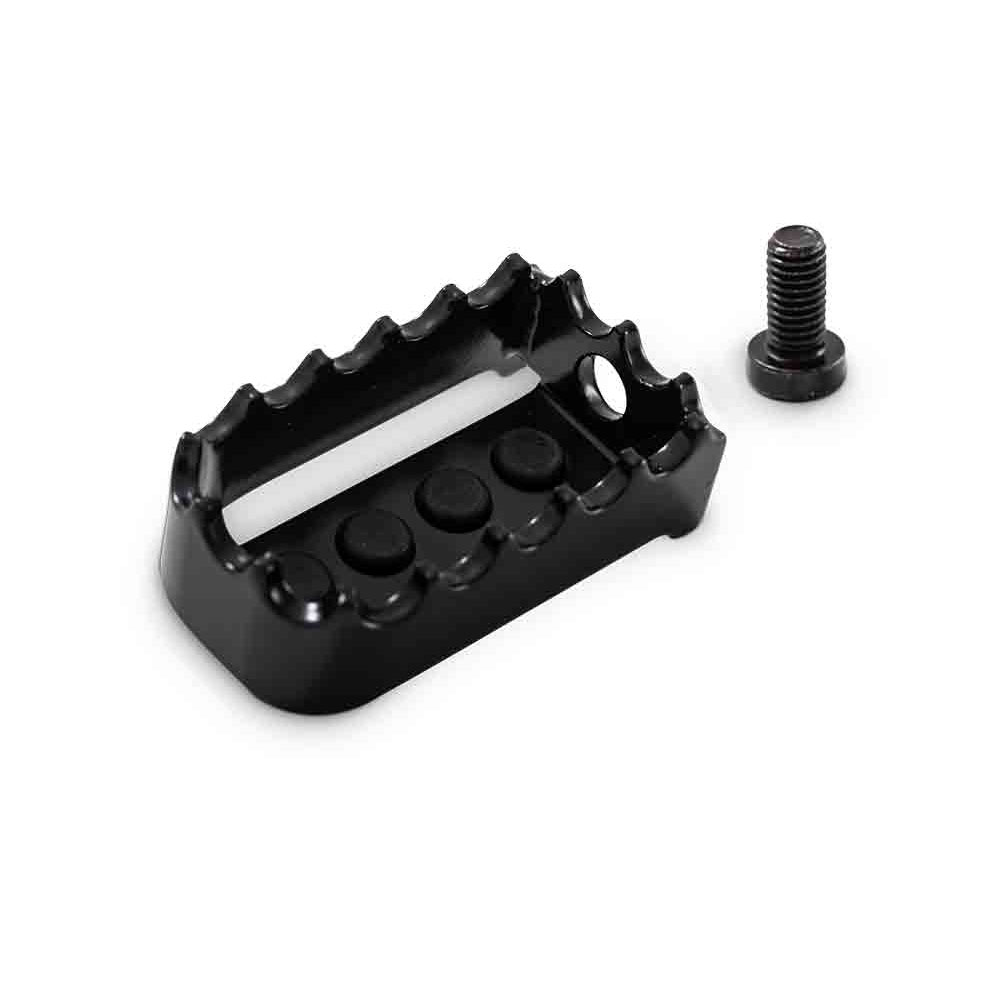 Representative Photo, actual item may vary
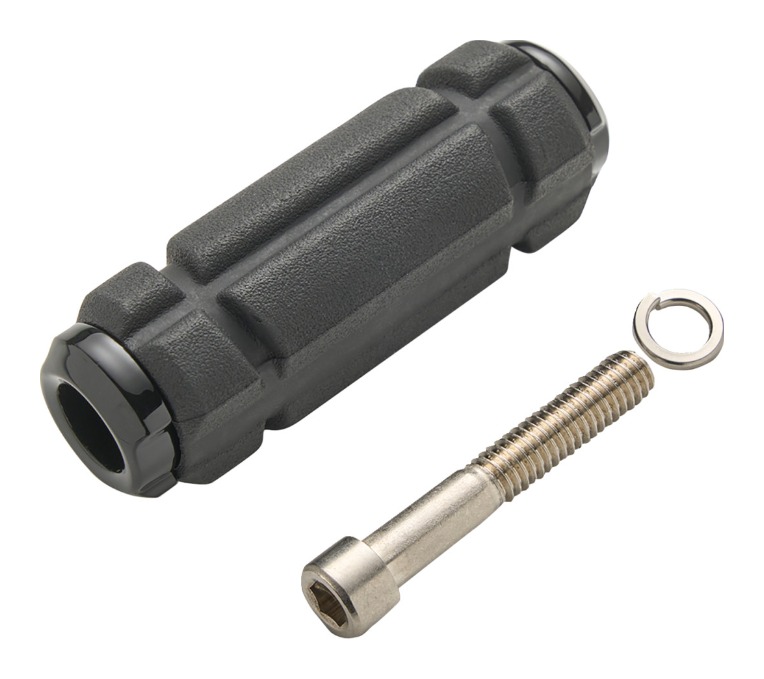 Representative Photo, actual item may vary

- 1
- 2
The Foundation of Every Build, Repair, and Restoration
Hardware, fasteners, and fittings may be the smallest items in any repair or build project, but they are arguably the most important. These components are the literal connection points that hold engines, body panels, marine structures, outdoor equipment, and countless other assemblies together. Hardware, fasteners, and fittings span an enormous range of product types — from everyday hex bolts and lock nuts to specialized hose clamps, panel clips, rivets, and fluid fittings — each engineered for a specific job and environment.
What Are Hardware, Fasteners, and Fittings?
At their core, fasteners are mechanical devices used to join two or more components together. Unlike welding or adhesives, fasteners offer a critical advantage: they allow parts to be assembled and taken apart without causing damage, making them indispensable wherever maintenance, repair, or future modifications are expected. The category encompasses a wide world of product types:
- Bolts & Screws — The workhorses of any fastener collection. Bolts are paired with nuts to create strong clamping force through a hole, while screws thread directly into a material. Grade ratings matter here: higher-grade fasteners are engineered for high-stress applications like suspension systems, engine mounts, and steering components.
- Nuts & Washers — Nuts act as the essential counterpart to bolts in a structural joint. Washers distribute clamping load over a wider surface area, protecting base materials from damage. In high-vibration environments, locking nuts and locking washers are critical to keeping joints tight over time.
- Clips, Retainers & Rivets — Body panel clips, push-pin retainers, and rivets secure everything from interior trim and dashboards to inner fenders and brackets. Rivets are permanent fasteners ideal for vibration-heavy areas, while plastic clips and retainers allow easy removal for service access.
- Hose Clamps & Fittings — Used in automotive engines, marine plumbing, and outdoor power equipment to prevent leaks in high-pressure environments, hose clamps provide a reliable, inspectable seal that can be adjusted as needed.
- Specialty & Structural Hardware — Eye bolts, U-bolts, carriage bolts, snap rings, cotter pins, and other specialty hardware round out the category for unique structural, rigging, and alignment applications.
Why Material Choice Matters
Selecting the right material is just as important as selecting the right fastener type. Corrosion is one of the leading causes of fastener failure, especially in outdoor, marine, and under-hood environments. Stainless steel — particularly Grade 316 — offers superior resistance to moisture, salt, and chemicals, making it the go-to choice for marine and exterior applications. Carbon steel is the most cost-effective option for general applications where coatings like zinc plating or galvanizing can provide adequate corrosion protection. Aluminum fasteners are lightweight and naturally corrosion-resistant, while brass hardware is well-suited for electrical fittings, low-load interior connections, and decorative applications.
Shopping Tips: Getting the Right Fastener for the Job
A few key considerations will save time and prevent failures:
- Match the grade to the application. Never substitute a lower-grade fastener in a critical application — the consequences of fastener failure in safety systems can be severe.
- Consider the environment. Parts exposed to road spray, salt water, or extreme heat demand corrosion-resistant materials and finishes.
- Mind galvanic compatibility. Mixing incompatible metals can accelerate corrosion at the joint. When in doubt, use isolating washers or sealants.
- Torque to spec. Every critical fastener has a manufacturer-specified torque value. Improper torque — either too tight or too loose — is a leading cause of repeated mechanical failures.
- Replace hardware during repairs. When disassembling a system, replacing fasteners with fresh hardware is inexpensive insurance against leaks and failures down the road.
Whether you're rebuilding a vehicle, maintaining a boat, servicing outdoor power equipment, or tackling a fabrication project, the right hardware makes all the difference. Browse the subcategories below to find exactly what your project demands.