


Mueller-Kueps EQ-290300-KIT HD Air Hammer Kit with Flat Chisel and 20mm Pin Driver








DeVilbiss 130510 Replacement Lid Gasket for CAMAIR CT30 CT30-P Air Filter Systems


Chicago Pneumatic 8941071200 Needle Scaler/Chipping Hammer 4800 BPM Air Tool




 Representative Photo, actual item may vary




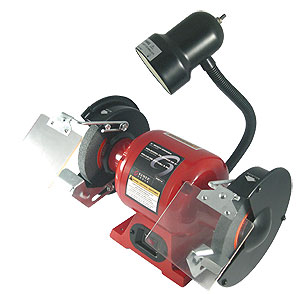 Representative Photo, actual item may vary


Ingersoll Rand 2135M-BOOT Protective Tool Boot for 2135 Series Impact Wrenches


Lock Technology LT1400C 100 Ft-Lbs Torque Extension for 1/2" Drive Impact Wrench


 Representative Photo, actual item may vary
 Representative Photo, actual item may vary
ARB 2113K Air Compressor Mounting Kit for 2003-2024 Toyota 4Runner
 Representative Photo, actual item may vary
The Right Tool for Every Job
Whether you're pulling an engine, chasing a stripped bolt, or detailing a finish, having the right tool in hand is what separates a clean, efficient job from a frustrating one. The Power, Air, and Hand Tools category brings together every instrument a mechanic, technician, or serious DIYer needs — from the heaviest pneumatic impact wrenches to the most precise hand-turned ratchets.
Three Tool Families, One Complete Workshop
Power, Air, and Hand Tools can be broadly divided into three complementary groups, each with its own strengths depending on the task at hand.
- Air (Pneumatic) Tools: Powered by compressed air, pneumatic tools are known for their impressive power-to-weight ratio and ability to deliver consistent, high torque output. Because the power source — the compressor — is separate from the tool itself, air tools are more compact and easier to handle during extended use, significantly reducing user fatigue. Common examples include impact wrenches, air ratchets, die grinders, air hammers, DA sanders, and blow guns. With fewer internal components and no risk of electrical burnout, air tools often last much longer under tough working conditions.
- Power Tools (Corded & Cordless): Electric power tools have evolved dramatically alongside advances in lithium-ion battery technology, brushless motors, and high-output battery platforms — creating tools that can rival their air-driven counterparts in many scenarios. Power tools apply high torque quickly, reducing fatigue and saving time compared to manual tools. Cordless drills, reciprocating saws, angle grinders, and orbital sanders all fall into this family, offering portability and convenience where air lines can't reach.
- Hand Tools: No toolbox is complete without a solid foundation of hand tools. Hand tools are often used for more detailed work, such as adjusting nuts, where the control offered by hand tools is far superior to that of power tools. Socket sets, combination wrenches, screwdrivers, pliers, torque wrenches, and pry bars remain essential for precision work, final tightening, and getting into tight spaces where power tools simply won't fit.
Why the Right Tool Mix Matters
The comparison between hand tools and power tools is not about which is better, but about when each is most appropriate. In a professional automotive setting, power tools handle structural and high-volume operations, while hand tools refine and perfect the final outcome — a balanced approach that maximizes efficiency without compromising quality.
Air tools remain a cornerstone of the professional shop. Impact wrenches and air ratchets speed up removing and installing nuts and bolts, while air drills and die grinders allow for precise work on metal parts. Meanwhile, air ratchets are indispensable in automotive workshops because they can swiftly and efficiently manage fastening tasks, especially in tight spaces where manual wrenches struggle. Air hammers are equally valuable: used for cutting, shaping, and breaking hard materials, they are particularly useful in automotive repair for tasks like cutting through metal and removing stuck or rusted components.
Accessories: The Unsung Heroes
Tool accessories are what unlock the full potential of your equipment. Bits, sockets, extensions, adapters, drill chucks, grinding wheels, wire brushes, and replacement blades transform a single tool into a multi-tasking workhorse. Quality accessories matched to quality tools ensure consistent performance and longer service life — skimping here is a false economy.
Shopping Considerations
When building out your tool collection, consider the demands of the jobs you tackle most often. Air tools require a compressor rated for sufficient pressure and airflow — most pneumatic hand tools are engineered to operate at 90 to 100 psi with adequate CFM airflow, and under-supplying air is a common cause of poor performance. For cordless power tools, platform compatibility matters: investing in a single battery ecosystem allows you to share batteries and chargers across an entire lineup. And for hand tools, look for chrome vanadium or chrome molybdenum steel construction, proper heat treatment, and a robust warranty — the marks of tools built to last a lifetime.