


 HVAC Replacement Motors
869
 General Purpose Electric Motors
628
 Transformers
538
 Contactors
510
 Motor & Electrical Parts & Accessories
499
 Three Phase Motors
427
 Sheaves & Pulleys
372
 Wiring Harnesses & Plugs
314
 Relays & Fan Sequencers
308
 Fan & Blower Motors
296
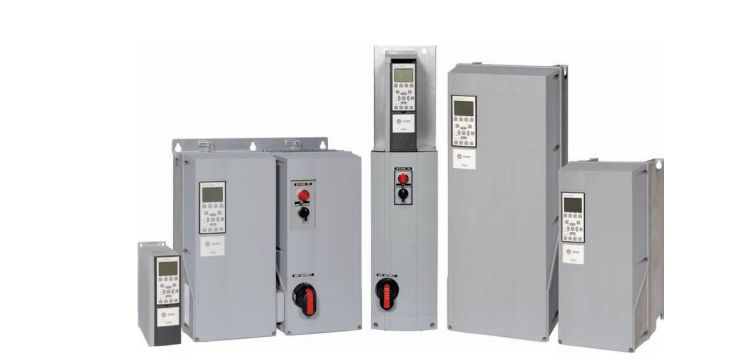
 Variable Frequency Drives & Motor Starters
276
 Bearings, Bushings & Motor Mounts
257
 Single Phase Motors
242
 Blower Assemblies & Housings
223
 Fuses, Circuit Breakers & Disconnects
145
 Run & Start Capacitors
95
 Condenser Fan Motors
89
 Blower Wheels
82
 Fan Blades
76
 ECM & Variable Speed Blower Motors
67
 V-Belts
64
 Overload Relays & Motor Protection
60
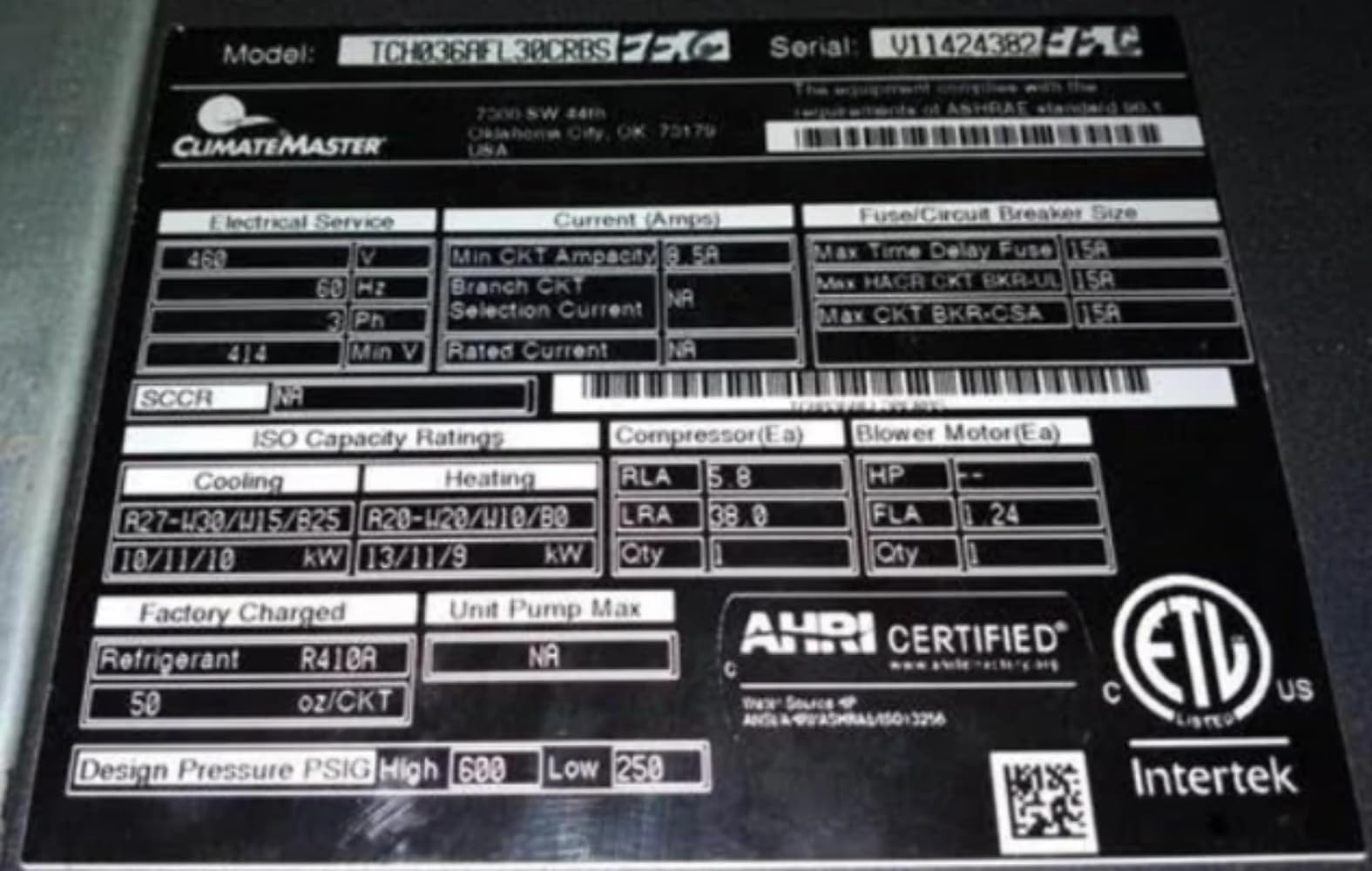 Representative Photo, actual item may vary

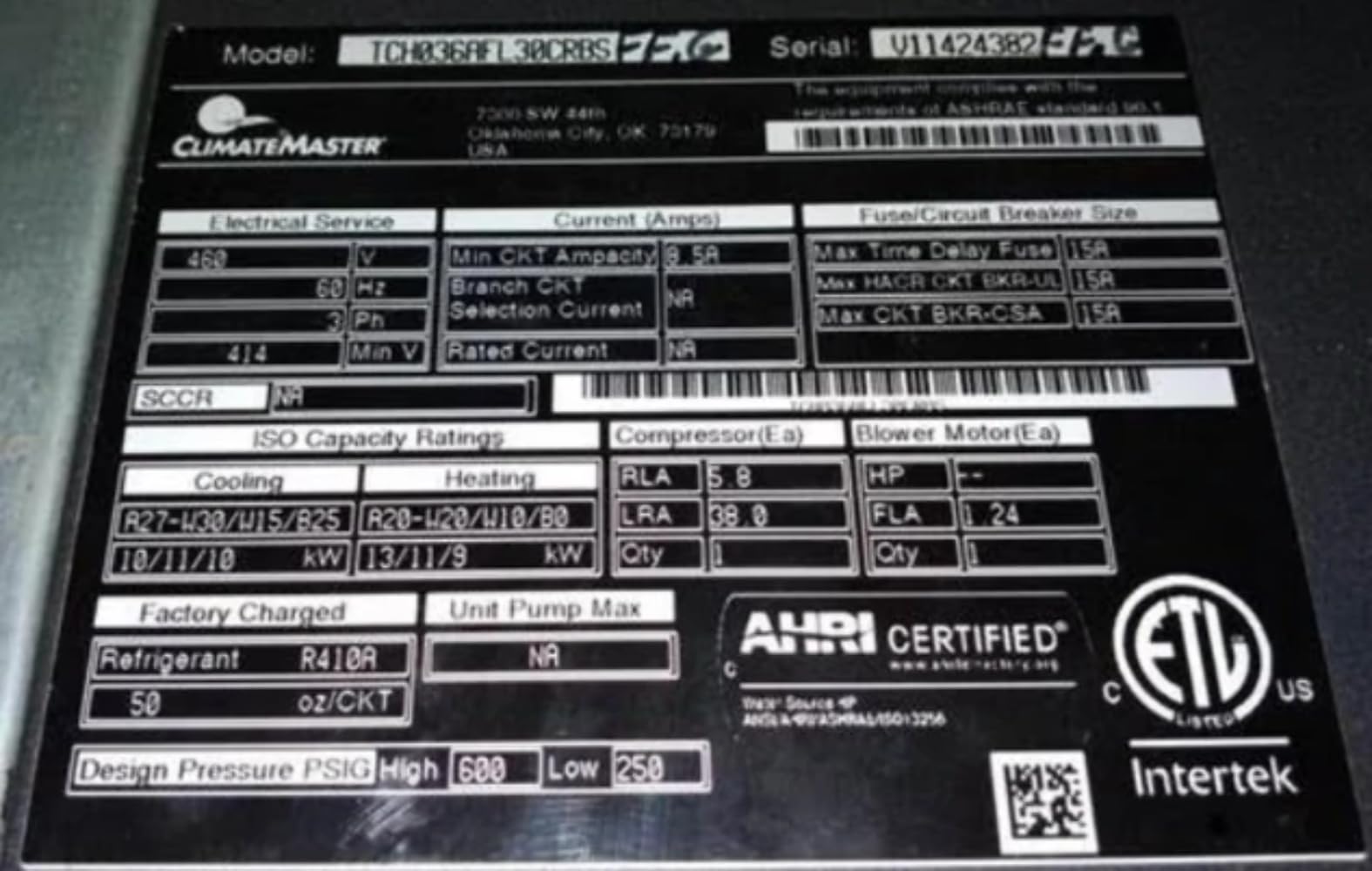 Representative Photo, actual item may vary
ClimateMaster S14S0044N21 ECM Motor Assembly for TSL12 Vertical Stack Heat Pump
 Representative Photo, actual item may vary


 Representative Photo, actual item may vary
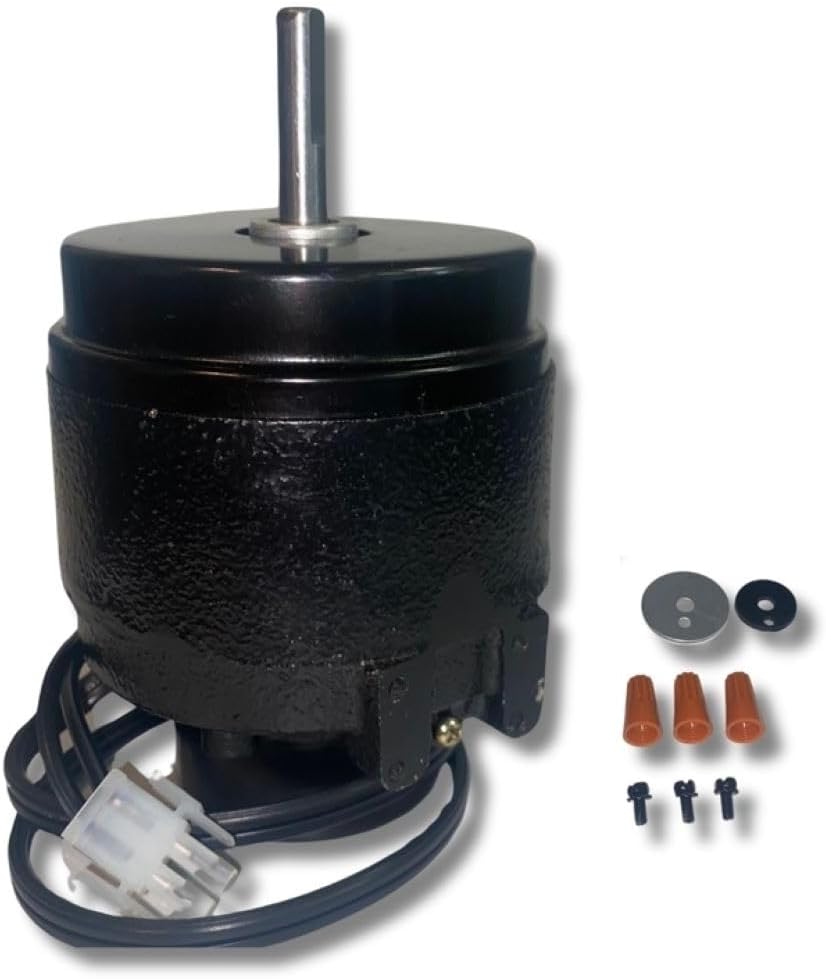 Representative Photo, actual item may vary
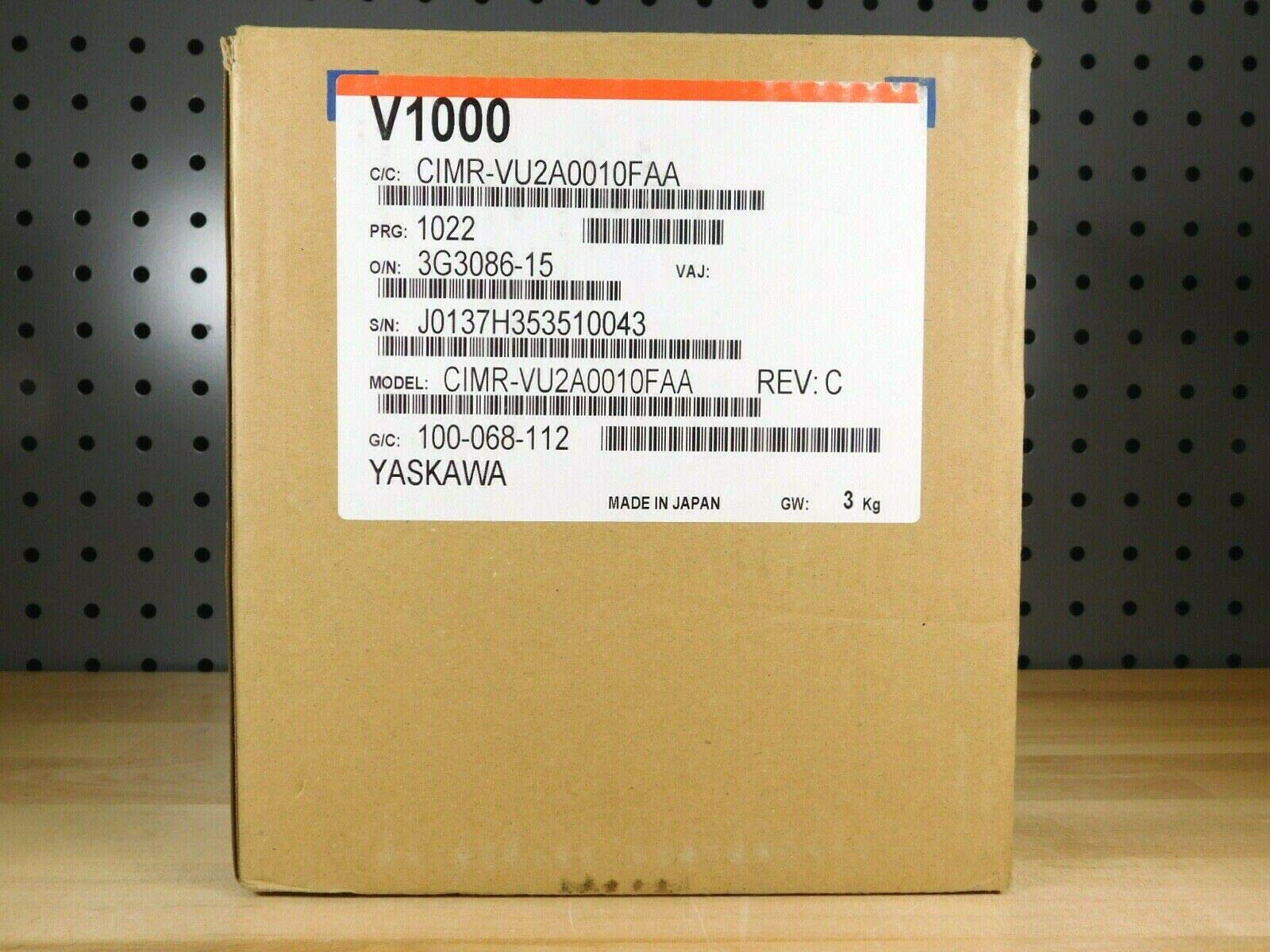 Representative Photo, actual item may vary
 Representative Photo, actual item may vary


 Representative Photo, actual item may vary
WEG Electric 00736ET3EAL132SW22 10HP 3-Phase Electric Motor 3550 RPM 132S Frame
 Representative Photo, actual item may vary

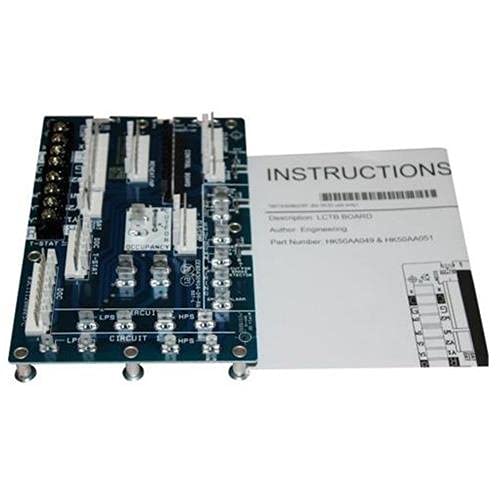 Representative Photo, actual item may vary

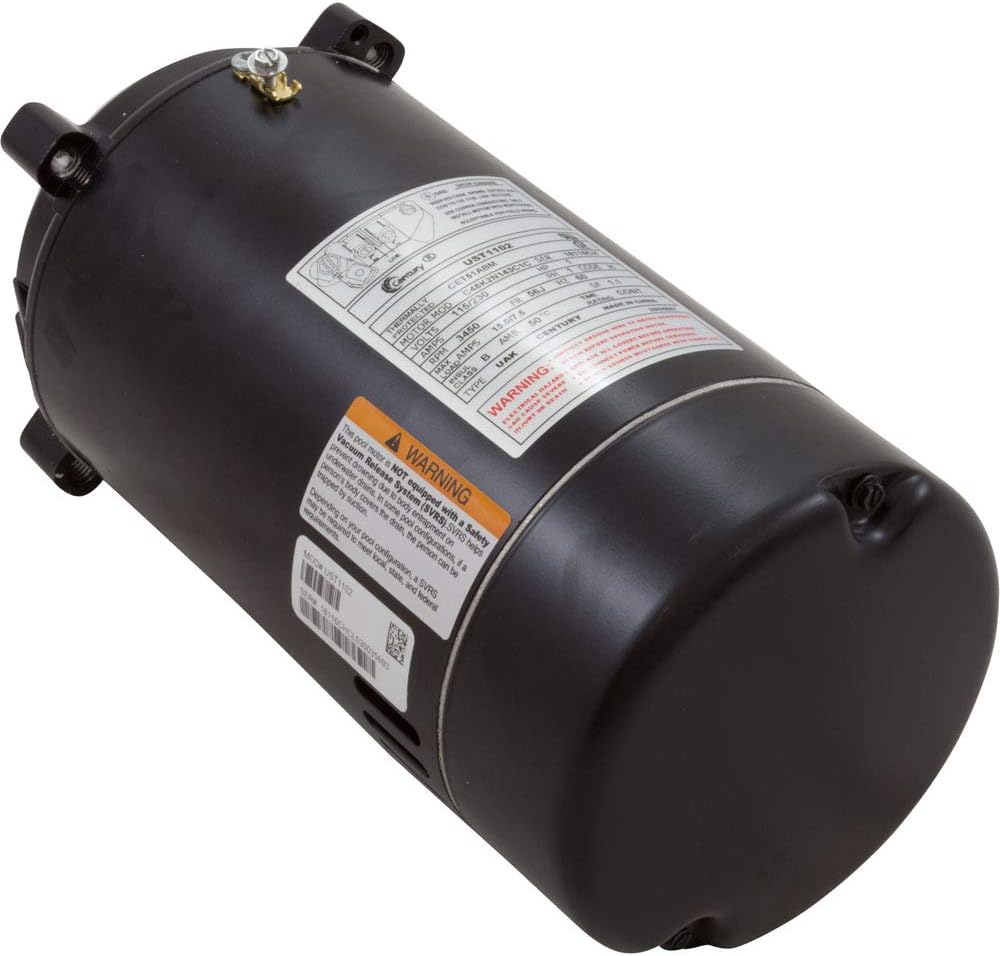 Representative Photo, actual item may vary
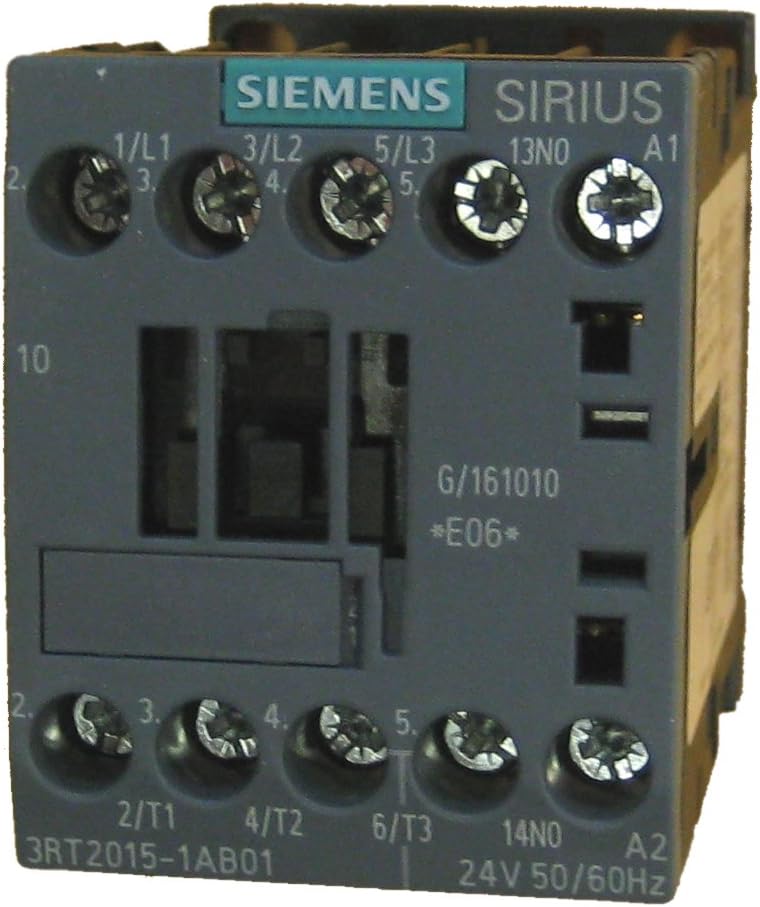 Representative Photo, actual item may vary
Siemens Industrial Controls 3RT2036-1NB34 3-Pole Contactor 20-33V DC 2NO/2NC
 Representative Photo, actual item may vary
Duff Norton MPD6405-12 Electromechanical Linear Actuator 12VDC 500 lb 12 Inch Stroke


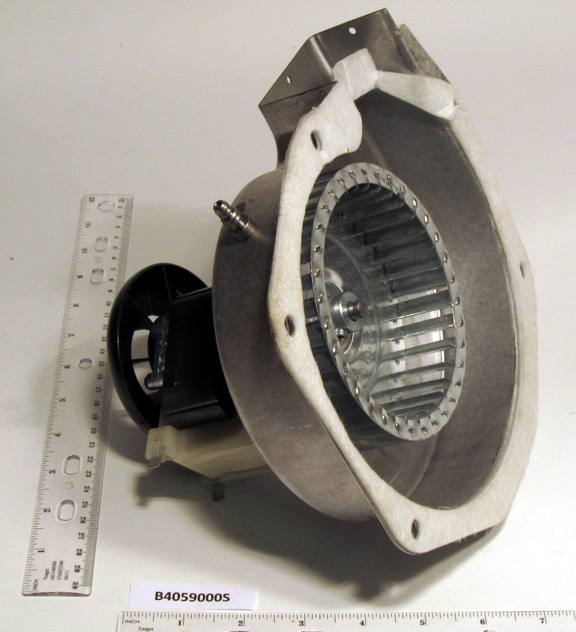 Representative Photo, actual item may vary


 Representative Photo, actual item may vary
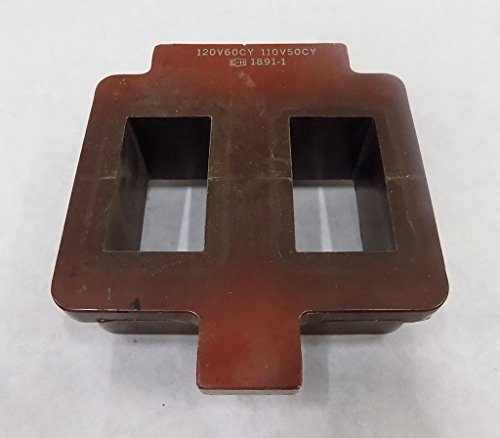 Representative Photo, actual item may vary
 Representative Photo, actual item may vary
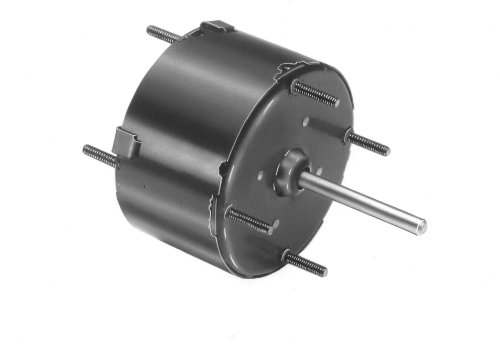
Daikin-McQuay 910211402 1.5 HP Electric Motor 208-230/460V 3-Phase 56H Frame

 Representative Photo, actual item may vary
 Representative Photo, actual item may vary
 Representative Photo, actual item may vary

 Representative Photo, actual item may vary
 Representative Photo, actual item may vary
 Representative Photo, actual item may vary
 Representative Photo, actual item may vary
 Representative Photo, actual item may vary

 Representative Photo, actual item may vary

International Environmental 90000456 Blower Housing Assembly with Wheel for M*Y03 Units

 Representative Photo, actual item may vary
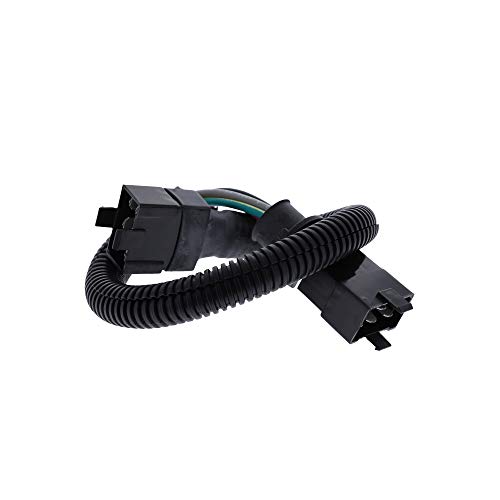
Briggs & Stratton 1737446YP Wiring Harness for Small Engine Powered Equipment

 Representative Photo, actual item may vary
 Representative Photo, actual item may vary
 Representative Photo, actual item may vary

Baldor Electric Company EM2514T 20 HP Three Phase Electric Motor 208-230/460V

 Representative Photo, actual item may vary
Baldor Electric Company EHM2535T 30 HP 230/460V 3-Phase 1175 RPM Electric Motor
 Representative Photo, actual item may vary
 Representative Photo, actual item may vary


 Representative Photo, actual item may vary

Regal Rexnord Marathon G915A 3/4 HP Single Phase AC Motor 3450 RPM 115/230V 56 Frame ODP

 Representative Photo, actual item may vary
 Representative Photo, actual item may vary
 Representative Photo, actual item may vary

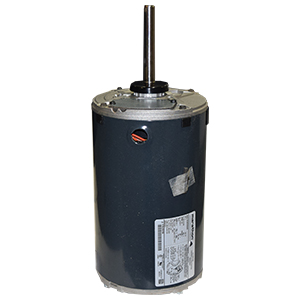
EST Aegis SGR-0.875-UKIT Shaft Grounding Ring Universal Mounting Kit 7/8" Solid Ring
 Representative Photo, actual item may vary
 Representative Photo, actual item may vary
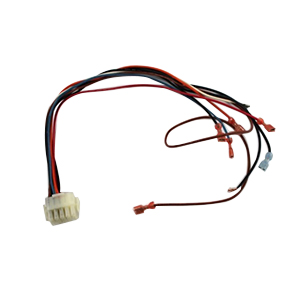
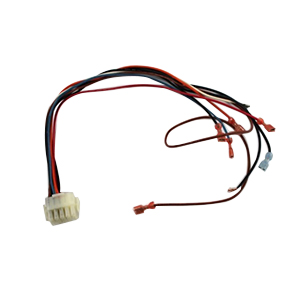
Amana-Goodman 0131L00294S Programmed ECM Blower Motor HVAC Replacement Motors
 Representative Photo, actual item may vary
 Representative Photo, actual item may vary

Rheem-Ruud 46-101944-02K 120V to 24V 40VA Transformer with Quick Connects


 Representative Photo, actual item may vary
 Representative Photo, actual item may vary
 Representative Photo, actual item may vary
 Representative Photo, actual item may vary
Russell Coil 114105000 Inverter Duty Motor 1.0 HP 850 RPM 230/460V 3-Phase
What Are Motors, Blowers & Electrical Parts?
Every modern vehicle relies on a sophisticated network of electric motors, blower assemblies, and supporting electrical components to keep drivers and passengers comfortable, safe, and in control. The Motors, Blowers & Electrical Parts category covers the full range of these systems — from the fan motor that circulates conditioned air through your cabin, to the resistors, relays, and wiring components that keep everything running at the right speed and voltage.
The Role of Blower Motors in Your Vehicle
Blower motors sit at the heart of a vehicle's climate control system. The blower motor is the electric device that pushes heated or cooled air into the cabin, forming the core of the HVAC system that regulates interior temperature year-round. When switched on, the blower ensures a constant supply of conditioned air via the vents on the dashboard, pulling air across the heater core or evaporator and directing it to where it's needed most.
Most passenger vehicles use a single blower motor assembly mounted under the dashboard on the passenger side, though larger vehicles like SUVs and vans may use two — one for the front cabin and one for the rear. The assembly itself consists of a DC electric motor, a fan wheel (sometimes called a squirrel cage), and the associated electrical connections that link it to the vehicle's power system and climate controls.
Brushed vs. Brushless Blower Motors
Blower motors come in two main variants: brushed and brushless DC motors. Older vehicles typically rely on brushed motors, which use physical carbon contacts to deliver power to the rotating armature. Newer vehicle models increasingly use brushless DC motors, which offer infinite speed control, lower maintenance requirements, and greater energy efficiency — all without the need for a traditional resistor module to manage fan speeds.
Supporting Electrical Components
The blower motor doesn't work alone. The blower motor wiring system includes several components such as fuses, resistor modules, and, at times, a relay — all of which work in concert to regulate motor speed and protect the circuit. The blower motor resistor, typically located behind the glovebox in the dashboard, is responsible for controlling fan speed across the different settings on your climate control panel. When it fails, you may notice the fan only working on certain speed settings, or inconsistent heating and cooling performance.
Relays, wiring harnesses, and control modules round out the electrical ecosystem, ensuring that signals from your dashboard switches are faithfully translated into the right motor behavior. In modern vehicles, this is managed electronically, with sensors and control modules automating much of the process for precise, efficient climate management.
When to Replace Motors & Blower Components
Blower motors and their supporting parts are exposed to heat, vibration, and debris over thousands of operating hours. Common failure modes include worn motor brushes, clogged or seized fan blades, blown fuses, and burned-out resistors. Signs that it may be time to inspect or replace these components include weak or absent airflow from vents, the fan only operating on one or two speed settings, unusual noise from the dashboard area, or a complete lack of climate control function.
Whether you're restoring cabin comfort on a daily driver, maintaining a fleet vehicle, or performing a full HVAC system overhaul, this category has the motors, blowers, and electrical parts to get the job done right.