


 HVAC Replacement Motors
878
 General Purpose Electric Motors
628
 Transformers
545
 Contactors
516
 Motor & Electrical Parts & Accessories
508
 Three Phase Motors
431
 Sheaves & Pulleys
381
 Wiring Harnesses & Plugs
320
 Relays & Fan Sequencers
312
 Fan & Blower Motors
296
 Variable Frequency Drives & Motor Starters
279
 Bearings, Bushings & Motor Mounts
259
 Single Phase Motors
242
 Blower Assemblies & Housings
224
 Fuses, Circuit Breakers & Disconnects
144
 Run & Start Capacitors
96
 Condenser Fan Motors
92
 Blower Wheels
82
 Fan Blades
73
 ECM & Variable Speed Blower Motors
70
 V-Belts
64
 Overload Relays & Motor Protection
62


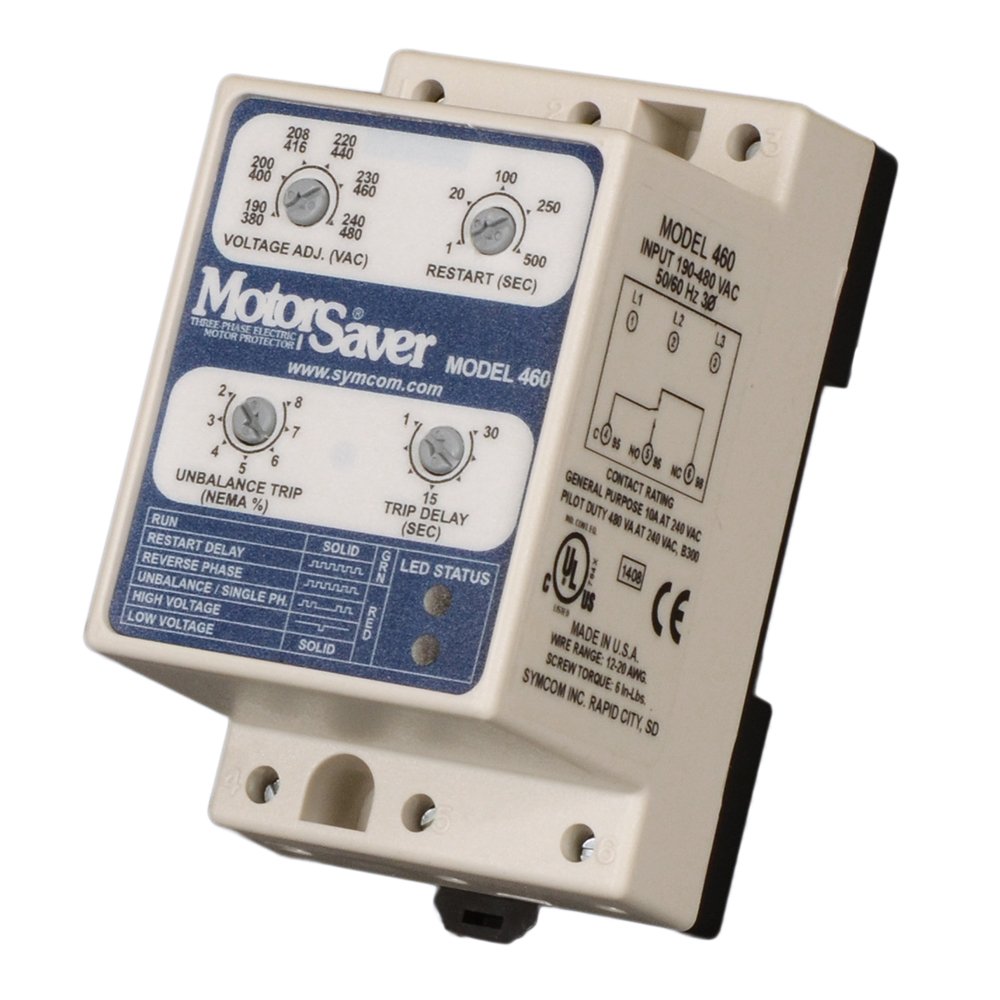 Representative Photo, actual item may vary

 Representative Photo, actual item may vary

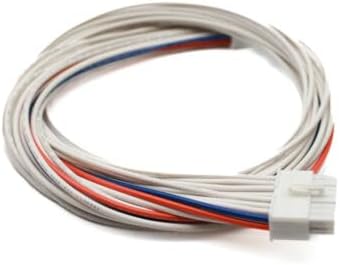 Representative Photo, actual item may vary

 Representative Photo, actual item may vary
Armstrong Air R100060-24 Condenser Fan Blade 18" 4-Blade 26° Pitch 1/2" Bore CCW

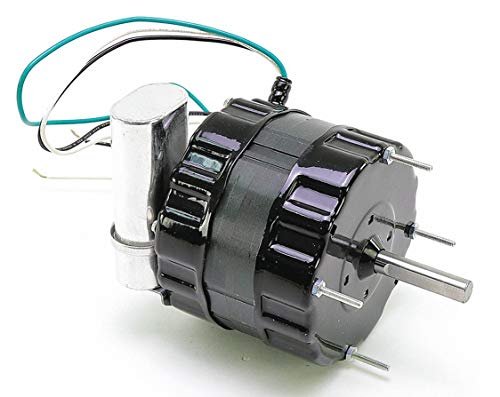
Regal Rexnord - Century Motors RF4401 Refrigeration Motor 1/10 HP 1550 RPM 115/208-230V
 Representative Photo, actual item may vary


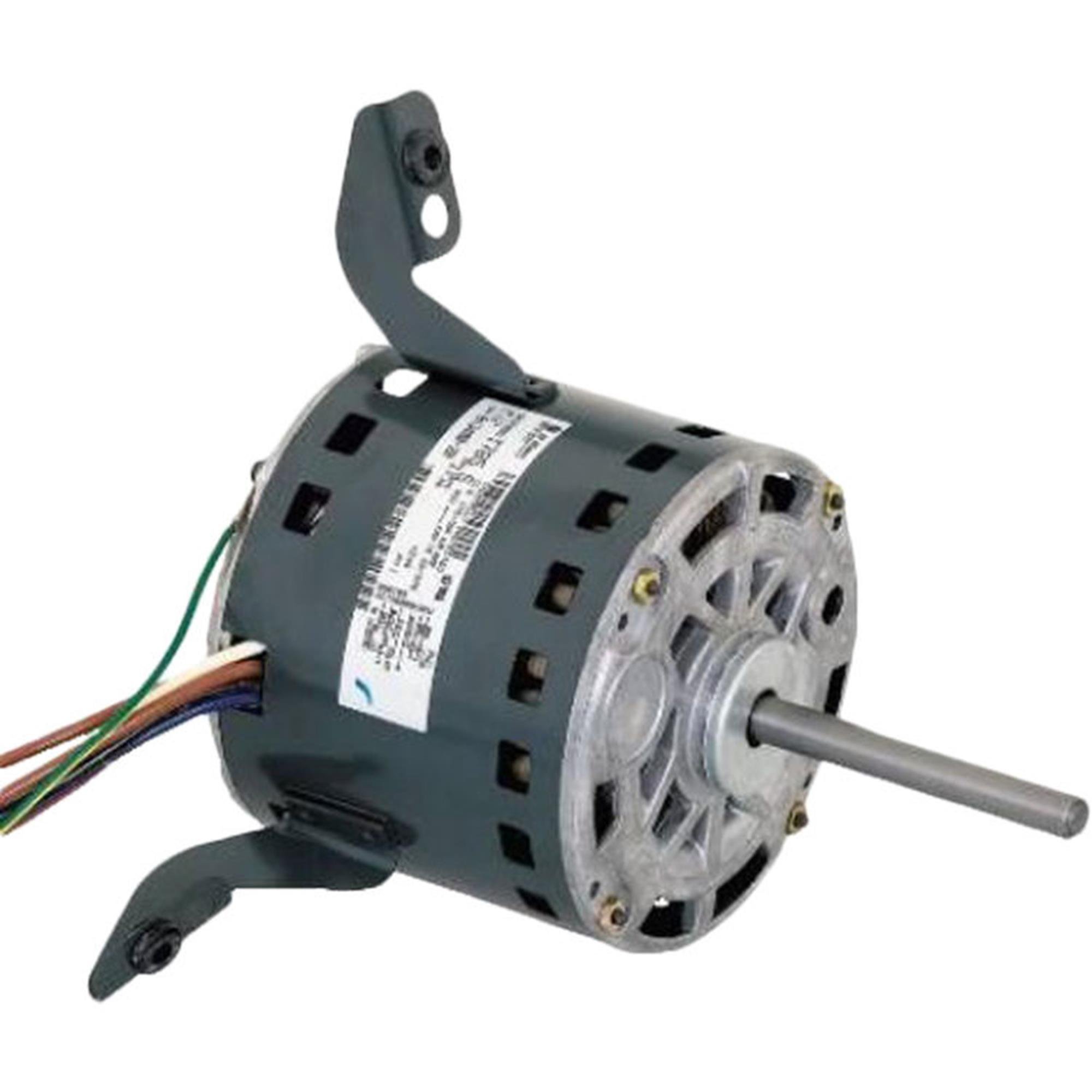 Representative Photo, actual item may vary
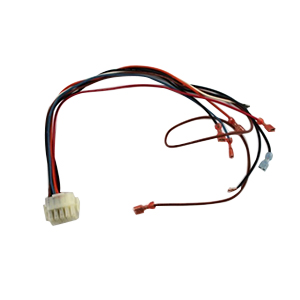 Representative Photo, actual item may vary


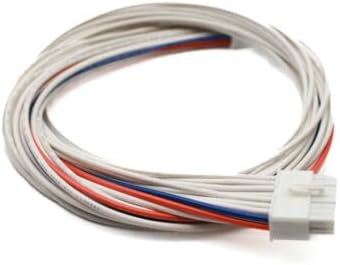 Representative Photo, actual item may vary

Mitsubishi Electric Automotive T7WM12315 Outdoor Control Board for HVAC Systems


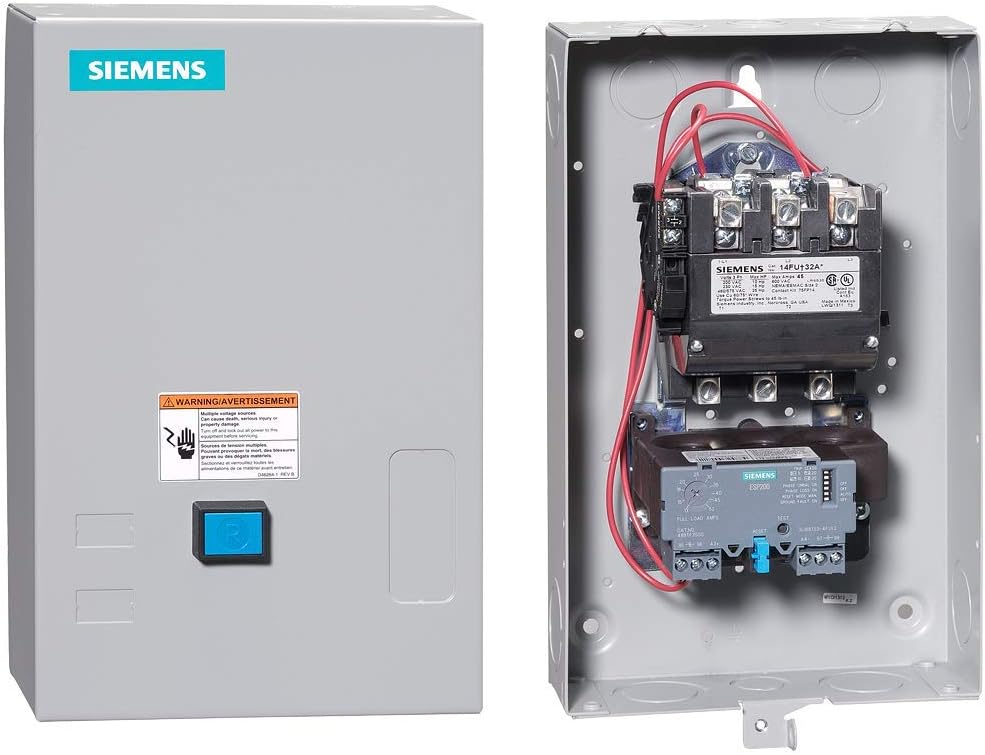 Representative Photo, actual item may vary


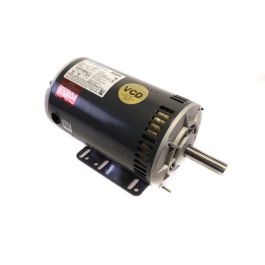
Baldor Electric Company 35E2694M408G1 3/4 HP Three-Phase AC Motor 460V 1165 RPM
 Representative Photo, actual item may vary

 Representative Photo, actual item may vary


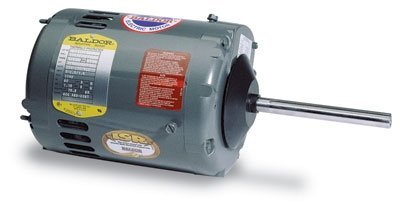 Representative Photo, actual item may vary
 Representative Photo, actual item may vary


 Representative Photo, actual item may vary


 Representative Photo, actual item may vary

 Representative Photo, actual item may vary
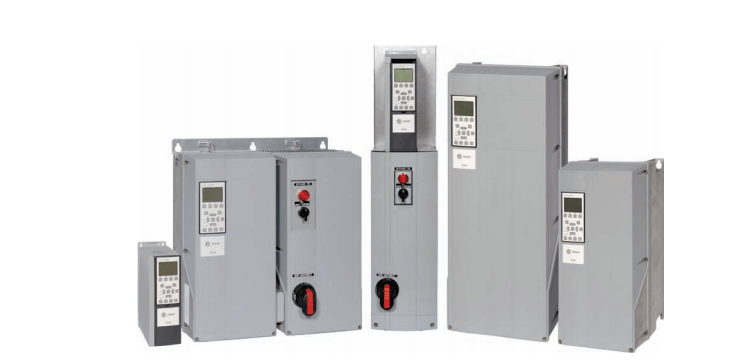
Danfoss 131F0669 10HP 460V Variable Frequency Drive with Graphic Display NEMA 1

 Representative Photo, actual item may vary
 Representative Photo, actual item may vary

 Representative Photo, actual item may vary
 Representative Photo, actual item may vary
 Representative Photo, actual item may vary


 Representative Photo, actual item may vary

 Representative Photo, actual item may vary
 Representative Photo, actual item may vary
 Representative Photo, actual item may vary
 Representative Photo, actual item may vary
 Representative Photo, actual item may vary


 Representative Photo, actual item may vary
 Representative Photo, actual item may vary

 Representative Photo, actual item may vary



 Representative Photo, actual item may vary
 Representative Photo, actual item may vary
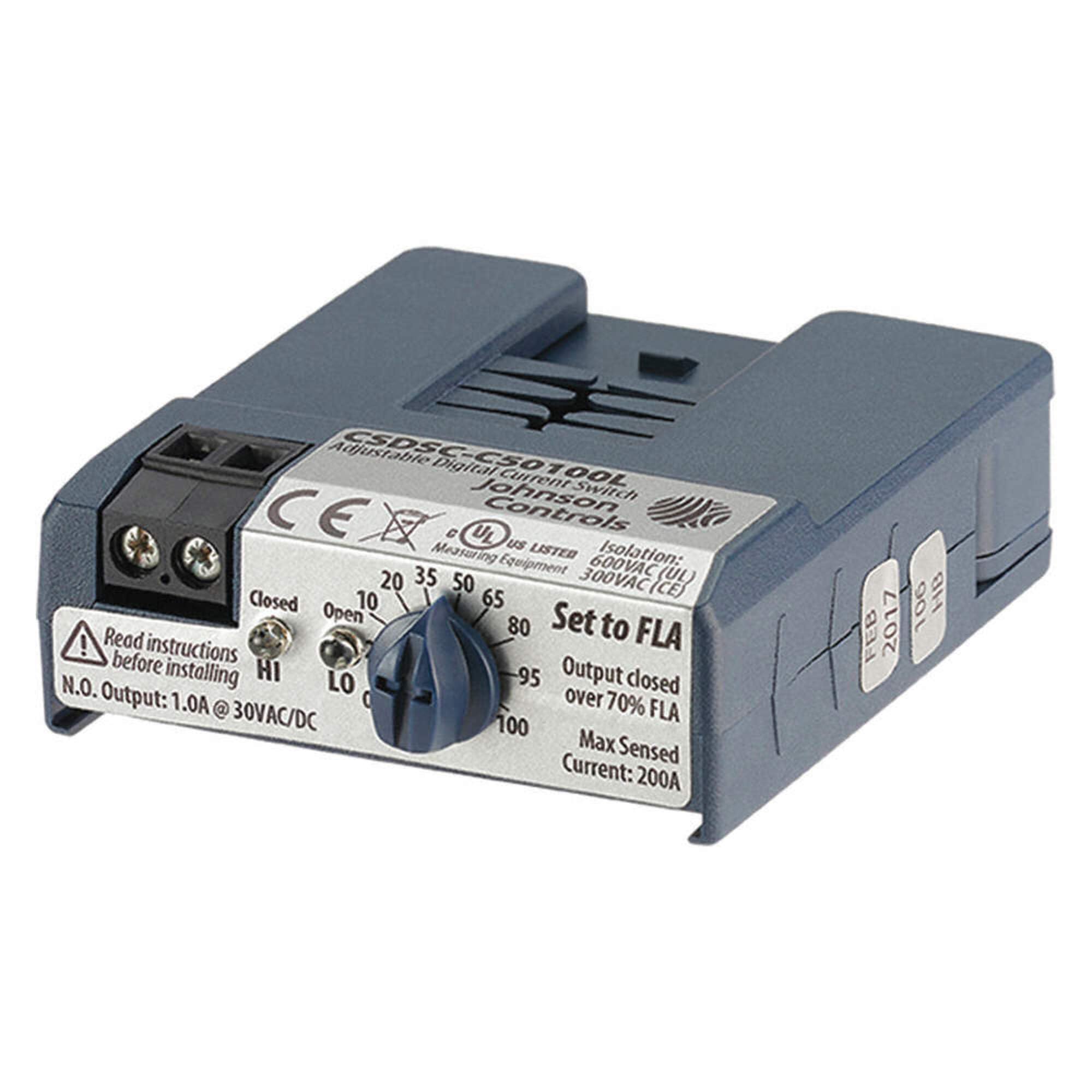 Representative Photo, actual item may vary
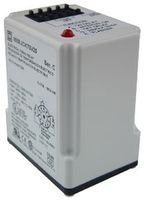
Johnson Controls CSDSC-S75050L Current Sensing Relay Self-Powered SPST-NO 1.00A 30V

 Representative Photo, actual item may vary
Loren Cook 117623 Heavy Duty Pillow Block Bearing Replacement Part
 Representative Photo, actual item may vary


What Are Motors, Blowers & Electrical Parts?
Every modern vehicle relies on a sophisticated network of electric motors, blower assemblies, and supporting electrical components to keep drivers and passengers comfortable, safe, and in control. The Motors, Blowers & Electrical Parts category covers the full range of these systems — from the fan motor that circulates conditioned air through your cabin, to the resistors, relays, and wiring components that keep everything running at the right speed and voltage.
The Role of Blower Motors in Your Vehicle
Blower motors sit at the heart of a vehicle's climate control system. The blower motor is the electric device that pushes heated or cooled air into the cabin, forming the core of the HVAC system that regulates interior temperature year-round. When switched on, the blower ensures a constant supply of conditioned air via the vents on the dashboard, pulling air across the heater core or evaporator and directing it to where it's needed most.
Most passenger vehicles use a single blower motor assembly mounted under the dashboard on the passenger side, though larger vehicles like SUVs and vans may use two — one for the front cabin and one for the rear. The assembly itself consists of a DC electric motor, a fan wheel (sometimes called a squirrel cage), and the associated electrical connections that link it to the vehicle's power system and climate controls.
Brushed vs. Brushless Blower Motors
Blower motors come in two main variants: brushed and brushless DC motors. Older vehicles typically rely on brushed motors, which use physical carbon contacts to deliver power to the rotating armature. Newer vehicle models increasingly use brushless DC motors, which offer infinite speed control, lower maintenance requirements, and greater energy efficiency — all without the need for a traditional resistor module to manage fan speeds.
Supporting Electrical Components
The blower motor doesn't work alone. The blower motor wiring system includes several components such as fuses, resistor modules, and, at times, a relay — all of which work in concert to regulate motor speed and protect the circuit. The blower motor resistor, typically located behind the glovebox in the dashboard, is responsible for controlling fan speed across the different settings on your climate control panel. When it fails, you may notice the fan only working on certain speed settings, or inconsistent heating and cooling performance.
Relays, wiring harnesses, and control modules round out the electrical ecosystem, ensuring that signals from your dashboard switches are faithfully translated into the right motor behavior. In modern vehicles, this is managed electronically, with sensors and control modules automating much of the process for precise, efficient climate management.
When to Replace Motors & Blower Components
Blower motors and their supporting parts are exposed to heat, vibration, and debris over thousands of operating hours. Common failure modes include worn motor brushes, clogged or seized fan blades, blown fuses, and burned-out resistors. Signs that it may be time to inspect or replace these components include weak or absent airflow from vents, the fan only operating on one or two speed settings, unusual noise from the dashboard area, or a complete lack of climate control function.
Whether you're restoring cabin comfort on a daily driver, maintaining a fleet vehicle, or performing a full HVAC system overhaul, this category has the motors, blowers, and electrical parts to get the job done right.