


 HVAC Control Valves & Actuators
2,954
 Furnace & A/C Control Boards
1,024
 Damper Actuators & Accessories
849
 Globe & Control Valves
782
 Temperature & Pressure Controls
590
 HVAC Sensors & Probes
528
 Furnace & Boiler Pressure Switches
489
 Temperature Sensors & Thermistors
469
 Ball & Motorized Ball Valves
439
 Boiler Control Boards & Modules
330
 Furnace Limit & Safety Switches
262
 Programmable & Smart Thermostats
261
 Line Voltage Thermostats
227
 Valve Repair Kits & Valve Parts
219
 Non-Programmable & Mechanical Thermostats
207
 Thermostat & Control Parts & Accessories
202
 Pressure Sensors & Transducers
193
 Thermostat Accessories & Subbases
192
 Zone Dampers & Zone Control Panels
128
 Pneumatic Thermostats
113
 Humidity Sensors & Humidistats
91
 Representative Photo, actual item may vary

 Representative Photo, actual item may vary
Bosch 7738007284 Return Valve Assembly for FHP Water-Source & Geothermal Heat Pumps

 Representative Photo, actual item may vary

 Representative Photo, actual item may vary

 Representative Photo, actual item may vary

 Representative Photo, actual item may vary
Asco 8215G3-12VDC 3/4" Normally Closed Solenoid Valve 5-125 PSI Air Service

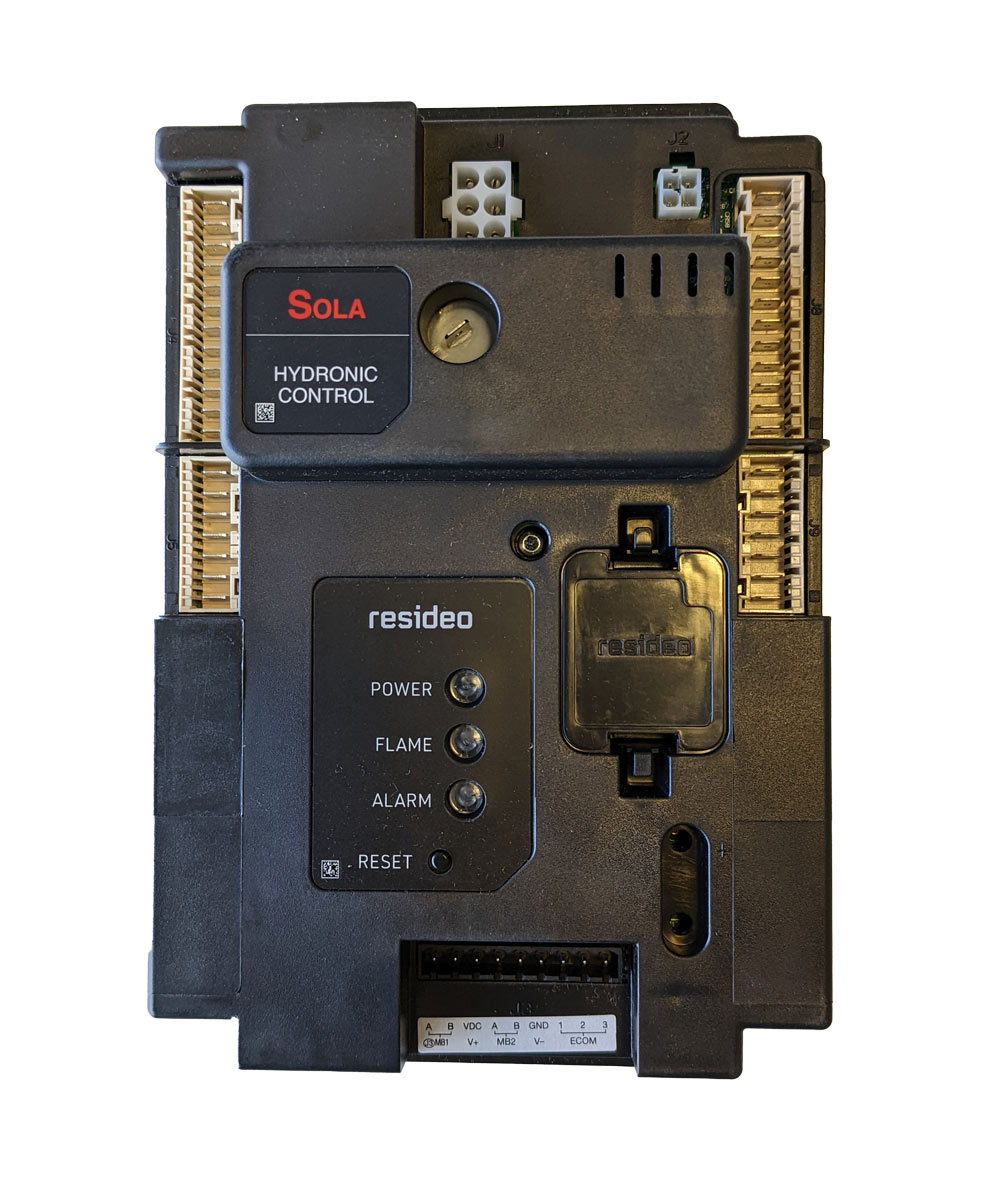 Representative Photo, actual item may vary
Bradford White 243-46249-00 Ignition Control Assembly OEM Replacement Part

 Representative Photo, actual item may vary
Bradford White 239-53458-00 OSP Sensor Assembly with Connector Water Heater Replacement Part
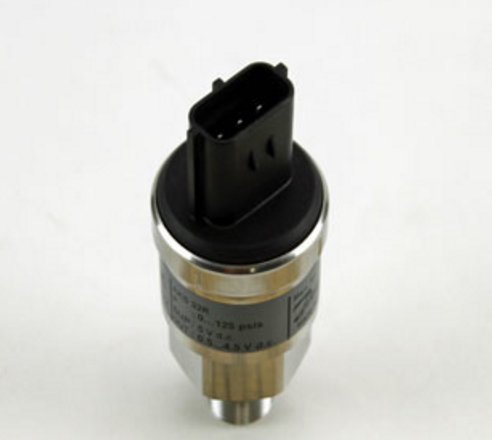 Representative Photo, actual item may vary

 Representative Photo, actual item may vary


Belimo G220B-J+LVB24-SR 3/4" 2-Way Globe Valve with Proportional Actuator 5.5 Cv 24V
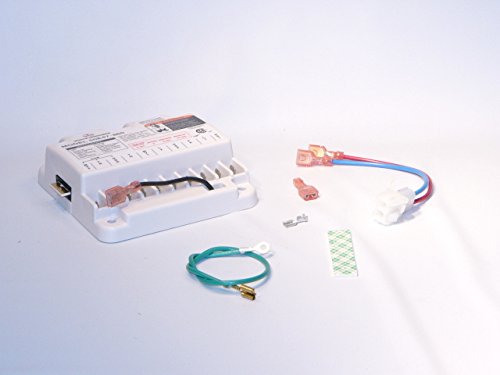 Representative Photo, actual item may vary
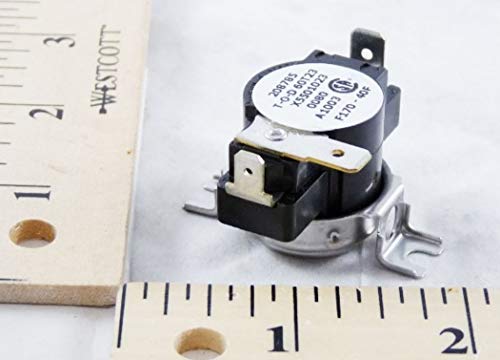 Representative Photo, actual item may vary

Siemens SQM41.241R11 Modulating Actuator Clockwise 90 in-lb 230V 10mm Keyed Shaft
 Representative Photo, actual item may vary
Belimo G250S-N+LVB24-SR 2" Globe Valve with LVB24-SR Actuator 24V Modulating
 Representative Photo, actual item may vary
Belimo G240S-N+LVB24-SR 1.5" Two-Way Globe Valve with Proportional Actuator

Belimo G225S-L+LVB24-SR 1" Two-Way Modulating Ball Valve with Actuator
 Representative Photo, actual item may vary
Belimo G225S-K+LVB24-SR Modulating Ball Valve with Actuator CV - 1 2-Way 10 24V

Belimo G225B-K+LVB24-SR 1" Two-Way Modulating Ball Valve with Actuator 24V
 Representative Photo, actual item may vary
Belimo G220B-K+LVB24-SR 3/4" 2-Way Ball Valve with Actuator 7.5 Cv 24V Proportional
 Representative Photo, actual item may vary
Belimo G215S-J+LVB24-SR 1/2" 2-Way Ball Valve with Actuator 4.4 Cv 24V Proportional Control
 Representative Photo, actual item may vary
Belimo G215B-J+LVB24-SR 1/2" 2-Way Globe Valve Assembly with Non-Spring Return Actuator
 Representative Photo, actual item may vary

 Representative Photo, actual item may vary
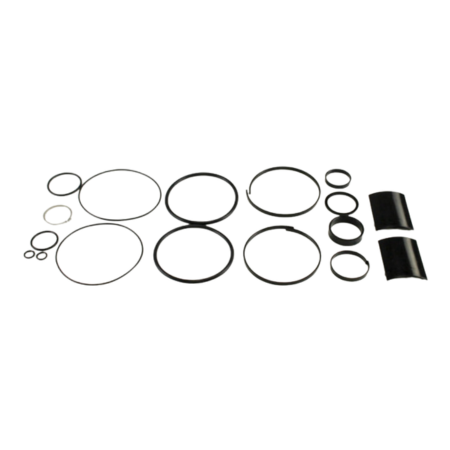 Representative Photo, actual item may vary
Bray VM0029N-MACH Mechanical Coupler for Series 92/93 1600 In-Lb Actuator to VRC Positioner

Schneider Electric EHD110-500 EH Series Duct Humidity and Temperature Sensor 2% Accuracy 10K Ohm T3 Thermistor

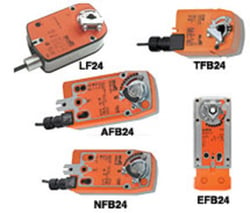
 Representative Photo, actual item may vary
Resideo by Honeywell S8701A1034 DSI Module with 11 Second Ignition and 30 Second Pre-Purge

 Representative Photo, actual item may vary
ASCO P159A111X1X14F0 120V Pneumatic Valve Actuator with 9 Second Timing
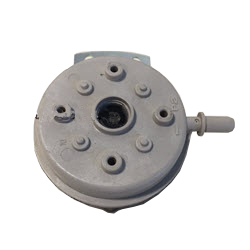 Representative Photo, actual item may vary

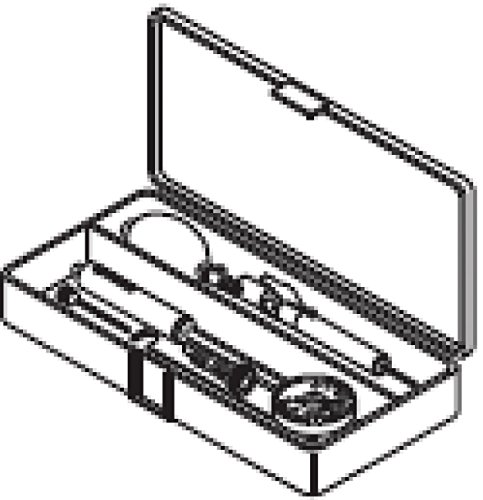 Representative Photo, actual item may vary
 Representative Photo, actual item may vary

 Representative Photo, actual item may vary
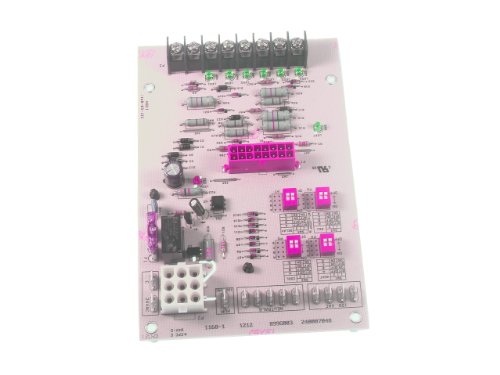 Representative Photo, actual item may vary

 Representative Photo, actual item may vary

Gree 3900030815 Temperature Sensor for Air Conditioner and Heat Pump Systems
 Representative Photo, actual item may vary

Siemens Building Technology S55720-S536 Duct Air Velocity Sensor 0-10VDC Heavy Duty

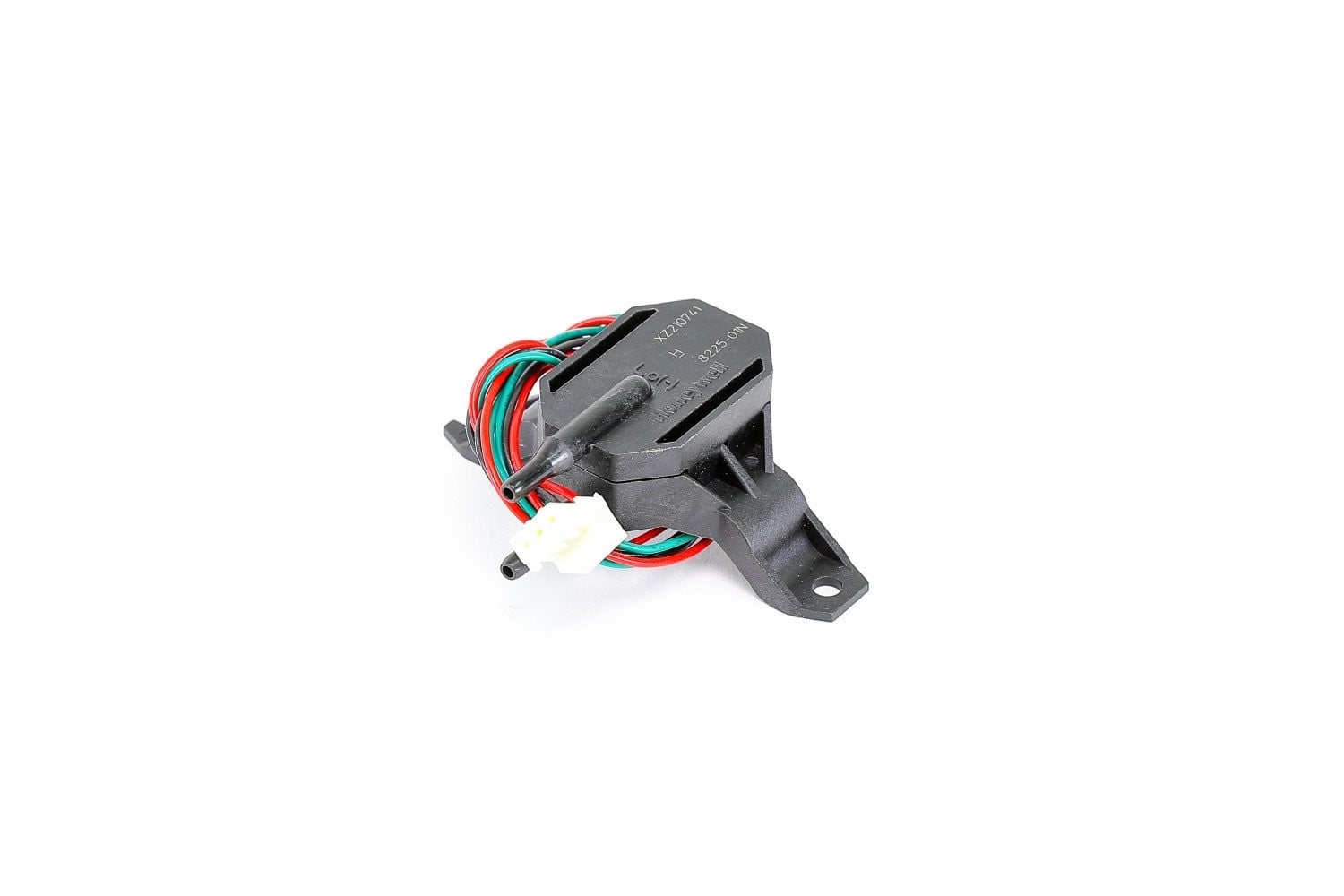 Representative Photo, actual item may vary
 Representative Photo, actual item may vary
Belimo F6200-150SHP 8 Inch Butterfly Valve 2-Way 316 Stainless Steel Disc 1135 Cv
 Representative Photo, actual item may vary
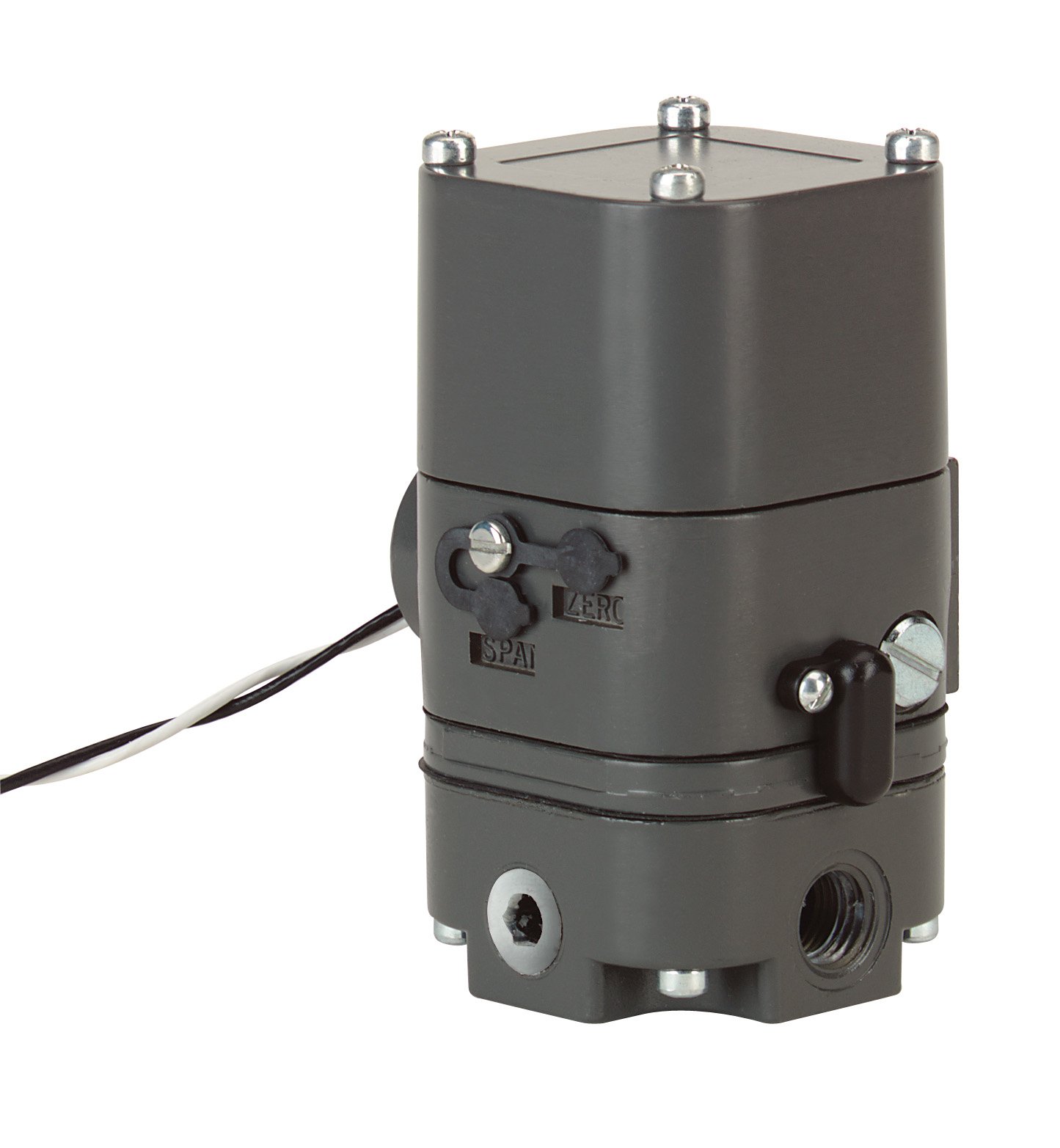 Representative Photo, actual item may vary
Dwyer Instruments 616KX-200-108-IN Pressure Transmitter 0-10 Inch WC Range
 Representative Photo, actual item may vary

Mitsubishi Electric T7WM36315 Control Board for MXZ Multi-Zone Air Conditioners


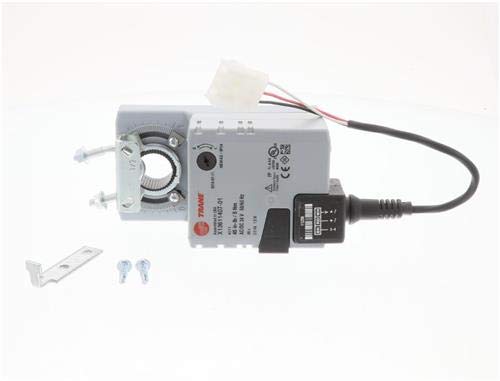 Representative Photo, actual item may vary


Crandall Stats and Sensors 2212-119-48-CSS Pneumatic Room Thermostat 48-Pack Reverse Acting Two-Pipe
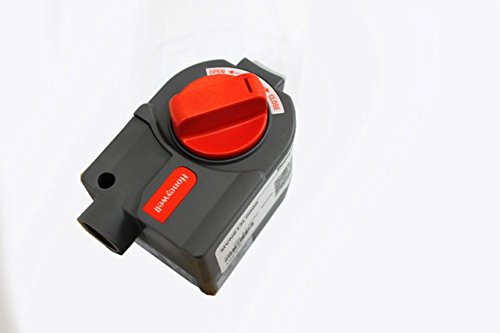 Representative Photo, actual item may vary
Honeywell VBN2GSPX0000 2.5" NPT Two-Way Brass Ball Valve with DCA Actuator

 Representative Photo, actual item may vary
 Representative Photo, actual item may vary

 Representative Photo, actual item may vary

 Representative Photo, actual item may vary
Belimo F6100L+JRBUP-3-T 4-Inch Flanged Butterfly Valve with Actuator 2-Way 798 Cv


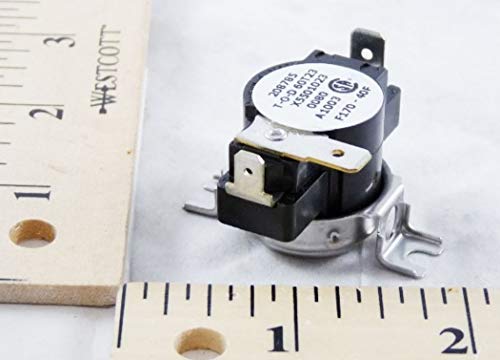 Representative Photo, actual item may vary
 Representative Photo, actual item may vary

 Representative Photo, actual item may vary
Why Thermostats, Controls & Valves Are Essential to Your Vehicle
Few systems in your vehicle are as quietly important as the network of thermostats, controls, and valves that govern engine temperature. Acting as the gatekeeper for your car's cooling system, these components make split-second decisions about coolant flow that can mean the difference between optimal performance and catastrophic engine failure. Understanding what they do — and why they matter — is the first step to keeping your vehicle running reliably for years to come.
How Engine Thermostats Work
A thermostat is a key component of the engine's cooling system that regulates coolant flow based on engine temperature. It remains closed when the engine is cold, allowing it to warm up quickly, and opens as the engine reaches optimal operating temperature to let coolant circulate to the radiator. This seemingly simple action has profound effects on engine health and efficiency.
During normal use, the thermostat is never in the fully closed or fully open position — it depends on the condition of the engine and gradually nears either state to control coolant flow. Most thermostats open at 180–195°F and use a wax-filled mechanism that expands with heat to operate. This purely mechanical response is remarkably reliable, though modern vehicles increasingly use electronically controlled variants for even greater precision.
The Broader Category: Controls & Valves
The thermostat is just one piece of a larger puzzle. The Thermostats, Controls & Valves category encompasses a wide range of components that regulate fluid flow, temperature, and pressure throughout your vehicle's systems. These include:
- Coolant control valves — designed to control the distribution and flow of coolant, managing heat transfer between the engine, radiator, and heater core.
- Bypass thermostats — direct coolant flow through a bypass when the engine is cold and redirect it to the radiator once warmed up.
- Electronic and map-controlled thermostats — used in advanced cooling systems to maintain optimized cooling based on changing driving conditions, offering a significant improvement in accuracy over purely mechanical types.
- Temperature sensors and switches — monitoring components that feed data to the engine control unit, enabling intelligent management of cooling and heating circuits.
- Heater control valves — regulate how much hot coolant flows into the cabin heater core, directly affecting interior comfort and defrost performance.
Why These Parts Matter for Performance and Longevity
Maintaining proper engine temperature improves fuel efficiency, reduces engine wear caused by temperature fluctuations, and supports emission control by ensuring consistent combustion temperature. Conversely, common failure modes include a thermostat getting stuck open — causing poor heating — or stuck closed, which causes overheating. Either condition places unnecessary stress on the entire cooling system and can lead to costly repairs.
The main engine coolant is often used to cool one or more additional heat exchangers or radiators, such as a transmission oil cooler, a fuel cooler, or an air-charge cooler, making this category relevant well beyond just the primary engine cooling circuit.
What to Consider When Shopping This Category
When selecting a thermostat, control, or valve, always match the component's temperature rating to your vehicle manufacturer's specification. Thermostats are designed to meet manufacturer's specifications for temperature ratings, which is critical for optimal engine performance. Also consider whether your application calls for a conventional mechanical unit or a more advanced electronically controlled design, especially in late-model vehicles with precision thermal management systems. Finally, plan to replace your thermostat every 100,000 miles or when you notice temperature regulation problems to stay ahead of potential failures.