


Clutch Lever





 Representative Photo, actual item may vary

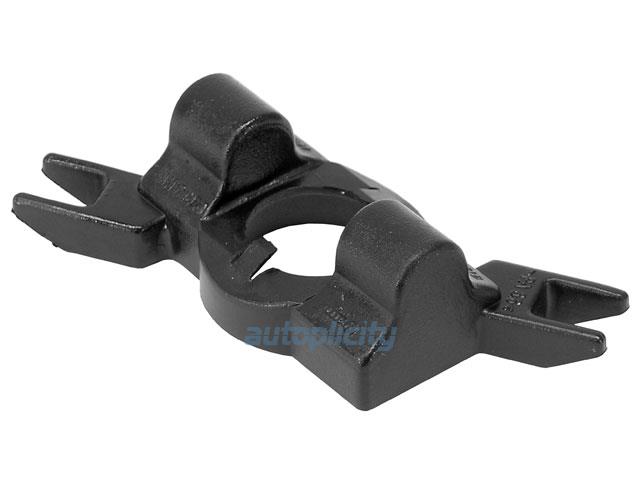 Representative Photo, actual item may vary

 Representative Photo, actual item may vary

 Representative Photo, actual item may vary

Rauch & Spiegel 10 1518 090 Clutch Release Shaft & Bearing Kit for Porsche 911 G50 G64


 Representative Photo, actual item may vary


 Representative Photo, actual item may vary


 Representative Photo, actual item may vary
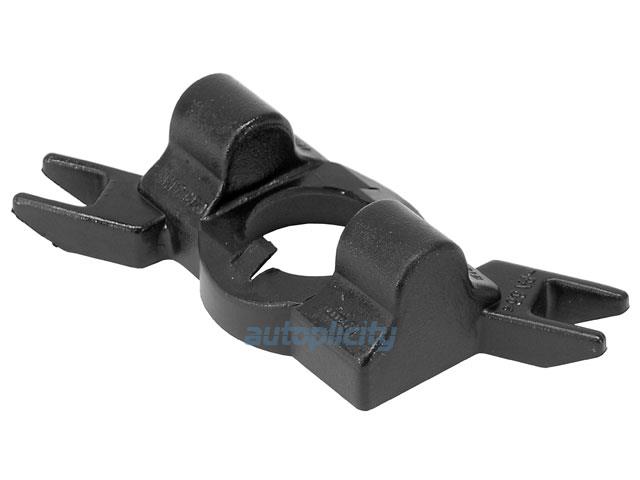 Representative Photo, actual item may vary

 Representative Photo, actual item may vary

 Representative Photo, actual item may vary


What Is a Clutch Lever?
The clutch lever — also commonly called the clutch fork or release fork — is one of the most mechanically essential components in any manual transmission system. Its job is deceptively simple but critically important: when you press the clutch pedal, the lever converts that linear pedal motion into a pivoting force that actuates the release bearing against the diaphragm spring, ultimately separating the clutch disc from the flywheel and cutting power flow between the engine and gearbox.
As described in the way the system works: clutch levers act as mechanical intermediaries — the clutch fork is a lever that pushes the fingers of the diaphragm spring forward toward the flywheel, triggering the chain reaction that allows smooth gear changes. Without a properly functioning clutch lever, the release bearing cannot apply force evenly to the pressure plate, resulting in incomplete disengagement, grinding gears, or a clutch pedal that feels loose or unresponsive.
Why the Clutch Lever Matters
The clutch lever is a wear-and-pivot component, meaning it experiences repeated stress on every single gear shift. Over time, the pivot point can wear, the lever itself can crack, or the socket where it contacts the release bearing can degrade. The throw-out bearing is located on the end of the clutch fork, a lever that transfers the motion from the control side of the clutch system, whether that system is cable, mechanical linkage, or hydraulically operated. A worn or bent lever compromises that transfer, making it one of the first components to inspect when diagnosing clutch engagement problems.
Because the clutch lever sits inside the bell housing — a hard-to-access area of the drivetrain — many experienced technicians recommend replacing it any time the clutch disc and pressure plate are being serviced. The labor cost to access this area is substantial, so installing a fresh lever alongside a full clutch kit is simply smart preventive maintenance.
What to Consider When Shopping for a Clutch Lever
- OEM vs. Aftermarket Fit: Clutch levers are highly vehicle-specific. Always verify compatibility with your exact year, make, model, and engine before purchasing.
- Material Quality: Look for levers made from forged or cast steel that can withstand the repetitive stress of thousands of engagement cycles.
- Pivot Wear Points: Inspect whether the new lever includes updated pivot bushings or contact pads, which can extend the service life of the component.
- Complete Kit Replacement: Since accessing the bell housing requires significant disassembly, consider replacing the entire clutch system — disc, pressure plate, release bearing, and fork — at the same time.
Top Brands for Clutch Levers
Genuine parts are manufacturer-sourced OEM components, meaning they are built to the exact specifications of the original equipment on your vehicle. For a precision-fit component like the clutch lever — where dimensional accuracy directly affects how the release bearing seats and operates — a Genuine part eliminates the guesswork of aftermarket fitment.
URO Parts is a well-regarded supplier of European vehicle replacement components, offering a cost-effective alternative to dealer pricing. URO focuses on providing parts engineered to match OEM dimensions and specifications, making their clutch levers a practical choice for European vehicle owners seeking quality without the dealership premium.