


Engine Coolant Crossover Pipe


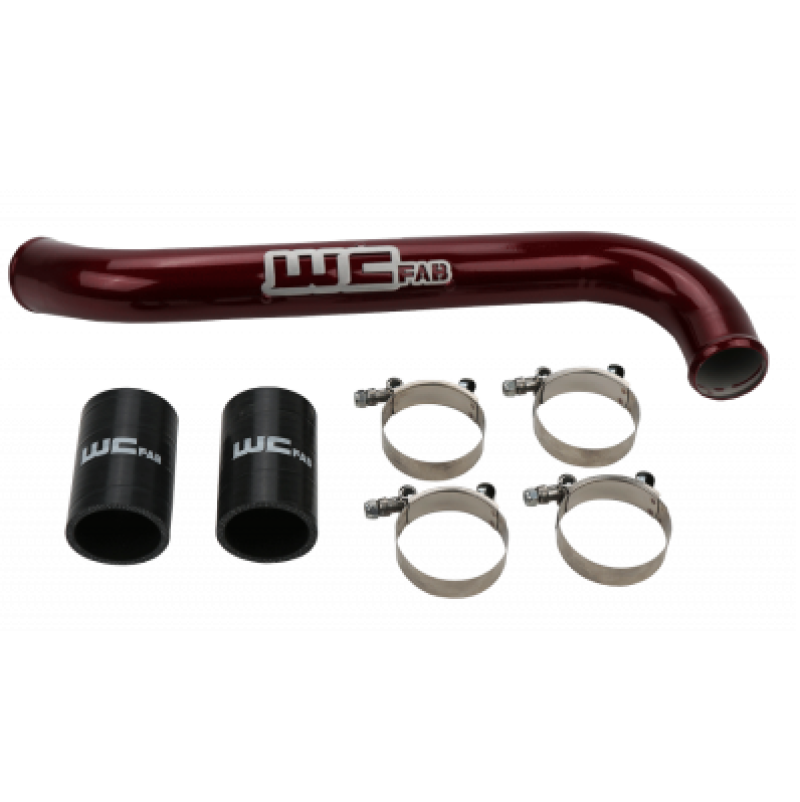 Representative Photo, actual item may vary
Wehrli Custom Fabrication WCF100702-CRO Billet Aluminum Upper Coolant Crossover Pipe - Candy Red Orange




Dorman 902-5224 Engine Coolant Crossover Pipe for Land Rover


Earl's Performance LS0037ERL Adjustable Coolant Cross-Over Tube -16 AN x(2) -12 AN



Dorman 902-3102HP Engine Coolant Crossover Pipe - Aluminum Upgrade
 Representative Photo, actual item may vary


Mopar Performance 04893794AE Engine Coolant Crossover Housing

 Representative Photo, actual item may vary

What Is an Engine Coolant Crossover Pipe?
The engine coolant crossover pipe is a critical — and often overlooked — component of your vehicle's cooling system. Its primary function is to facilitate the flow of coolant between the engine block, cylinder heads, and the radiator, ensuring even coolant distribution and keeping the engine operating within a safe temperature range. On many engines, the crossover pipe also serves as a pathway for trapped air and steam to escape the cooling circuit.
This is especially important on engines like the GM LS platform, where the thermostat is positioned lower in the cooling system. Coolant crossover pipes on these engines — sometimes called steam lines or steam tubes — route those vapor pockets from steam ports at the top of the engine block to the radiator overflow tank. Without a properly functioning crossover pipe, pockets of air or vapor can get trapped in the coolant passages, creating dangerous hot spots that can disrupt engine tuning or even trigger premature detonation.
Why Crossover Pipes Fail — and When to Replace Them
Many factory coolant crossover pipes are manufactured from plastic, which can become brittle and crack over time due to constant heat cycling in the harsh underhood environment. Common failure symptoms include a persistent coolant smell, visible seepage around the pipe ends, or unexplained coolant loss without an obvious external leak. If left unaddressed, a leaking crossover pipe can lead to engine overheating and significant damage.
Common issues that can arise with coolant crossover pipes include clogging from debris buildup, leaks from cracked or deteriorated material, and corrosion — all of which can cause engine overheating and reduced performance. Replacing a failed or aging pipe with a quality aftermarket unit — particularly one made from aluminum — is a straightforward repair that can prevent much more costly engine damage down the road.
Choosing the Right Replacement or Upgrade
When shopping for a coolant crossover pipe, it's important to confirm fitment for your specific make, model, and engine. Beyond fit, consider the pipe's construction material: aluminum crossover pipes offer significantly better heat and corrosion resistance compared to the original plastic components found on many vehicles. For enthusiasts swapping intakes or building performance LS-based engines, aftermarket steam line kits offer improved flow, greater versatility, and a cleaner engine bay appearance.
Top Brands in Engine Coolant Crossover Pipes
Dorman is a leading name in OE-replacement crossover pipes. Their OE FIX line addresses a well-known weak point in many Chrysler, Dodge, Jeep, and Ram engines by redesigning the pipe in durable aluminum rather than the factory plastic — delivering better longevity and leak resistance right out of the box.
Earl's Performance caters to the performance and racing crowd with hard-line steam tube kits engineered specifically for GM LS engines. Their kits are crafted from stainless steel tubing and black anodized components, and are designed to eliminate trapped air and steam to prevent hot spots and overheating during high-performance use.