


Secondary Air Injection Sensor


Standard Motor Products AS440 Secondary Air Injection Pressure Sensor



 Representative Photo, actual item may vary

 Representative Photo, actual item may vary

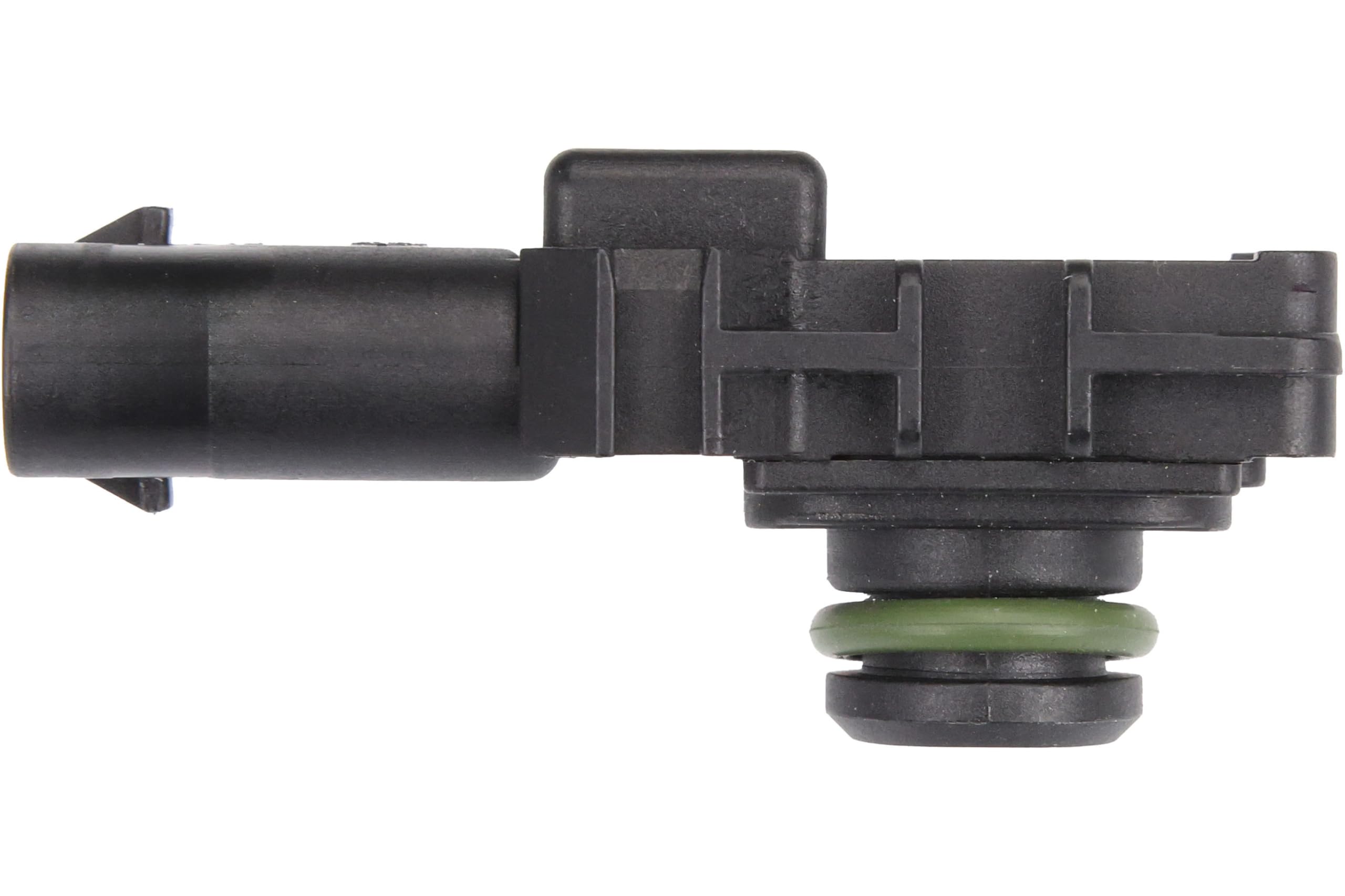 Representative Photo, actual item may vary

What Is a Secondary Air Injection Sensor?
The secondary air injection (SAI) sensor is a critical component in your vehicle's emission control system. It monitors pressure and airflow within the secondary air injection circuit, giving the engine control unit (ECU) the data it needs to verify that the system is operating correctly. Without accurate sensor feedback, the ECU cannot confirm that fresh air is being properly delivered into the exhaust stream — and both emissions performance and OBD-II readiness can suffer.
Why the Secondary Air Injection System Matters
Secondary air injection is an emissions control strategy that has been used in vehicles since the 1960s. Secondary air injection sensors are a modern evolution of this technology, enabling precise electronic monitoring of the system. The core purpose of the SAI system is to inject fresh air into the exhaust stream during cold starts, when emissions are at their highest.
During a cold start, the engine runs on a rich fuel mixture to ensure smooth operation, meaning exhaust gases contain elevated levels of carbon monoxide (CO) and unburned hydrocarbons (HC). By introducing fresh air into the exhaust manifold, the SAI system allows these pollutants to oxidize — converting them into the far less harmful carbon dioxide (CO₂) and water. This exothermic reaction also raises exhaust temperatures, helping the catalytic converter reach its operating temperature more quickly and efficiently.
On average, a significant portion of a vehicle's total drive-cycle emissions are produced during the cold-start and warm-up phases. Once the oxygen sensors and catalytic converter reach their working temperatures — typically within about 100 seconds — the SAI system shuts off automatically. The SAI sensor plays a key role in confirming, via pressure feedback, that air is actually flowing through the system during this critical window. A faulty sensor can trigger diagnostic trouble codes (DTCs) such as P0411 or P1413, illuminate the check engine light, and cause a vehicle to fail an emissions inspection.
What to Look for When Replacing a Secondary Air Injection Sensor
- OE-spec fit: The sensor must match your vehicle's connector type and thread pitch for a reliable, leak-free installation.
- Signal accuracy: Pressure sensors used in SAI systems must deliver precise voltage output so the ECU can accurately interpret airflow data.
- Durability: These sensors live in a harsh underhood environment near the exhaust. Look for units built with heat-resistant materials and corrosion-proof terminals.
- OBD-II compatibility: A properly functioning replacement sensor is essential for completing the SAI system monitor and clearing emissions-related trouble codes.
Top Brands for Secondary Air Injection Sensors
Standard Motor Products is one of the most respected names in engine management and emission control components. With decades of experience supplying OE-quality parts to the professional service market, SMP offers secondary air injection sensors — including their Intermotor import line — engineered to meet or exceed original equipment specifications across a wide range of domestic and import vehicles.