


Rubbing Compound


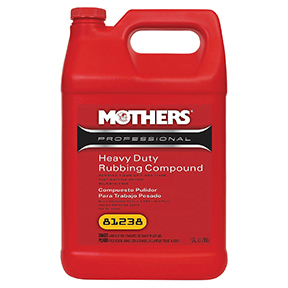 Representative Photo, actual item may vary


 Representative Photo, actual item may vary
 Representative Photo, actual item may vary
 Representative Photo, actual item may vary
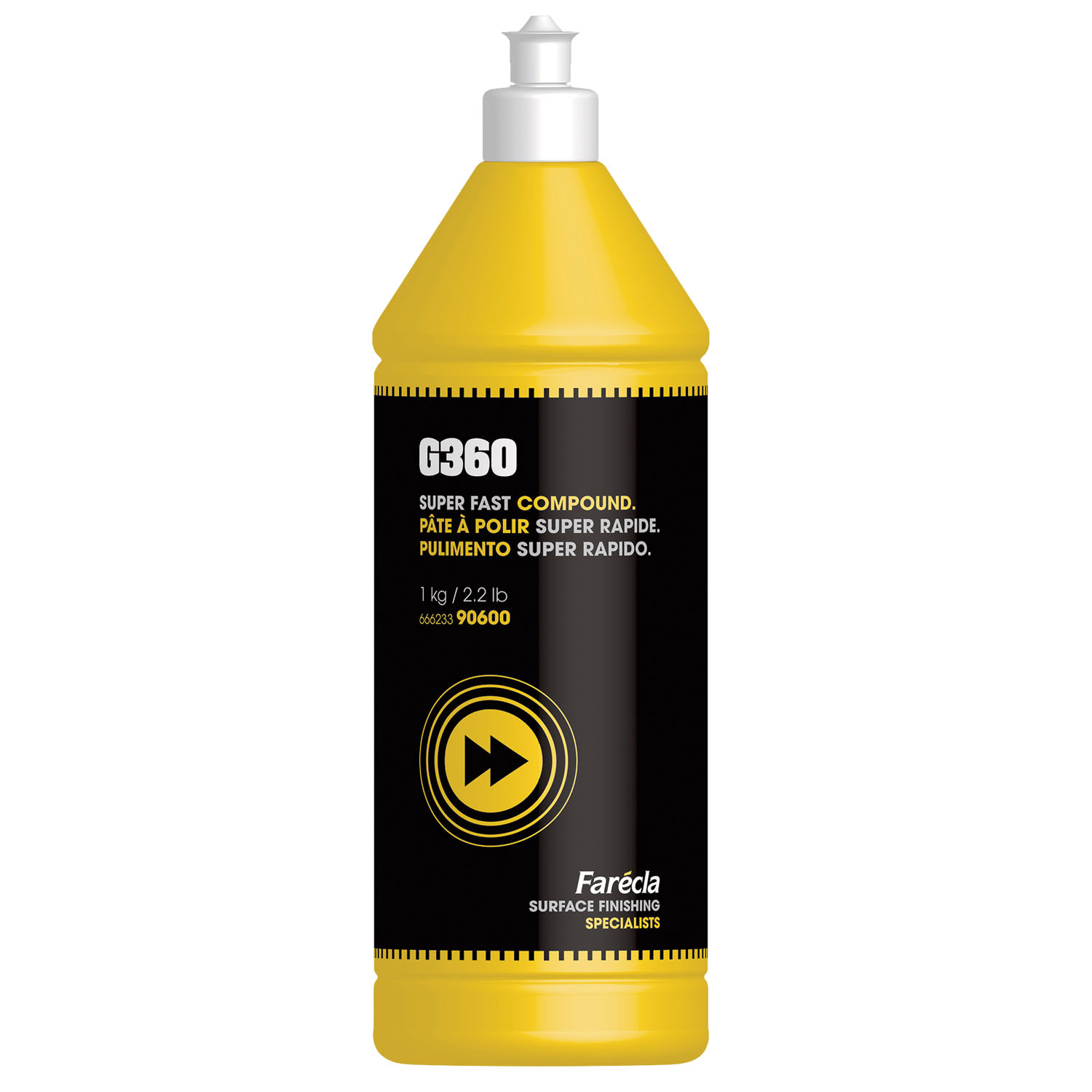 Representative Photo, actual item may vary


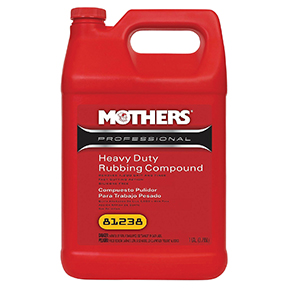 Representative Photo, actual item may vary


 Representative Photo, actual item may vary
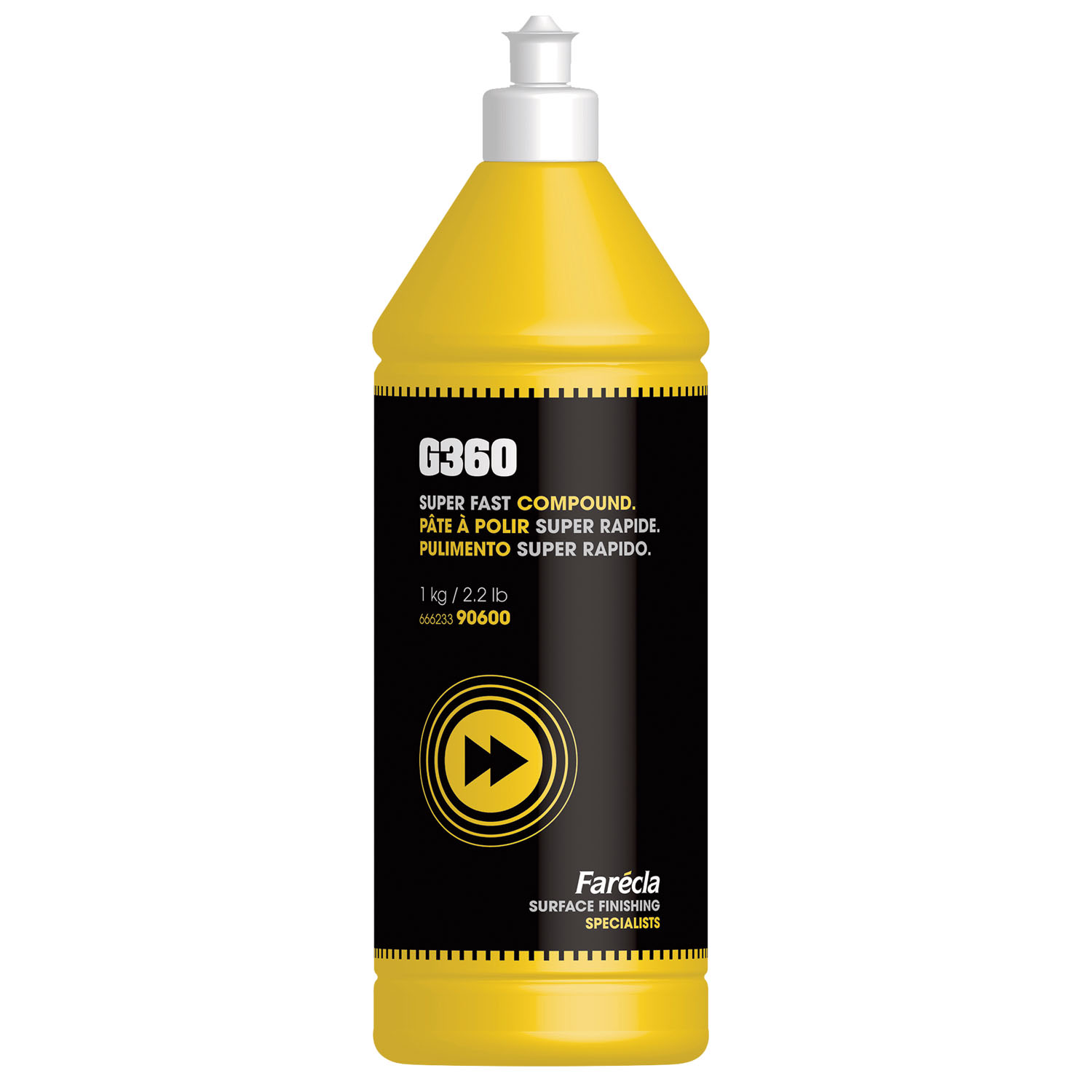 Representative Photo, actual item may vary
 Representative Photo, actual item may vary
 Representative Photo, actual item may vary


 Representative Photo, actual item may vary
High Teck 6061 Compound & Polish Combo Pack - Ultra Fine Cut Compound & Final Finish Polish, 1 Pint Each

What Is Rubbing Compound and Why Does Your Paint Need It?
Over time, every vehicle's paint endures a relentless barrage of environmental hazards — UV rays, road debris, harsh weather, and the micro-abrasions left behind by even routine washing. The result is paint that looks dull, hazy, or visibly scratched. Rubbing compound is the professional detailer's go-to remedy for reversing this kind of damage. It belongs to the paint correction category alongside wax and polish, but it works at a deeper level than either of those products.
Rubbing compound is essentially a thick paste or liquid loaded with abrasive particles. These tiny abrasives work by carefully removing a very thin layer of the clear coat, leveling out surface imperfections and restoring a smooth, uniform finish. Think of it as controlled, precision sanding — aggressive enough to tackle real paint defects, but formulated to keep the underlying layers intact.
What Can Rubbing Compound Fix?
Rubbing compound excels at addressing the kinds of paint damage that regular car wash products simply can't touch:
- Deep scratches and swirl marks — Rubbing compound cuts into the surrounding clear coat to equalize the surface, making scratches far less visible or eliminating them entirely.
- Oxidation — Sun exposure and lack of regular maintenance cause paint to oxidize, leaving it chalky and faded. Rubbing compound cuts through the oxidized layer to reveal fresher, more vibrant paint underneath.
- Water spots and etching — Mineral deposits and environmental contaminants that bond with the clear coat can be lifted with the cutting action of a quality compound.
- Paint transfer and stubborn contaminants — Marks from minor collisions, tar, and road grime that resist washing often yield to rubbing compound.
- Post-body-shop blending — Body shops regularly use rubbing compound to blend freshly painted or repaired areas with the surrounding paintwork for a seamless appearance.
Rubbing Compound vs. Polishing Compound: Understanding the Difference
Rubbing compound and polishing compound are both part of the paint correction process, but they serve very different roles. Rubbing compound is the more aggressive of the two — it uses larger abrasive particles to handle significant paint defects and heavier correction. Polishing compound, by contrast, uses finer particles to remove the light haze, micro-marring, and buffer marks that the rubbing step can leave behind, restoring full gloss and clarity.
The most effective paint correction workflow follows a two-step sequence: first correct with rubbing compound, then refine with a polishing compound. Once both steps are complete, applying a wax or sealant locks in the results and protects the newly restored surface.
Tips for Getting the Best Results
A few key practices separate a successful correction job from a frustrating one. Always start with a thoroughly clean, decontaminated surface — any dirt or debris trapped under the applicator pad will cause additional scratching. Work in a shaded area to prevent the compound from drying on the paint too quickly. Apply the compound to one small section at a time using steady, even pressure, and always follow up with a polish before applying any protective wax or coating.
Top Brands in Rubbing Compound
Presta is a well-established name in professional paint correction with roots stretching back to 1953. Trusted by auto body shops and detail professionals, Presta offers a range of cutting compounds — including their widely used Super Cut and Ultra Cutting Creme formulas — that are engineered to tackle challenging clear coats and deliver consistent, repeatable results in shop environments and enthusiast garages alike.