


Belt Gauge Tool


GearWrench 3414 10-Piece Serpentine Belt Tool Set with 12-Point Sockets and Crowfoot Wrenches

 Representative Photo, actual item may vary

K-Tool International 70730 Stretch Belt Installation Tool for Gates Micro-V Stretch Fit Belts


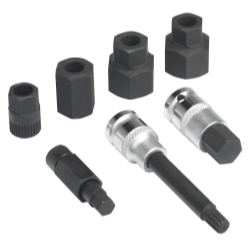 Representative Photo, actual item may vary

 Representative Photo, actual item may vary
Baum Tools 2365291 Drive Belt Tensioner Tool for BMW MINI B36 B38 B46 B48 Engines


 Representative Photo, actual item may vary

 Representative Photo, actual item may vary
 Representative Photo, actual item may vary


 Representative Photo, actual item may vary

What Is a Belt Gauge Tool and Why Does It Matter?
A belt gauge tool is a precision hand tool used to measure two critical properties of automotive drive belts: tension and wear. Drive belts — including serpentine belts and V-belts — power essential engine accessories such as the alternator, power steering pump, air conditioning compressor, and water pump. When a belt runs at incorrect tension or has worn beyond its service limits, it can slip, squeal, overheat, or fail entirely, putting the entire accessory drive system at risk.
Belt gauge tools take the guesswork out of belt service. Rather than relying on visual inspection alone — which is increasingly unreliable with modern EPDM belts that resist cracking even as they wear — a proper gauge gives technicians and DIYers a definitive, measurable answer about a belt's condition.
Two Types: Tension Gauges vs. Wear Gauges
Belt tension gauges measure the deflection force on a drive belt to confirm it falls within the manufacturer's specified range. OTC Tools belt tension gauges are a classic example: belt tension gauges are used to properly check drive belt tension on drive belts to ensure maximum belt and bearing life. Correct belt tension is critical for ensuring the longest belt life while delivering the correct tension to properly power accessory components without creating excessive loads on bearings. These tools are especially valuable on older vehicles with V-belt driven accessories that require periodic manual adjustment.
Belt wear gauges serve a different purpose — they assess how much material a belt has lost over time. EPDM belts inherently resist cracking, so a visual check for cracks is not a true indicator of belt wear; a far better indicator of wear on EPDM belts is material loss. A wear gauge slots into the belt's grooves and gives an instant pass/fail reading, making it an indispensable inspection tool for modern serpentine belts.
When Should You Use a Belt Gauge?
- After any belt replacement, adjustment, or pulley/wheel service
- During routine preventive maintenance intervals
- When diagnosing belt noise, squealing, or accessory performance issues
- Before and after timing belt or water pump jobs on vehicles with shared belt drives
Top Brands in Belt Gauge Tools
Gates is one of the most recognized names in belt drive technology, and their gauge tools reflect that deep expertise. Gates introduced a Belt Wear Gauge tool for serpentine belt inspection that was designed with input from professional automotive technicians; the small, lightweight tool provides a simple and reliable way to determine belt wear by gauging material loss between belt grooves and providing instant pass/fail results. Gates also offers the Krikit gauge line for V-belt tension measurement — Gates Krikit gauges provide a simple and quick way to measure belt tension on V-belts to ensure long belt life and optimal belt drive performance.
OTC Tools has been a trusted name in professional automotive specialty tools since 1925, and their belt tension gauges are a staple in both professional shops and home garages. Their easy-to-read, full-color dual scale reads 30–180 foot pounds and 130–800 newton meters — no conversion necessary for newton meter specifications often used by British and European manufacturers. OTC belt tension gauges are designed for use with belts on cars, trucks, SUVs, and motorcycles.
Choosing the Right Belt Gauge Tool
When selecting a belt gauge, consider the type of belt you're servicing. Older vehicles with traditional V-belts benefit most from a tension gauge with a wide measurement range. Modern vehicles equipped with EPDM serpentine belts call for a dedicated wear gauge that can detect material loss invisible to the naked eye. For shops and serious DIYers, having both types on hand covers the full spectrum of belt inspection needs.