


Evaporative Emissions System Pressure Sensor


 Representative Photo, actual item may vary


VEMO 000-905-50-02 Differential Pressure Sensor for Mercedes-Benz EVAP System



 Representative Photo, actual item may vary


Genuine 0009055002 Fuel System Pressure Sensor for Mercedes-Benz EVAP Purge Line
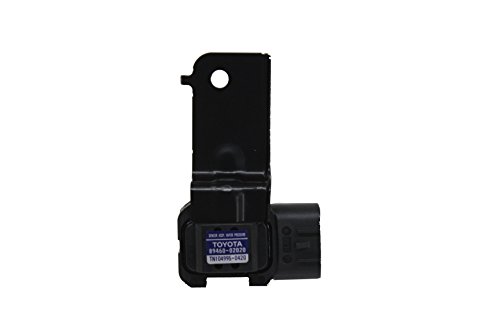 Representative Photo, actual item may vary
Genuine 000905801180 Nitrogen Oxide NOx Sensor for Mercedes-Benz Sprinter

 Representative Photo, actual item may vary
Dorman 994-325 Fuel Vapor Pressure Sensor EVAP System Replacement
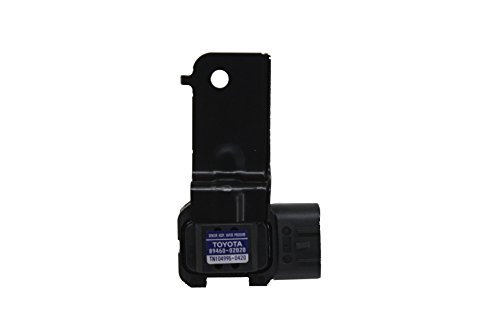 Representative Photo, actual item may vary
What Is an Evaporative Emissions System Pressure Sensor?
The evaporative emissions system pressure sensor — often called a Fuel Tank Pressure (FTP) sensor — is a small but critical component in your vehicle's emission control architecture. Evaporative emissions system pressure sensors are responsible for monitoring air pressure and vacuum levels within the EVAP system, giving the vehicle's Powertrain Control Module (PCM) the real-time data it needs to detect fuel vapor leaks before they become a bigger problem.
How the EVAP System Works
Your vehicle's fuel gradually produces vapors while sitting in the fuel tank. Rather than allowing those vapors to escape into the atmosphere, the Evaporative Emission Control System (EVAP) captures, stores, and purges those vapors back into the engine's combustion process — preventing waste and reducing harmful emissions. The pressure sensor is the system's watchdog: it continuously reads pressure changes inside the fuel system to verify that the sealed EVAP circuit is functioning correctly and that no vapors are escaping uncontrolled.
When the sensor detects pressure readings outside the manufacturer-specified range, it signals the PCM, which stores a Diagnostic Trouble Code (DTC) and illuminates the Check Engine Light. Common fault codes associated with a failing EVAP pressure sensor include P0450, P0451, P0452, and P0453.
Why a Failing EVAP Pressure Sensor Matters
A malfunctioning EVAP pressure sensor may not immediately affect how your car drives, but the consequences can snowball quickly. Common symptoms of a bad sensor include:
- Persistent Check Engine Light — the PCM detects pressure readings outside normal ranges and flags the system.
- Noticeable fuel odor — a failing sensor may miss leak detection, allowing fuel vapors to escape near the rear of the vehicle.
- Hard starting after refueling — bad sensor data can disrupt vapor purging, creating a rich fuel mixture that makes the engine difficult to start.
- Reduced fuel economy — escaping fuel vapors represent wasted fuel that never reaches the combustion chamber.
- Failed emissions inspection — EVAP system testing is standard in most state inspections, and a sensor fault code typically means an automatic failure.
What to Look for When Shopping
Because the EVAP pressure sensor sits on or near the fuel tank — often mounted directly to the fuel pump assembly or pressed into a rubber grommet on a vapor line — it is exposed to heat, vibration, and fuel vapors over time. Plastic connectors can become brittle with age, making material quality and corrosion resistance important factors when choosing a replacement. Always verify fitment by matching your vehicle's year, make, model, and trim level before purchasing, as sensor designs vary significantly across manufacturers and model years.
Top Brands for Evaporative Emissions System Pressure Sensors
When it comes to reliable aftermarket replacements, Dorman is a well-established name in the EVAP sensor category. With over a century of aftermarket parts experience, Dorman engineers their evaporative emissions system pressure sensors as direct-fit replacements designed to match the original sensor's fit and function — backed by a U.S.-based team of product experts.