


Winch Contactor
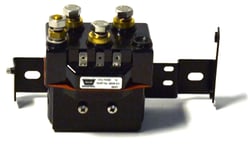

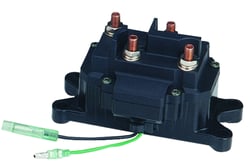
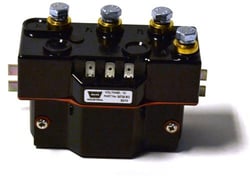
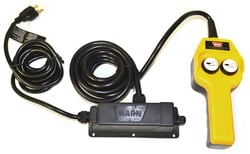


Warn 83664 Replacement Contactor Pack with Electric Cables for M8000/XD9000/9.5XP-S Winches


Warn 34970 Industrial Hoist Contactor 24V Series Wound Motor with Universal Bracket

Warn 101579 Replacement Winch Contactor for Large Frame 12V Winches


 Representative Photo, actual item may vary


Warn 85371 Replacement Control Pack for 3000 ACI Utility Winch Drum Switch Station Type


 Representative Photo, actual item may vary

 Representative Photo, actual item may vary

What Is a Winch Contactor and Why Does It Matter?
Every electric winch depends on one small but critical component to do its job safely: the contactor. Often described as the electrical “gatekeeper” of the winch system, a contactor is a heavy-duty switching device that controls the flow of high-amperage current from your vehicle’s battery to the winch motor. Without a properly functioning contactor, your winch simply won’t respond — or worse, it may only spool in one direction, leaving you stranded on the trail.
To understand why contactors are so important, consider the demands of a working winch. The winch relay or contactor is engineered specifically to handle the enormous current a winch draws. Running all of that current through a small handlebar or dashboard switch would quickly burn out those lighter-duty components. The contactor acts as an intermediary, allowing a low-current control signal to safely switch the massive power flow required by the winch motor.
Contactor vs. Solenoid: What’s the Difference?
The terms “contactor” and “solenoid” are often used interchangeably, but they aren’t identical. A contactor is most like a relay but is specifically designed for higher-current applications, typically handling loads in the range of 100–600 amps. Many winch systems use a pair of solenoids to manage forward and reverse functions, while a single contactor-style unit is common in heavier-duty or industrial setups. Knowing which your winch uses is the first step to finding the right replacement.
Signs Your Winch Contactor Needs Replacing
A failing contactor is one of the most common reasons a winch underperforms. After repeated use, the internal contacts can pit and develop excessive voltage drop, causing the motor to stall before reaching its rated pull. Common warning signs include:
- Winch only spools in one direction (in or out, but not both)
- Clicking sound when the switch is pressed but no motor movement
- Winch motor stutters or stalls under load
- Chattering or intermittent engagement of the winch
Replacing a worn contactor is one of the most cost-effective repairs you can make to restore full winch performance. Always match the contactor to your winch model and voltage (12V or 24V) to ensure proper operation.
What to Look for When Shopping Winch Contactors
When choosing a replacement contactor, keep these considerations in mind:
- Amperage rating: Verify the contactor’s amp capacity exceeds what your winch motor can draw at peak load.
- Voltage compatibility: Most vehicle winches run on 12V DC, but industrial and marine applications may use 24V systems.
- Weather resistance: Off-road and outdoor environments demand sealed, weather-resistant units that stand up to mud, water, and heat.
- OEM vs. universal fit: OEM-specific contactors ensure a direct plug-and-play replacement; universal units can offer flexibility for custom builds.
- Number of posts: Four-post designs are standard on most modern winches and handle bidirectional motor control.
Top Brands in Winch Contactors
Warn is the dominant name in winch contactors, and for good reason. Since 1948, Warn Industries has built its reputation on manufacturing winches and accessories designed, engineered, and tested for reliability and durability. Their replacement contactor lineup spans virtually every winch model they’ve produced — from ATV and UTV series like the ProVantage, XT40, and RT40, to heavy truck-mounted winches like the ZEON, VR EVO, M12, and M15 series. Warn’s contactors feature four-post, weather-resistant construction engineered to handle high amperage, making them a trusted OEM-spec solution for keeping your winch in peak operating condition.