


Winch Battery
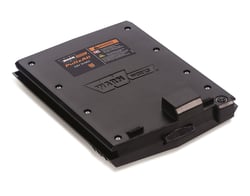

What Is a Winch Battery?
A winch battery is a dedicated power source engineered to meet the extreme electrical demands of an electric winch. Electric winches draw power directly from a battery, and unlike starting a vehicle engine — which requires only a brief burst of energy — sustained winching places a continuous, high-amperage load on your electrical system. Winches typically require a voltage of 12V or 24V, and a standard 12V winch can draw anywhere from 300 to over 500 amps under a heavy load. A battery that isn't up to this task can mean the difference between a successful recovery and being stranded.
Why a Dedicated Winch Battery Matters
Many off-road and utility vehicle operators make the mistake of relying solely on their vehicle's stock starting battery to power a winch. While this can work briefly, it puts enormous strain on the primary battery and risks leaving you unable to start your engine after a recovery. One common and highly recommended solution is a dual battery setup, where one battery is dedicated to starting the engine and the other is used for running accessories like a winch — ensuring you don't drain your starting battery while winching.
The battery must have the reserve capacity to supply enough power to the winch — a 12-volt battery rated up to 650 CCA will typically be enough for a 12,000 lb. vehicle, which is the general standard for most winches. Always consult your winch's manual to verify the recommended battery specifications.
Types of Winch Batteries
Choosing the right battery technology is just as important as choosing the right capacity. There are several key types to consider:
- AGM (Absorbed Glass Mat): Spill-proof and self-contained, AGM batteries take the traditional flooded lead acid battery to the next level — the battery plates are sandwiched between glass mats, which drastically improves charging time, extends overall life, and eliminates the need for additional maintenance. They are also constructed to handle high vibration — a critical quality for off-road use.
- Deep Cycle: Deep cycle batteries are designed to provide a steady and sustained power output, making them ideal for winch operation. Unlike starting batteries, which deliver short bursts of high energy, deep cycle batteries can handle repeated discharge and recharge cycles. For reliable performance, look for a deep cycle battery with at least 75–100 amp-hours of capacity.
- Lithium: Lithium batteries offer impressive energy density and fast recharge times, but they require careful vetting. Most lithium house batteries have a Battery Management System (BMS) that controls the maximum current output, and many provide nowhere close to the hundreds of amps a winch may require under a hard pull. Look specifically for lithium batteries rated and warranted for high-current winching applications.
Key Factors When Shopping for a Winch Battery
The most critical performance criteria include cold cranking amps (CCA), reserve capacity, and the ability to power high-draw winches without voltage drop — especially during tough recovery pulls in cold or muddy conditions. Beyond raw power, consider these practical factors:
- Vibration Resistance: Because of the high-stress conditions of off-roading and other recreational uses, choosing a battery that can handle high amounts of vibration will also extend the total life of the battery.
- Recharge Speed: How quickly each battery recharges after a heavy winching session — and how well it handles repeated deep discharges without degrading in power output or lifespan — is a key long-term performance indicator.
- Mounting Orientation: When installing the battery, check whether it is installed upright or sideways. If it's sideways, a flooded battery will not work as it will leak electrolyte fluid — meaning an AGM battery is required.
- Warranty: Considering the heavy usage these batteries will have, choose a manufacturer that offers a multi-year warranty.
Whether you're outfitting a truck, ATV, UTV, or trailer, the right winch battery is the backbone of a reliable recovery system. Pairing it correctly with your winch setup ensures you're never left powerless when it matters most.