


Soldering Iron




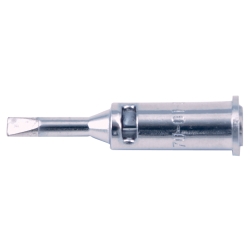 Representative Photo, actual item may vary


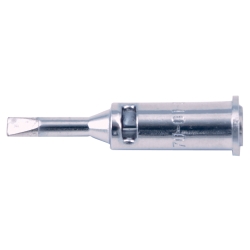 Representative Photo, actual item may vary
 Representative Photo, actual item may vary


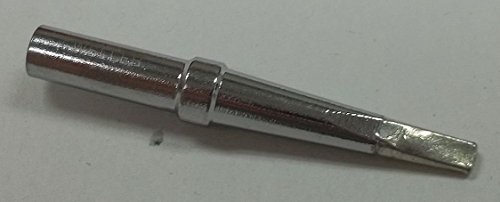
Master Appliance 70-01-08 Spade Soldering Tip 35° Bevel 2mm Diameter for Ultratorch UT-100/UT-100Si

Master Appliance 35146 Solder Tip and Adaptor for Heat Shrink Tubing 3/4" to 2" OD
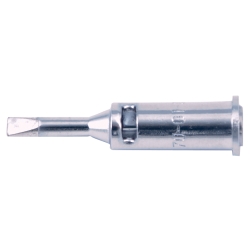 Representative Photo, actual item may vary
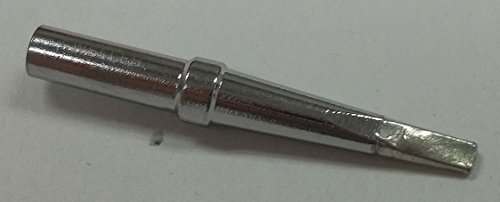 Representative Photo, actual item may vary

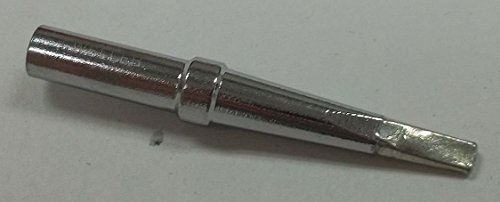 Representative Photo, actual item may vary


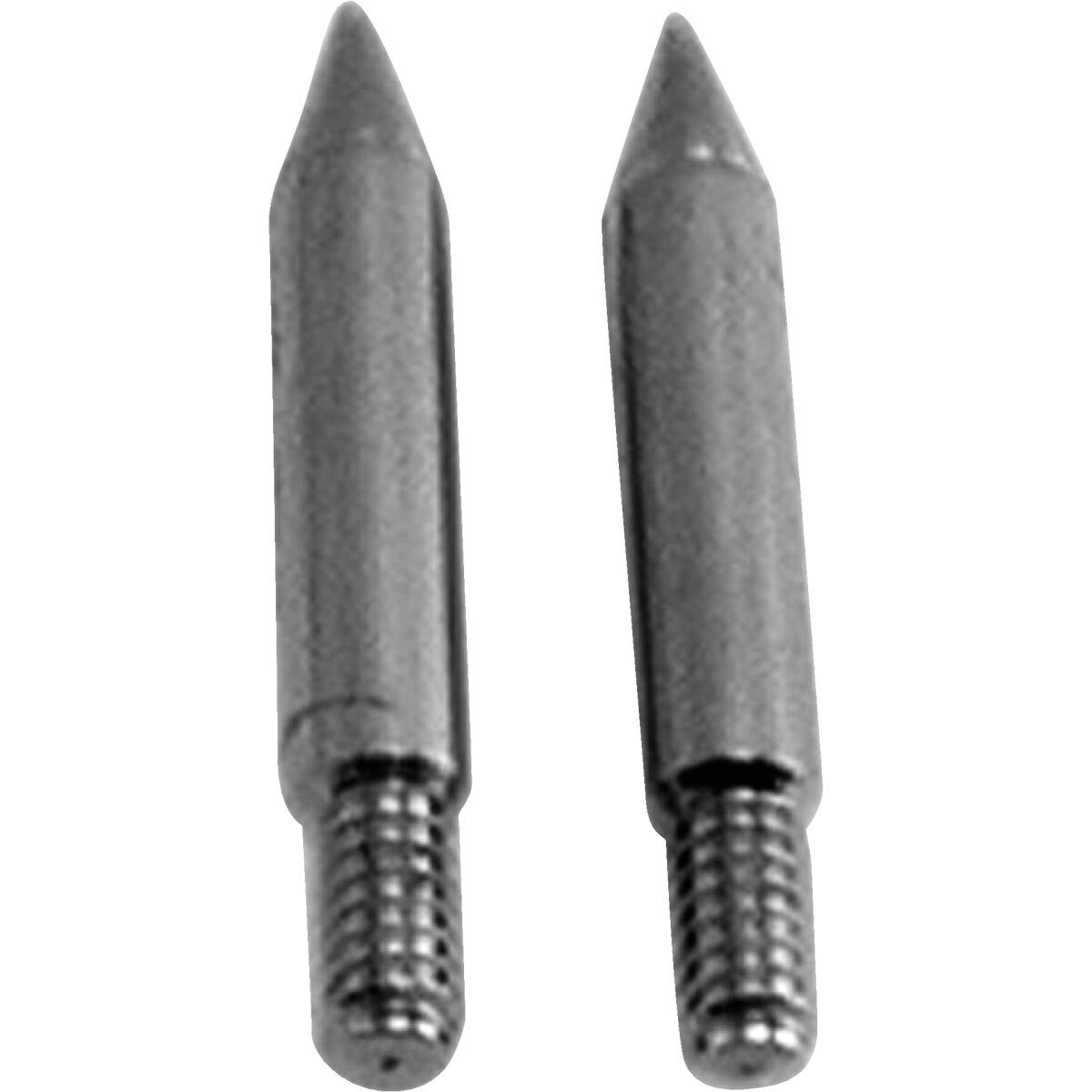 Representative Photo, actual item may vary


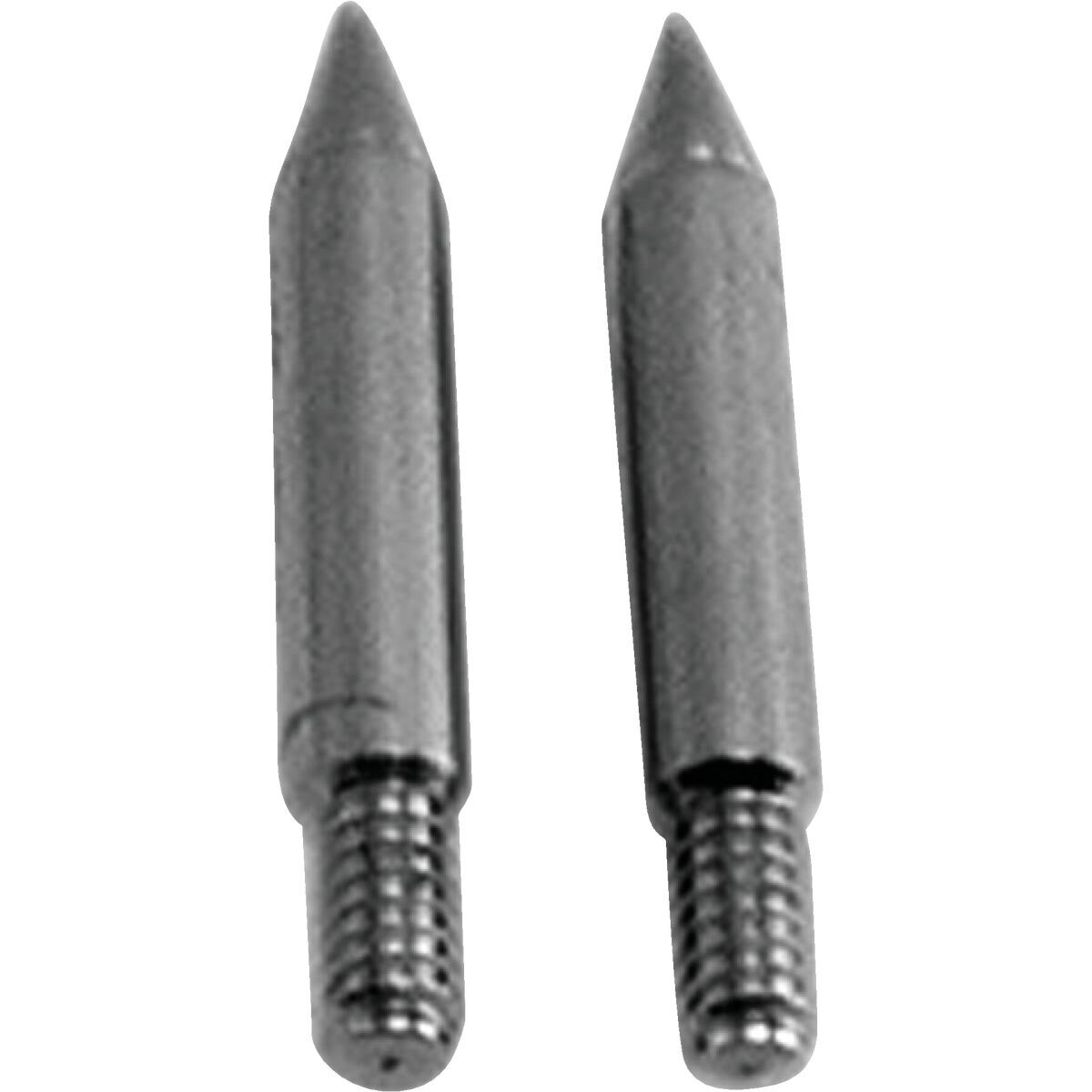 Representative Photo, actual item may vary
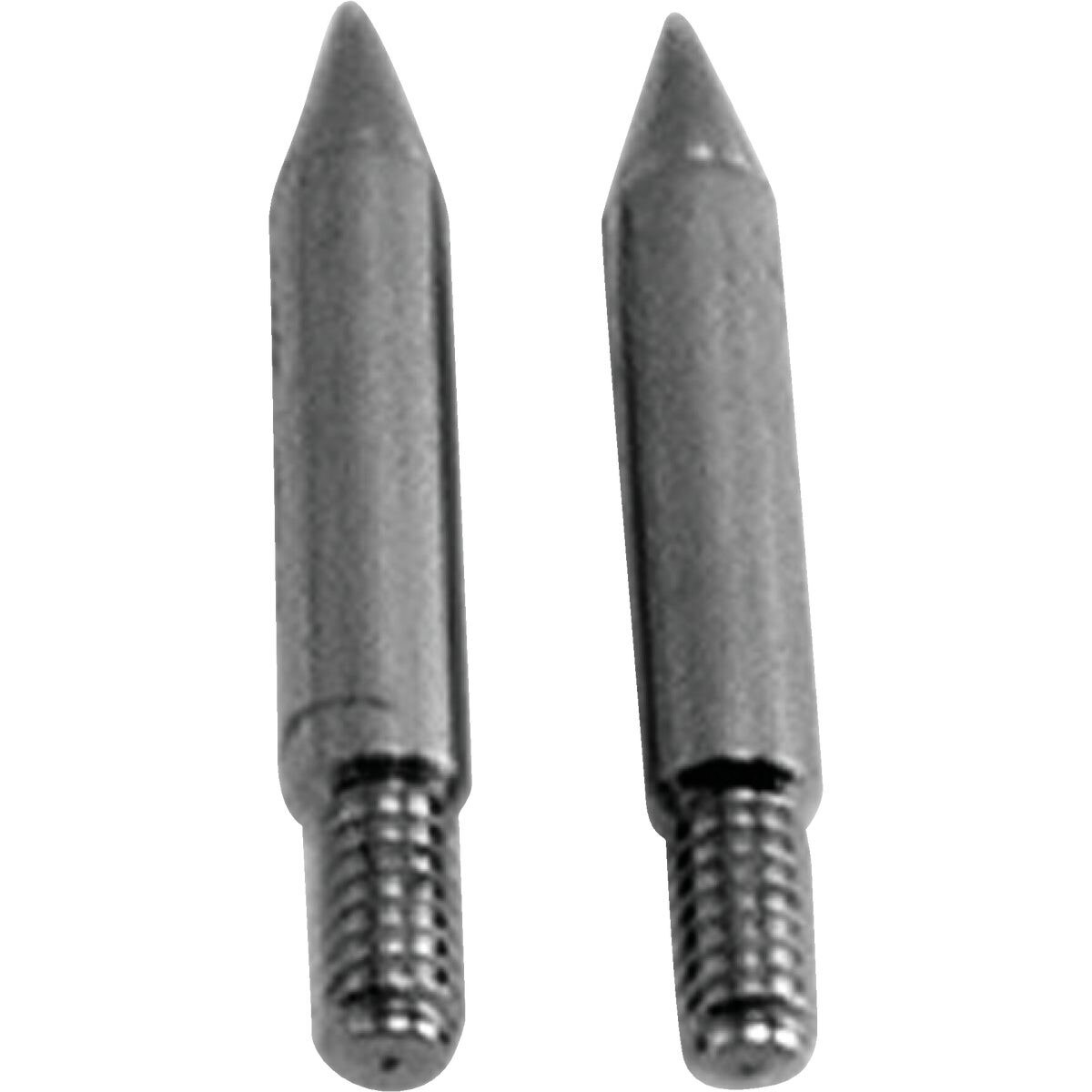 Representative Photo, actual item may vary
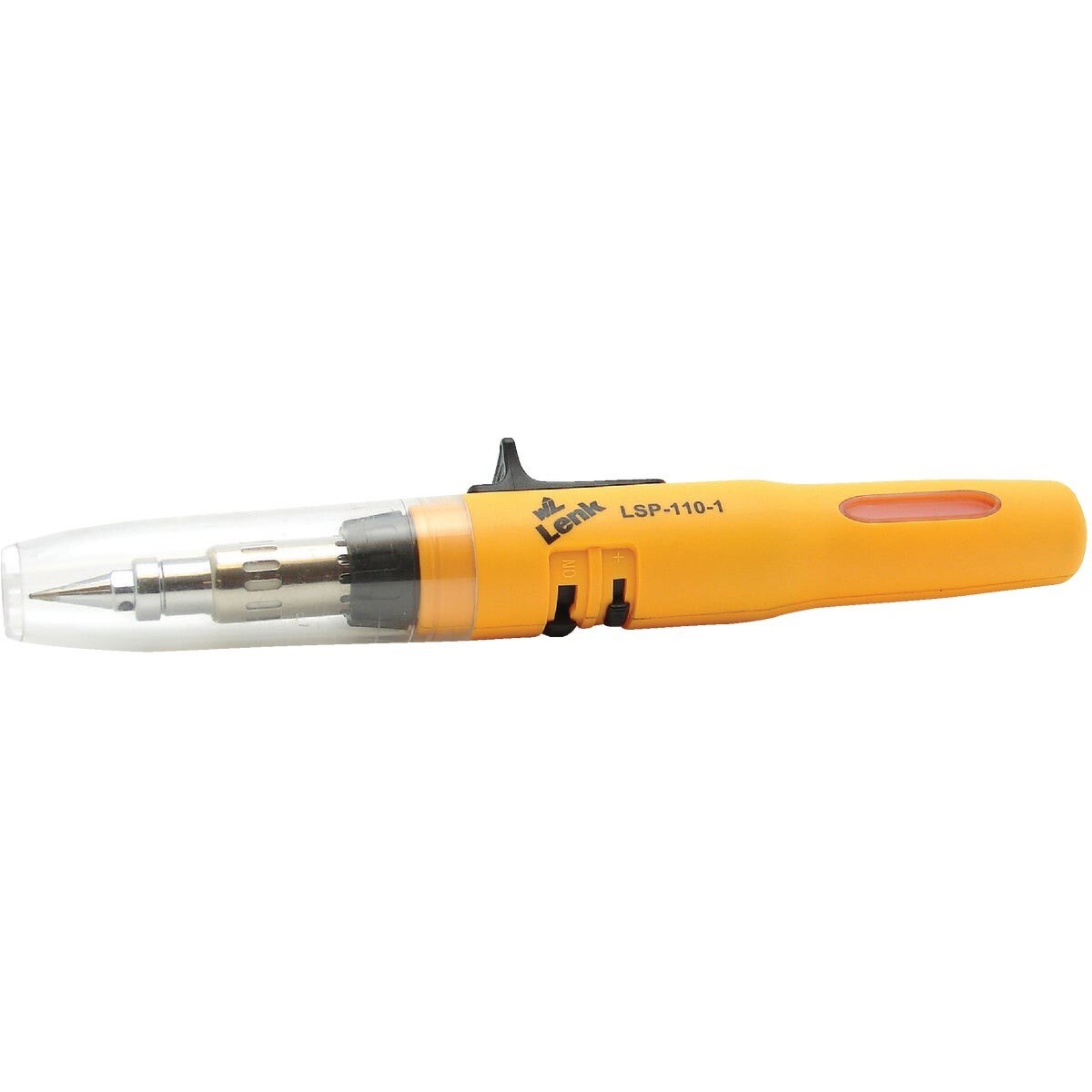 Representative Photo, actual item may vary


 Representative Photo, actual item may vary
 Representative Photo, actual item may vary

 Representative Photo, actual item may vary


 Representative Photo, actual item may vary


 Representative Photo, actual item may vary
 Representative Photo, actual item may vary

Performance Tool W2010 Helping Hands Magnifier Soldering Station with Alligator Clips
 Representative Photo, actual item may vary

 Representative Photo, actual item may vary
 Representative Photo, actual item may vary

What Is a Soldering Iron and Why Does It Belong in Your Toolbox?
Soldering irons are among the most essential hand tools for anyone working with electrical systems, wiring harnesses, or electronic components. Soldering irons work by supplying concentrated heat to melt solder — a low-melting-point metal alloy — so it can flow into the joint between two workpieces, forming a permanent, conductive bond. Whether you're repairing a frayed wire behind a dashboard, splicing into a vehicle's audio system, or replacing a surface-mount component on a control module, a quality soldering iron gives you a level of precision and reliability that no crimp connector or tape wrap can match.
Soldering Irons in Automotive and Marine Applications
Modern vehicles and watercraft are loaded with complex electrical networks — sensors, control modules, infotainment systems, lighting harnesses, and more. When wiring is damaged or a new component needs to be integrated, soldering is often the most dependable repair method. A properly soldered joint creates a strong, corrosion-resistant connection that holds up to the vibration, heat cycles, and moisture exposure that automotive and marine environments demand.
For in-vehicle work, portability matters. Cordless and butane-powered soldering irons are especially well-suited for tight quarters — under a dash, inside a door panel, or on a boat's electrical panel — where a corded tool and a nearby outlet simply aren't practical. When working on automotive wiring, a tool in the 40–45 watt range is generally recommended to bring wiring up to temperature quickly without dwelling too long and risking insulation damage.
Types of Soldering Irons to Consider
- Electric Pencil Irons: The classic corded option — reliable, consistent, and ideal for bench work on circuit boards and small wiring repairs.
- Butane-Powered Irons: Cordless and highly portable, butane irons deliver high heat output and are well-suited for field repairs, automotive wiring, and tasks where an outlet is unavailable.
- Soldering Stations: A full station with temperature control and a dedicated stand is the go-to setup for technicians who spend hours on electronics assembly or precision PCB work.
- Cordless Battery-Powered Irons: Lightweight and portable, ideal for quick field tasks and low-to-medium duty soldering jobs.
What to Look for When Buying a Soldering Iron
The right soldering iron depends on your intended application. Key factors include wattage (higher wattage means faster heat recovery on larger connections), temperature control (adjustable irons prevent damage to sensitive components), tip compatibility (a wide range of available tip styles gives you versatility across job types), and portability (butane or battery-powered models shine in field and garage environments). For automotive and marine work specifically, look for a model that heats up quickly, holds temperature under load, and comes with interchangeable tips for both fine wiring and broader heat shrink applications.
Top Brands in Soldering Irons
Master Appliance is the standout name in this category, with a heritage stretching back to 1958 when the company introduced the first industrial-quality heat gun to the worldwide marketplace. In 1985, Master Appliance was the first to bring butane-powered soldering irons and heat tools to the North American market — a legacy of innovation that continues today through their Ultratorch line. Their tools are trusted in demanding production environments by some of the most well-respected companies worldwide, making them an equally strong choice for the professional technician and the serious DIYer.