


Measuring Square Set


Central Tools 3S503 STORM 12" Combination Square Set with Centering Head and Protractor





 Representative Photo, actual item may vary


 Representative Photo, actual item may vary


Starrett C33HC-6-4R 6-Inch Combination Square Set with Square and Center Head, 4R Graduation, Satin Chrome





What Is a Measuring Square Set?
A measuring square set is a collection of precision hand tools designed to mark, check, and transfer accurate 90° and 45° angles across a workpiece. Squares are foundational to virtually every trade that involves cutting, fitting, or fabricating — from automotive bodywork and engine rebuilding to woodworking, metalworking, and construction. Whether you're checking that a machined surface is truly flat, laying out a precise cut line on sheet metal, or verifying the squareness of a chassis component, a quality measuring square delivers the accuracy your work demands.
Types of Measuring Squares
Understanding the different square types helps you choose the right tool for each job:
- Combination Square: The most versatile option in any set. A combination square features a sliding head on a grooved steel rule, allowing it to function as a try square, miter square, depth gauge, height gauge, marking gauge, and even a small level — all in one compact tool. It can also mark both 90° and 45° angles with equal precision.
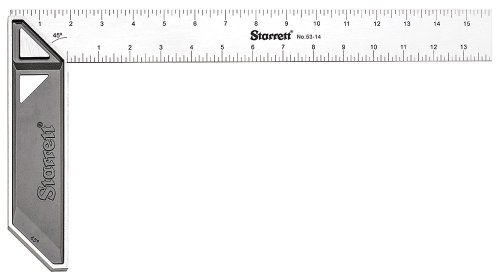
- Try Square: A fixed, rigid square used to check and mark 90° angles on workpieces. Named for its use in "trying" a surface — testing whether edges and faces are straight and square to one another — the try square is a staple for close, exacting bench work.
- Framing Square (Steel Square): An L-shaped square made from a single flat piece of metal with a long blade and shorter tongue. Originally designed for timber framing, it is equally useful for marking wide boards, checking sheet stock squareness, and laying out rafters or stair stringers.
- Speed Square: A compact triangular layout tool that serves as a quick reference for 90° and 45° angles, and can double as a saw guide for short cuts on dimensional lumber.
Why Accuracy Matters
Even a minor discrepancy in a measuring square can cascade into significant errors down the line. In automotive work, for instance, out-of-square measurements during fabrication or alignment can affect fitment, structural integrity, and safety. Choosing a square with a hardened steel blade and a forged or cast iron head — rather than plastic or die-cast zinc — ensures that the tool maintains its accuracy even after years of shop use and the occasional drop.
Top Brands in Measuring Square Sets
Starrett is the standard-bearer in precision measuring squares. Laroy S. Starrett invented the combination square in 1877, and the company has been refining that design ever since. Starrett squares feature photo-engraved, hardened and tempered steel rules paired with cast iron or forged steel heads — built to a level of precision that professional machinists, fabricators, and tradespeople rely on daily.
Stanley brings decades of hand tool expertise to the measuring square category, offering reliable squares that balance accuracy and accessibility. Stanley's broad tool ecosystem makes their squares a natural fit for mechanics and DIYers who want a dependable layout tool as part of a complete hand tool kit.
Swanson is the originator of the Speed Square — a registered Swanson trademark — which Albert J. Swanson invented in 1925 as a carpenter's layout tool. Swanson squares are widely trusted for fast, repeatable angle marking and saw-guiding tasks on the job site and in the shop.
What to Look for When Shopping
- Material & Construction: Opt for hardened steel blades and cast iron or forged steel heads for long-lasting accuracy.
- Graduation Clarity: Clearly etched or engraved graduations resist wear far better than printed markings.
- Head Fit: The head should move smoothly along the rule with no wobble, and lock firmly when tightened.
- Set Completeness: A good measuring square set may include a combination square, try square, and framing square to cover every angle of your work.