


Ignition Coil Assembly




Standard Motor Products UF422 Ignition Coil and Module Assembly





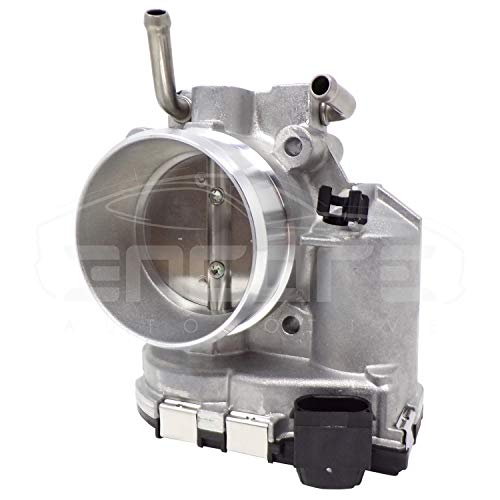 Representative Photo, actual item may vary





 Representative Photo, actual item may vary
What Is an Ignition Coil Assembly?
Ignition coil assemblies are one of the most critical components in any gasoline-powered engine's ignition system. Ignition coil assemblies serve as the bridge between your vehicle's 12-volt electrical system and the thousands of volts required to fire each spark plug. The coil transforms low battery voltage into the high-voltage energy needed to create a spark, igniting the air-fuel mixture inside each cylinder and keeping your engine running efficiently.
At their core, ignition coils consist of two sets of copper windings — a primary winding and a secondary winding — wrapped around an iron core. When current flows through the primary winding, it generates a magnetic field. When that current is suddenly interrupted, the collapsing magnetic field induces a much higher voltage in the secondary winding — often reaching 20,000 volts or more — which then travels to the spark plug to ignite the fuel charge.
Types of Ignition Coil Assemblies
Modern vehicles use several distinct coil configurations, each with different design characteristics and installation requirements. Understanding the differences helps you choose the correct replacement:
- Coil-on-Plug (COP): The most common design in contemporary engines, coil-on-plug assemblies mount directly to each individual spark plug. They eliminate the need for separate spark plug wires and reduce voltage loss, delivering spark energy more efficiently. They also allow the engine control module (PCM) to manage ignition timing independently for each cylinder.
- Coil Pack (Coil Rail / Cassette): Multiple coils are integrated into a single housing that serves several cylinders. Common on older distributor-less ignition systems, coil packs are cost-effective and straightforward to replace.
- Distributor Coil: Found on older vehicles, a single canister-style coil works alongside a mechanical distributor to route high-voltage pulses to each cylinder in firing order.
Why Ignition Coil Assembly Quality Matters
Ignition coils operate in a harsh environment — enduring extreme heat, vibration, oil exposure, and wide temperature swings every time the engine runs. A failing coil can cause misfires, rough idle, poor fuel economy, increased emissions, or a no-start condition. Because coils on the same engine experience identical stress cycles, technicians often recommend replacing all coils at once when one fails, rather than risking a cascade of subsequent failures.
When selecting a replacement ignition coil assembly, fit and electrical specifications are paramount. A coil that doesn't match the OE impedance, spark energy output, or connector configuration can cause drivability issues or even damage the PCM. Always verify the part fits your specific year, make, model, and engine before installation.
Top Brands in Ignition Coil Assemblies
For foreign nameplate vehicles — including Japanese and European makes — Beck/Arnley is a go-to name. Beck/Arnley ignition parts are engineered to meet foreign nameplate OE specifications for form, fit, and function, with coil offerings spanning coil pack, E-core, canister, and C-core styles for direct-fit replacement.
Standard Motor Products is one of the most respected names in the ignition category, with over 100 years of experience and an aftermarket-leading ignition coil program covering both import and domestic vehicles. Their Standard® and Blue Streak® coil lines undergo rigorous testing — including thermal shock, thermal cycling, and vibration analysis — to meet or exceed OE standards for spark energy and durability.
Mando brings OE-level engineering to the aftermarket, leveraging its roots as a major Tier 1 supplier to Korean automakers. Mando ignition coil assemblies are an excellent choice for Hyundai and Kia applications where OE-equivalent quality is a priority.