


Speedometer Adapter





 Representative Photo, actual item may vary
 Representative Photo, actual item may vary
 Representative Photo, actual item may vary

Dakota Digital ECD-200BT-2 Electronic Cable Drive Speedometer Adapter with Bluetooth - GM Clip-On

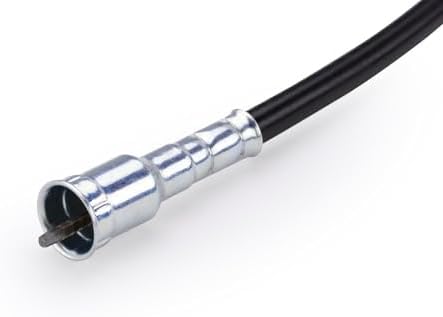 Representative Photo, actual item may vary
Dakota Digital ECD-200BT-1 Electronic Cable Drive with Bluetooth and GM Thread-On Connector

Classic Instruments SN85CABLE-TFD CI DRIVE 2.0 Speedometer Cable Adapter

Classic Instruments SN85CABLE-CMP CI DRIVE 2.0 Speedometer Cable Interface


What Is a Speedometer Adapter?
A speedometer adapter is a critical interface component that bridges the gap between your vehicle's speed signal source and its speedometer gauge. Whether you're swapping a modern electronic transmission into a classic car with a cable-driven dash, upgrading to an aftermarket gauge cluster, or retrofitting a vintage speedometer into a restomod build, a speedometer adapter ensures the signal is properly translated so your gauge reads accurately and reliably.
These adapters fall into two main types. Mechanical-to-electronic adapters convert the rotational input from a traditional speedometer cable into an electronic pulse signal compatible with modern digital gauges. Electronic-to-mechanical adapters do the reverse — taking an electronic speed signal from a late-model drivetrain and driving a physical cable to operate a classic cable-driven speedometer, preserving the original look of a vintage interior without sacrificing accuracy.
Why Speedometer Adapters Matter
In the world of custom builds, restomods, and engine or transmission swaps, mismatched speed signal types are one of the most common wiring headaches. A modern overdrive automatic transmission or a late-model engine control module outputs a square-wave electronic pulse — something an old-school needle gauge simply cannot interpret on its own. Without the right adapter, your speedometer either reads zero, swings erratically, or won't function at all.
Beyond custom builds, speedometer adapters are also used when adding aftermarket gauge clusters to production vehicles, correcting for changes in tire diameter or rear-end gear ratios, and ensuring compliance with odometer accuracy requirements. Choosing the right adapter means understanding your transmission's output type, your gauge's input requirements, and the connector or thread sizing specific to your application.
Key Considerations When Shopping
- Signal type compatibility: Confirm whether your gauge requires a mechanical cable input or an electronic pulse signal, and match the adapter accordingly.
- Transmission fitment: Many adapters are specific to GM, Ford, or Chrysler transmissions and use unique thread sizes or clip-on connectors.
- Pulse output frequency: Electronic speed senders vary in pulses-per-mile; ensure the adapter's output matches what your gauge expects.
- Build quality: Steel-bodied adapters offer better durability in demanding underhood and underbody environments.
Top Speedometer Adapter Brands
AutoMeter is one of the most trusted names in automotive instrumentation, with decades of experience producing precision gauges and the accessories required to integrate them into virtually any build. Their speedometer adapters are designed to work seamlessly within the AutoMeter gauge ecosystem, making them a natural first choice for enthusiasts already running AutoMeter instrumentation.
Dakota Digital is a leader in electronic instrumentation for street rods, customs, and motorcycles. Changing a speedometer sender from mechanical to electrical may require one of their speedometer cable sender adapters, which are available in a variety of configurations for attachment to specific transmission makes and speed sensors, both manual and automatic. Dakota Digital also offers their ECD-200 series, which allows a mechanical-cable speedometer to be used in conjunction with a modern drivetrain that provides only an electronic output, using PID control of the cable speed to provide quick, smooth operation and prevent overdriving or damage to the speedometer needle.