


Engine Speed Governor Control Module


 Representative Photo, actual item may vary

 Representative Photo, actual item may vary



 Representative Photo, actual item may vary


 Representative Photo, actual item may vary
 Representative Photo, actual item may vary

 Representative Photo, actual item may vary
 Representative Photo, actual item may vary

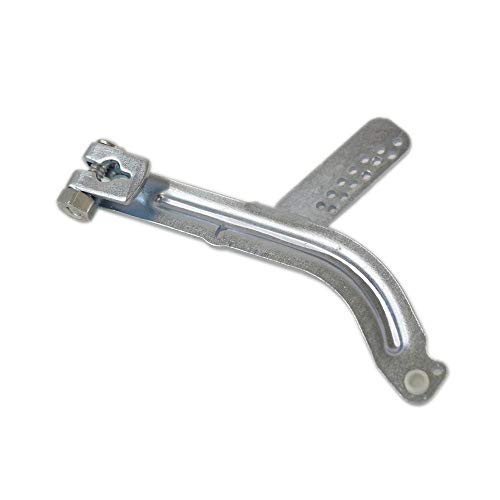 Representative Photo, actual item may vary

 Representative Photo, actual item may vary

 Representative Photo, actual item may vary
 Representative Photo, actual item may vary

 Representative Photo, actual item may vary
Briggs & Stratton 84006512 Stepper Motor Engine Speed Governor Control Module
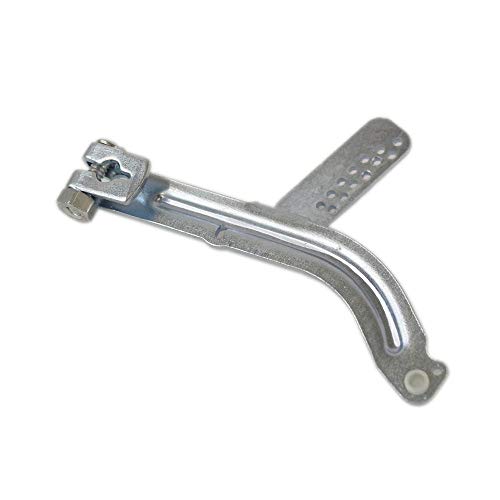 Representative Photo, actual item may vary
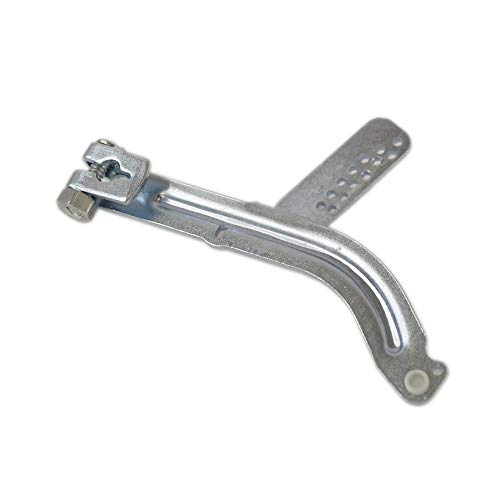 Representative Photo, actual item may vary

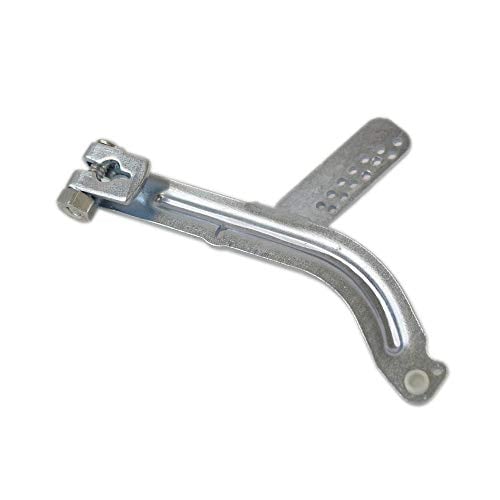 Representative Photo, actual item may vary
 Representative Photo, actual item may vary
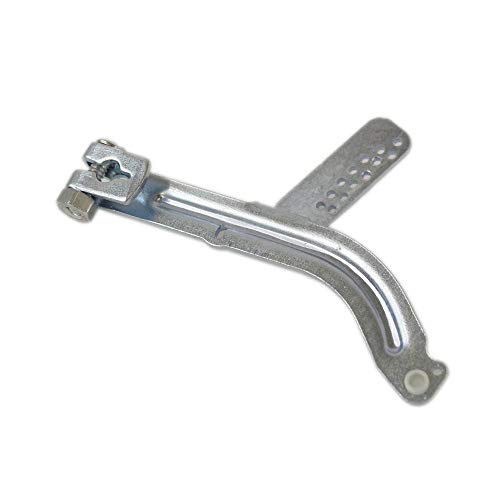 Representative Photo, actual item may vary
 Representative Photo, actual item may vary
Briggs & Stratton 84011122 Stepper Motor Engine Speed Governor Control Module
What Is an Engine Speed Governor Control Module?
Engine speed governor control modules are among the most critical — and often overlooked — components in any small engine system. Engine speed governor control modules serve as the electronic brain of the governor system, continuously monitoring and regulating engine RPM to keep it within a safe, efficient operating range regardless of changing load conditions.
Think of the governor system as a cruise control for your outdoor power equipment. The governor system is like a cruise control system in an automobile — it maintains the engine speed of your lawn mower or outdoor power products. Where a car's cruise control holds highway speed against headwinds and hills, an engine governor holds RPM steady whether you're cutting thick, wet grass or running a generator under a heavy electrical load.
How Does an Electronic Governor Control Module Work?
Modern small engines may use mechanical, pneumatic, or electronic governor systems. The electronic governor control module represents the most precise of these approaches. This system consists of a controller, stepper motor, and in some cases a magnetic pickup — the pickup tells the controller how fast the engine is running, and the controller tells the stepper motor to open the throttle more or less to keep the desired speed.
The module acts as the nerve center of the entire system. An electronic governor uses a magnetic speed sensor to monitor the RPM of the engine, with the sensor continuously feeding information back to the ECM (electronic control module), which then computes all the information sent from other engine sensors to limit engine speed.
Why Does the Governor Control Module Matter?
Small engines, used to power lawn mowers, portable generators, and lawn and garden tractors, are equipped with a governor to limit fuel to the engine to a maximum safe speed when unloaded and to maintain a relatively constant speed despite changes in loading. Without this regulation, an engine could over-rev under light loads, consuming excess fuel and accelerating wear — or bog down and stall under heavy loads.
A failing governor control module can cause noticeable symptoms: a faulty governor system can result in the engine running either too fast or too slow — an engine that runs too slow may have trouble starting or stall at idle, while an engine that runs too fast may suffer from excess heat and a shortened lifespan. Replacing a worn or damaged module restores stable RPM, protects internal engine components, and keeps your equipment performing at its best season after season.
Key Considerations When Buying a Replacement Module
- OEM vs. aftermarket: Original equipment modules are engineered to exact factory specifications for your engine model, ensuring seamless integration with existing sensors and linkages.
- Engine model compatibility: Governor modules are model-specific. Always verify your engine's model, type, and code numbers before ordering.
- System type: Confirm whether your engine uses a purely mechanical governor or an electronic governor system with a dedicated control module — the two require completely different replacement parts.
- Symptoms of failure: Engine surging or hunting, inability to hold a set speed under load, and erratic throttle response are all signs the module may need replacement.
Top Brands for Engine Speed Governor Control Modules
Briggs & Stratton is the leading name in governor control modules for small engines. The Briggs and Stratton electronic governor module is an essential component designed to regulate engine speed automatically, ensuring optimal performance in outdoor equipment. As one of the world's most prolific manufacturers of small engines — powering everything from residential lawn mowers to commercial tillers — Briggs & Stratton offers a comprehensive range of genuine OEM replacement modules built to exact factory specifications for their engine lineup.