


Compression Spring

Suncoast Automotive Performance A01-PR Allison Transmission PR Spring Kit 2001-2010


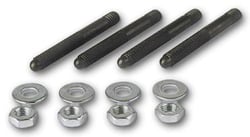



 Representative Photo, actual item may vary


 Representative Photo, actual item may vary
 Representative Photo, actual item may vary

 Representative Photo, actual item may vary

 Representative Photo, actual item may vary


 Representative Photo, actual item may vary
 Representative Photo, actual item may vary

Driver Industrial Safety 51930B Heavy Duty Zinc Plated Barrel Spring Mount for Powered Whips
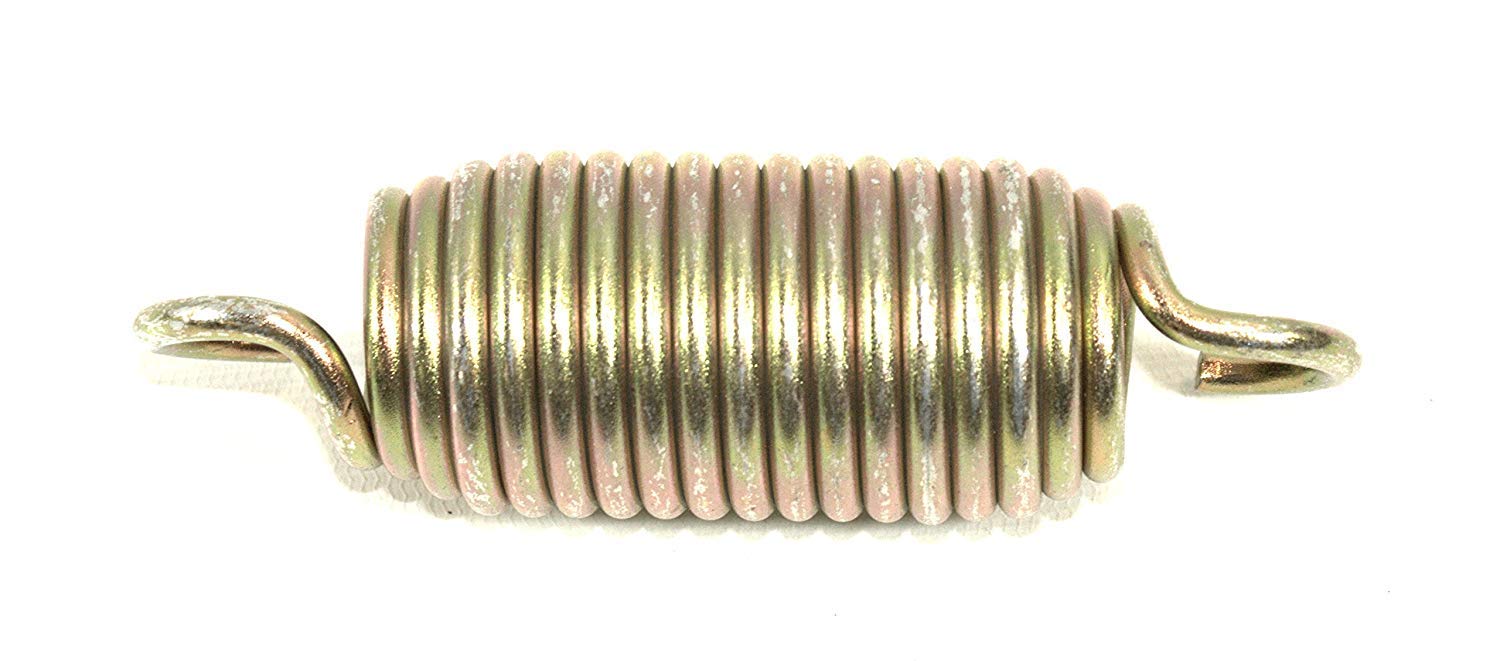 Representative Photo, actual item may vary
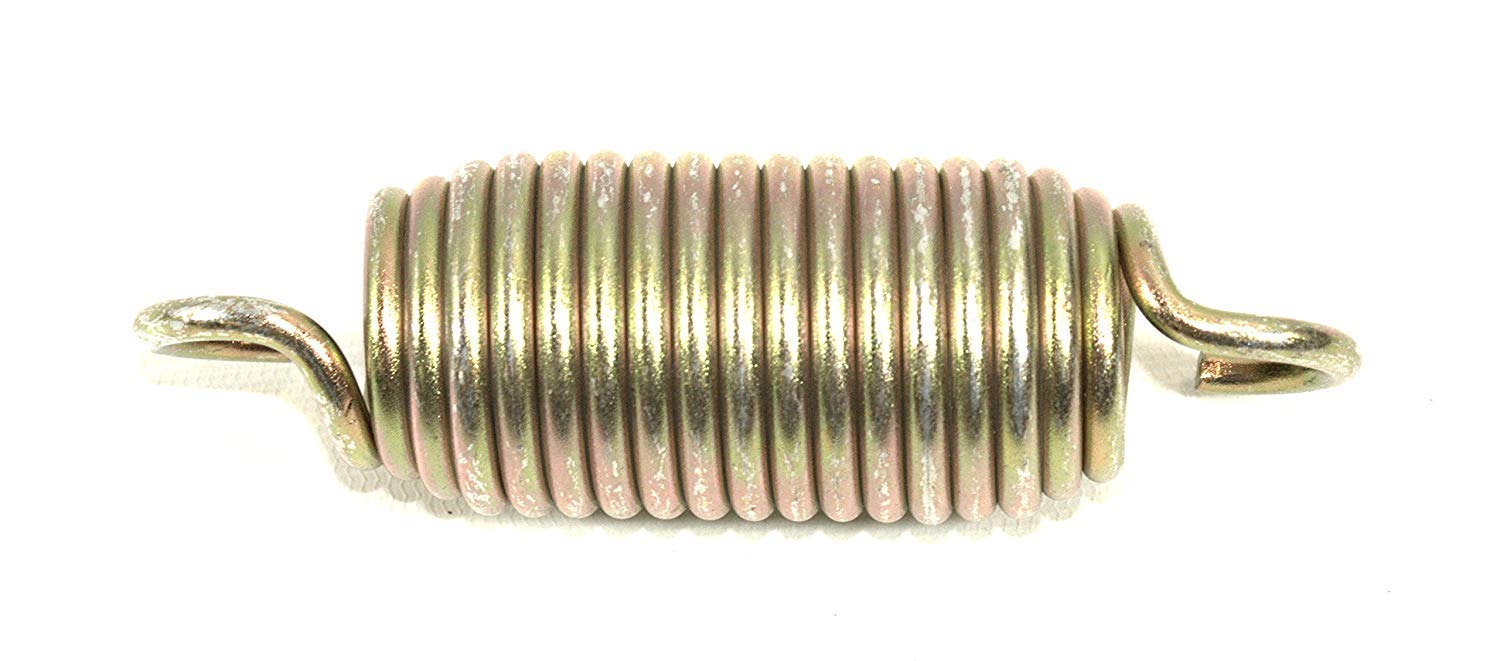 Representative Photo, actual item may vary
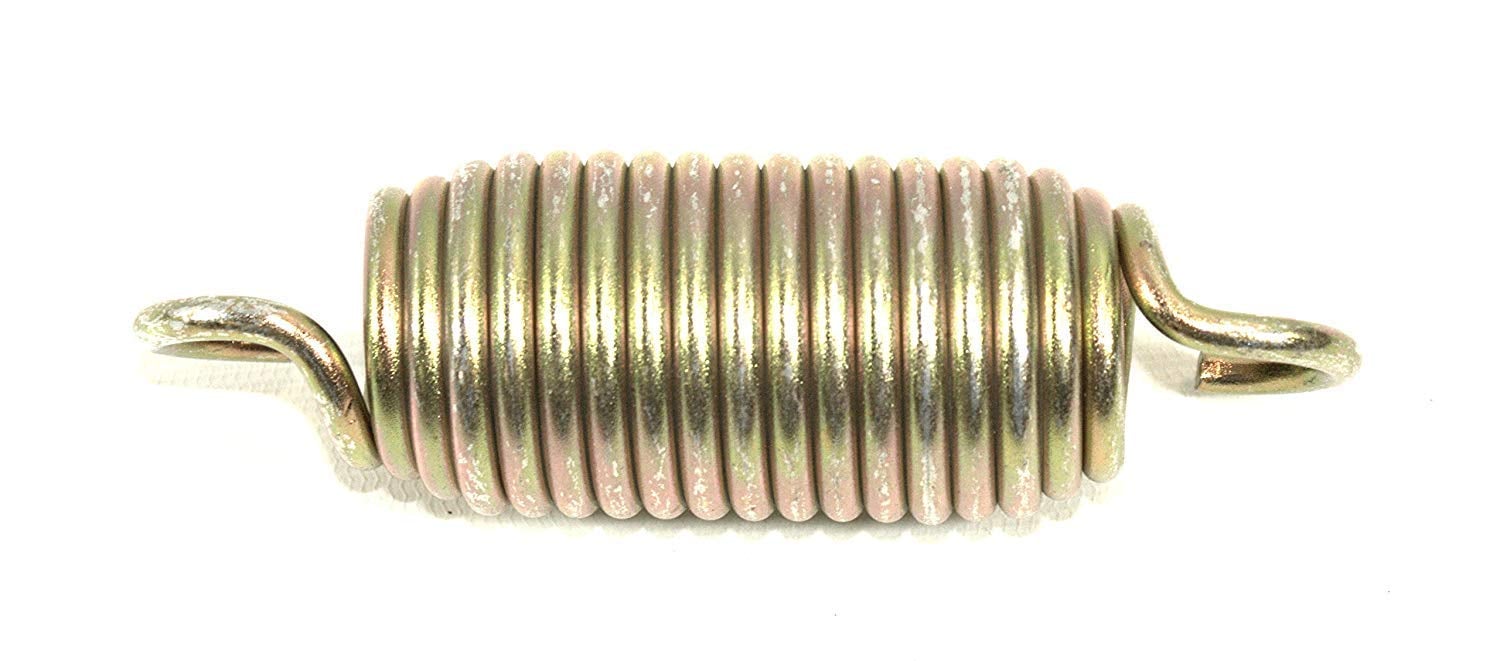 Representative Photo, actual item may vary


 Representative Photo, actual item may vary
 Representative Photo, actual item may vary
 Representative Photo, actual item may vary
 Representative Photo, actual item may vary
 Representative Photo, actual item may vary


 Representative Photo, actual item may vary
 Representative Photo, actual item may vary
 Representative Photo, actual item may vary

 Representative Photo, actual item may vary

 Representative Photo, actual item may vary
 Representative Photo, actual item may vary
 Representative Photo, actual item may vary
 Representative Photo, actual item may vary
 Representative Photo, actual item may vary


 Representative Photo, actual item may vary
 Representative Photo, actual item may vary
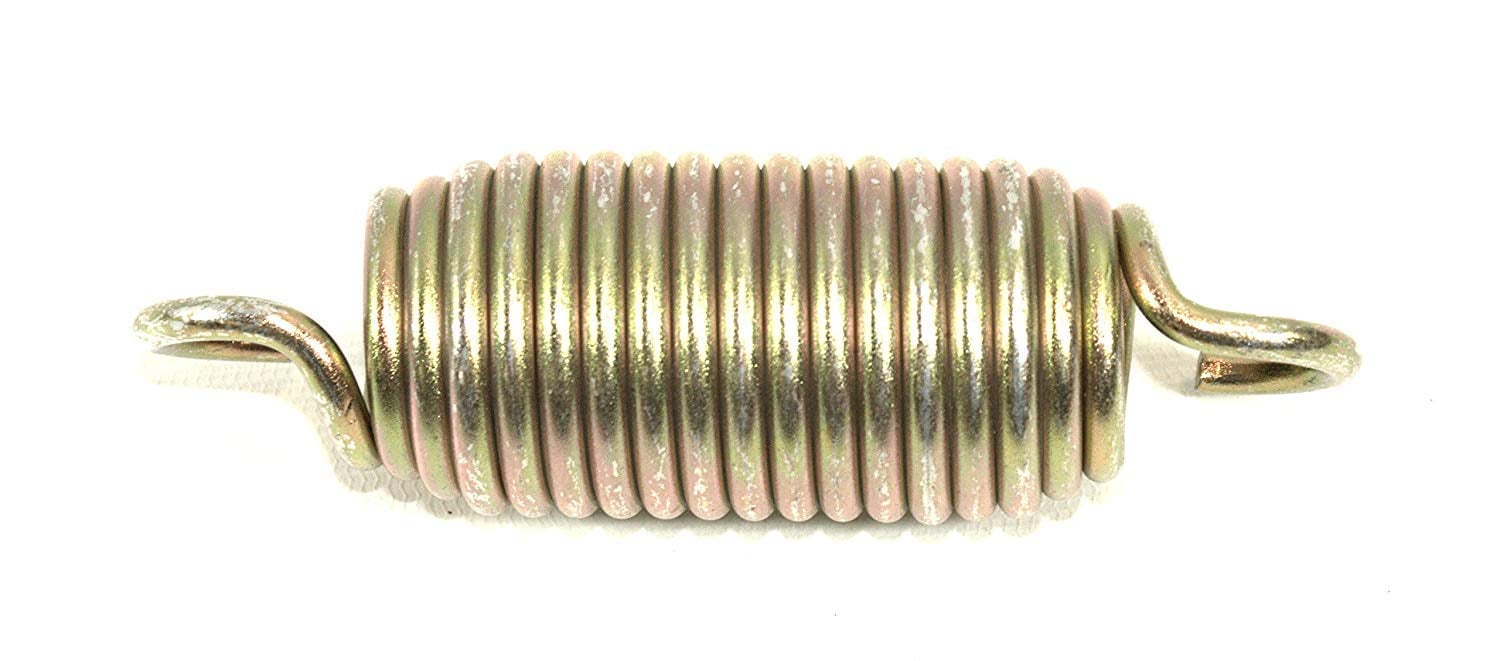 Representative Photo, actual item may vary


Briggs & Stratton 7101434YP Extension Spring Hook Assembly OEM Replacement Part
 Representative Photo, actual item may vary

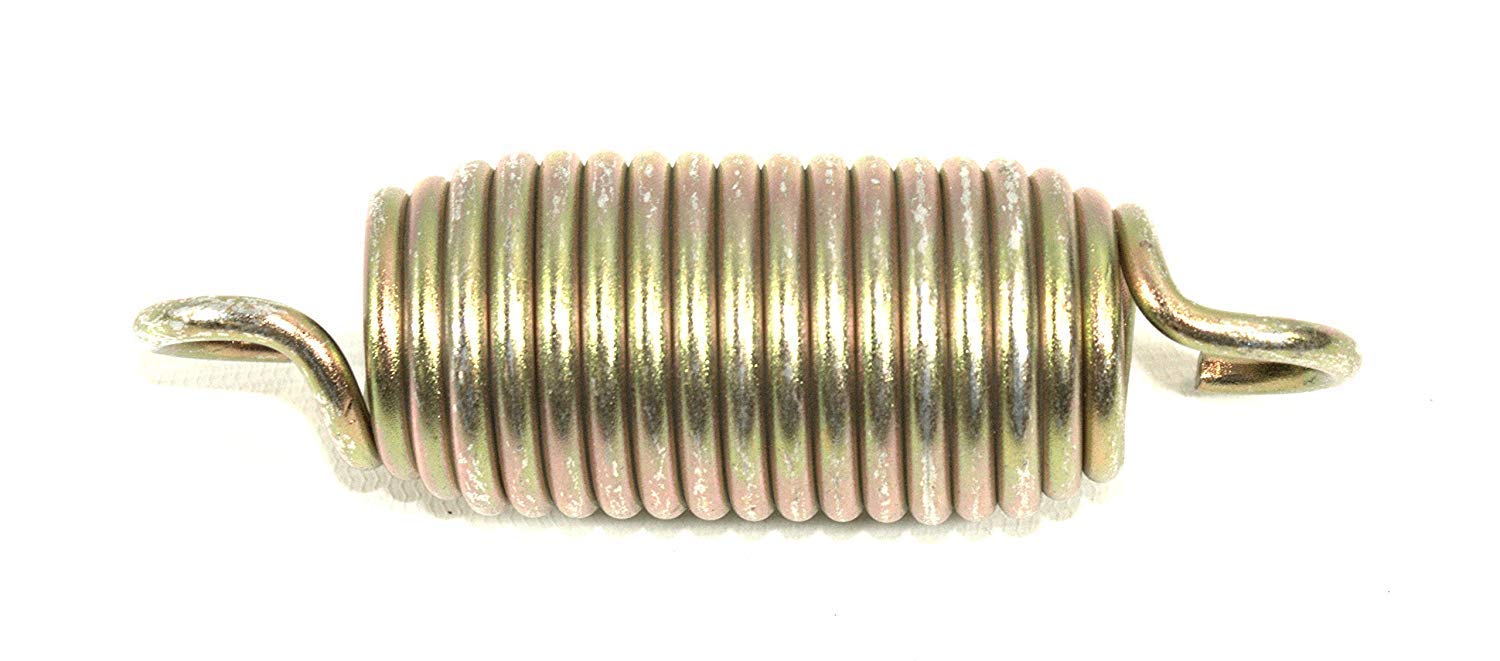 Representative Photo, actual item may vary
 Representative Photo, actual item may vary
 Representative Photo, actual item may vary

 Representative Photo, actual item may vary
 Representative Photo, actual item may vary
 Representative Photo, actual item may vary
What Are Compression Springs and Why Do They Matter?
Compression springs are among the most fundamental mechanical components found in engines, equipment, and hardware across virtually every industry. They store energy when compressed and release it when the applied force is removed, providing controlled pressure, return force, and positional resistance in countless assemblies. Compression springs are helically wound coils that resist a compressive load — and their simplicity belies just how critical they are to reliable machine operation.
They are widely used in applications ranging from simple push buttons and automotive suspensions to complex machinery and medical devices. In the context of outdoor power equipment, small engines, and gas appliance systems, compression springs play a particularly vital role. In automotive and small engine applications, they are crucial in valve mechanisms, clutch systems, and governor controls, contributing to smooth operation and proper engine function.
How Compression Springs Work
Compression springs can serve many functions, but they all work the same way — they are pushed (compressed) by a force, and then extend to their original length once the pushing force is removed. This motion can be manipulated to create a certain outcome or function based on their spring rate, which determines a spring's force or stiffness.
A compression spring comes in many configurations, shapes, and sizes — conical, hourglass, and barrel — and can be used as a shock absorber, vibration damper, pure energy accumulator, or force generator. Compression springs can be manufactured from various materials to meet specific requirements, including stainless steel for corrosion resistance, music wire for high strength, and exotic alloys for extreme temperatures or environments.
What to Look for When Choosing a Compression Spring
- Spring Rate: Determines the stiffness and amount of force applied per unit of compression — match it precisely to the OEM specification for your equipment.
- Free Length & Wire Diameter: Physical dimensions must match the original part to ensure proper fit and function within the assembly.
- Material: Material selection directly impacts the spring's performance, durability, and operating life — stainless steel suits wet environments while music wire handles high-stress cycling.
- OEM vs. Aftermarket: For critical applications like engine governors or gas pressure regulators, genuine OEM springs ensure exact tolerances and compliance with original equipment specifications.
Top Brands for Compression Springs
Briggs & Stratton is the leading brand in this category, offering a wide selection of genuine OEM compression springs engineered for their small engines and outdoor power equipment. Only Briggs & Stratton genuine parts are specially designed to exact OEM standards, manufactured and tested to help deliver optimum performance in Briggs & Stratton engines. Their compression springs are used throughout governor assemblies, valve mechanisms, and equipment controls.
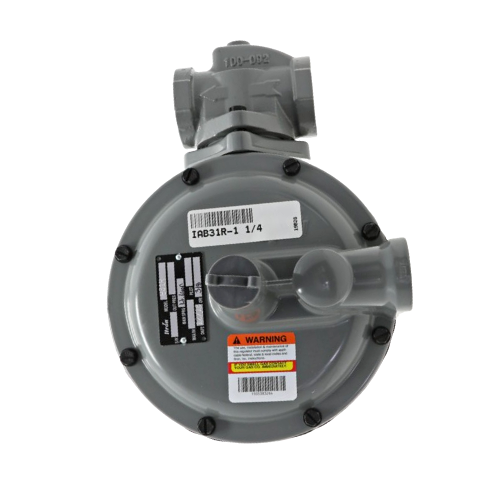
Maxitrol is a trusted name in gas pressure regulation, and their compression springs are purpose-built for use in their line of gas appliance and line pressure regulators. The spring within a Maxitrol regulator determines the allowable range of gas pressure, with different springs providing lower or higher tension to raise or lower the pressure range. Correct spring selection is essential for safe, code-compliant gas system performance.
ProParts rounds out the catalog with aftermarket compression spring options that offer broad compatibility across a range of small engine and outdoor power equipment platforms — a practical choice for service shops managing diverse equipment fleets.
Rotary is a well-established supplier of outdoor power equipment replacement parts, and their compression springs provide a reliable aftermarket alternative for maintaining governor, brake, and throttle systems on popular lawn and garden equipment.