


Air Suspension Compressor Valve
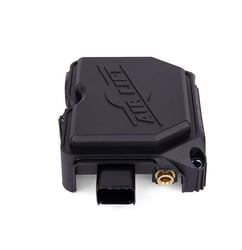



What Is an Air Suspension Compressor Valve?
Modern air suspension systems are marvels of automotive engineering, allowing vehicles to automatically adjust ride height, absorb road impacts, and maintain a level stance under varying loads. At the heart of this system sits a critical but often overlooked component: the air suspension compressor valve, also known as the valve block or solenoid valve unit. Understanding what this part does — and why it matters — can save you from misdiagnosed repairs and costly downtime.
How the Valve Block Works
Air suspension compressor valves serve as the distribution hub for pressurized air within the suspension system. Air spring suspension solenoid valve blocks are responsible for distributing air from the compressor to air suspension struts or air springs. The valve block manages the precise flow of air to each corner of the vehicle, allowing independent adjustment of individual air springs.
The solenoid valves inside the block are electronically controlled, opening and closing on command from the vehicle's ECU (Electronic Control Unit). A four-corner air suspension system typically uses a valve block with six air connections: one for the compressor, four for the individual air springs or struts, and one for the pressure reservoir. This architecture allows each wheel station to be raised or lowered independently for precise leveling and ride control.
Why a Failing Valve Can Cause Big Problems
The valve block is a small but significant component of the air suspension system and should never be overlooked during diagnosis. Because its failure symptoms can closely mimic those of a leaking air spring or a failing compressor, it is one of the most commonly misdiagnosed components in the system. A stuck or leaking valve can drain the system overnight, cause the vehicle to sag on one corner, or keep the car locked at one ride height.
Common warning signs of a failing air suspension compressor valve include:
- Vehicle sagging or leaning to one side, especially after sitting overnight
- The compressor cycling more frequently than usual or running for extended periods
- One corner of the vehicle failing to raise or lower with the others
- Audible hissing near the valve block while the suspension is active
- Dashboard warnings such as "Air Suspension Fault" or "Ride Control Fault"
It's also worth noting that the air suspension pressure sensor is often located inside the valve block itself. If this sensor fails, it can prevent the compressor from receiving its activation signal, causing the entire suspension system to stop building pressure — a symptom that looks exactly like a dead compressor.
What to Look for When Shopping
When replacing an air suspension compressor valve, OE-fit and material quality are the top priorities. VEMO air suspension compressor valves are engineered to original-equipment specifications, making them a reliable choice for European and German-brand vehicles where air suspension systems are especially common. Look for units that include fresh O-ring seals, as aged or dried-out O-rings are a primary cause of air leaks and compressor overwork. Ensuring proper fitment by cross-referencing your vehicle's make, model, and year before purchasing will help guarantee a correct installation and restore full system function.
Top Brands for Air Suspension Compressor Valves
VEMO is a highly regarded German automotive parts supplier known for producing components that meet or exceed original equipment standards. Their air suspension compressor valves are a go-to choice for technicians and enthusiasts working on European vehicles, offering reliable fitment and quality construction that keeps the entire air suspension system functioning as intended.