


Spare Tire Lock







 Representative Photo, actual item may vary


 Representative Photo, actual item may vary


 Representative Photo, actual item may vary




 Representative Photo, actual item may vary
 Representative Photo, actual item may vary
 Representative Photo, actual item may vary
Golden Eagle Manufacturing OGS 1" (250) Ice Racing Screws for Motorcycles and ATVs

 Representative Photo, actual item may vary
The Spare Shield TCS2-BTR Undermount Spare Tire Anti-Theft Cable Protection Device
 Representative Photo, actual item may vary

 Representative Photo, actual item may vary


 Representative Photo, actual item may vary

Quality Hardware 21290 GM Spare Tire Lock Cylinder Housing Retainer & Lock Ring Kit
 Representative Photo, actual item may vary
 Representative Photo, actual item may vary
 Representative Photo, actual item may vary
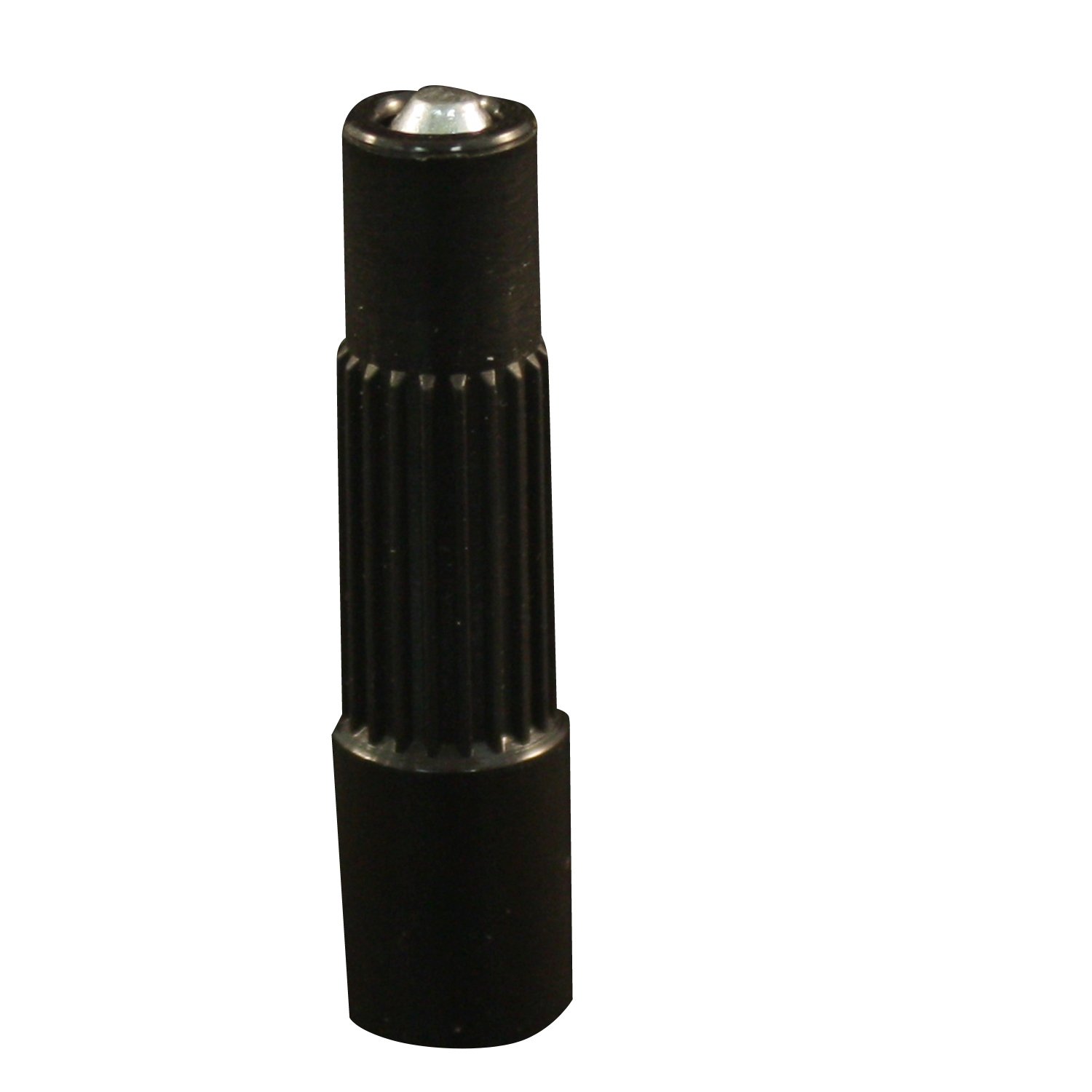
Milton Industries 400-6BK Tire Valve Stem 8-1/4" Extension Saf-T-Flate Rv, Standard Bore - 400-6bk (box Of 20)
 Representative Photo, actual item may vary


 Representative Photo, actual item may vary
Whelen Engineering 8007 Valve Extender Kit with Hoses, Brackets, Retainer Nuts and Caps

 Representative Photo, actual item may vary
 Representative Photo, actual item may vary




 Representative Photo, actual item may vary


Valterra TM22306VP TireMinder Braided Steel Valve Extender Kit for 22" Aluminum Dually Wheels 4-Pack


 Representative Photo, actual item may vary


WheelMaster 8208 Stainless Steel Wheel Cover Mount 4 Hose Valve Extension Kit 16-19.5 Inch


 Representative Photo, actual item may vary


 Representative Photo, actual item may vary
 Representative Photo, actual item may vary

 Representative Photo, actual item may vary
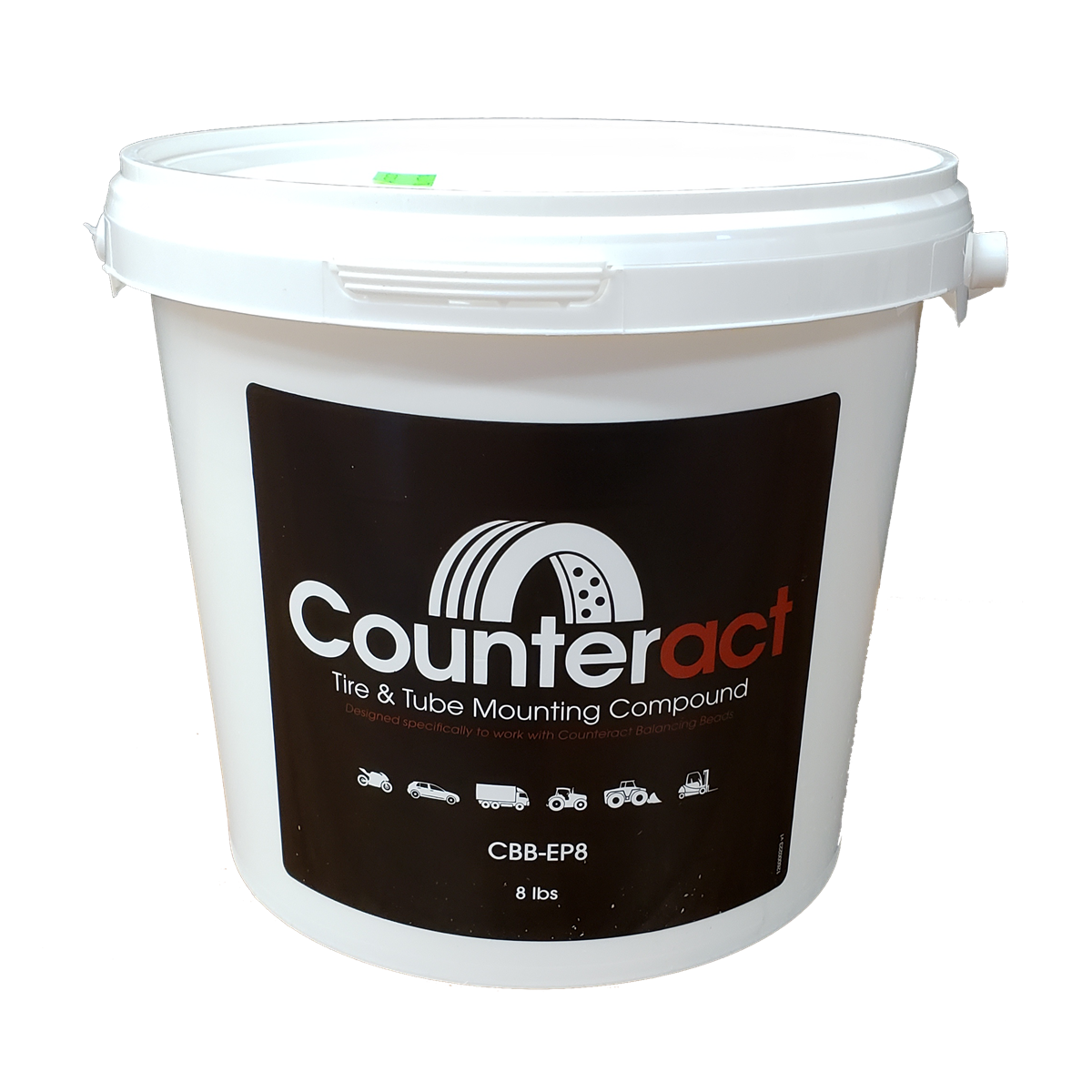
Counteract DIYTK4-2PK DIY Tire Balancing Beads Kit 4oz for Trailers and RVs (2 Pack)


Infinite Rule Security 61100-S Spare Tire Carrier Lock For Wilco Offroad Hitchgate

What Is a Spare Tire Lock?
A spare tire lock is a dedicated security device designed to prevent your spare tire and wheel from being stolen. Unlike your mounted wheels, a spare tire is often stored in a more exposed and accessible location — whether slung beneath a truck bed, bolted to a rear liftgate, or mounted on a trailer — making it an easy target for opportunistic thieves. A spare tire lock adds a critical layer of deterrence that standard lug nuts simply cannot provide.
Why Spare Tire Theft Is a Real Concern
Spare tires — especially full-size alloy spares on pickup trucks, SUVs, and trailers — carry significant resale value. Vehicles that carry their spare underneath the body, like many full-size trucks and mid-size pickups, are particularly vulnerable because the lowering mechanism can be engaged quickly by anyone with the right tools. Spare tire locks block that access, requiring a keyed insert or locking hardware before the spare can be removed or lowered.
Exposed rear-mount spares on Jeeps, off-road rigs, and boat or utility trailers face a similar risk. Without a dedicated lock, removing a spare from a carrier can take a thief less than a minute. A quality lock raises the difficulty and time required to steal the tire, which is often enough to send a would-be thief elsewhere.
Types of Spare Tire Locks
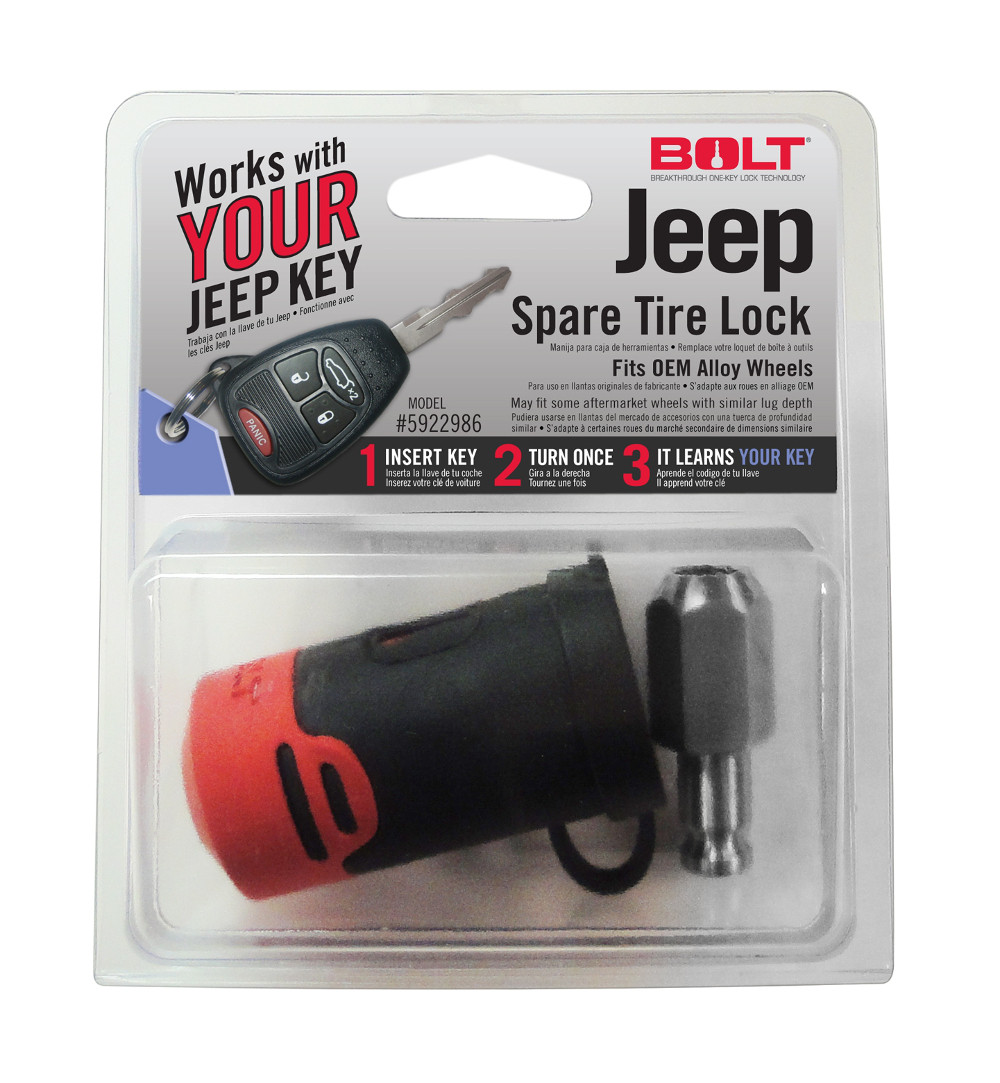
- Lug-Style Locks: These replace or overlay one or more of the lug nuts on the spare wheel. They use a keyed or uniquely coded pattern so a standard socket cannot engage them. They work well for rear-mount spares on SUVs, Jeeps, and trailers.
- Cable Locks: A heavy-duty steel cable threads through the wheel rim and attaches to a fixed point on the vehicle or trailer frame. Cable locks are versatile and widely compatible with a range of vehicle types, from pickup trucks to motorhomes and boat trailers.
- Carrier Mechanism Locks: Designed for trucks with under-bed spare carriers, these locks install inside the lowering mechanism's access tube. They require a specially coded insert or key to engage the winch, preventing the spare from being lowered without authorization.
- Plate or Clamp Locks: These fit over the wheel's lug pattern using a hardened steel plate, securing the tire directly to the carrier. Many are designed for universal fitment across common lug patterns used on trailers and work vehicles.
What to Look for When Shopping
The most important factor when choosing a spare tire lock is fitment. Check your wheel's lug thread size, stud diameter, and carrier type before purchasing. Locks are commonly specified by thread size (such as 1/2"-20) or by the range of stud diameters they accommodate. Many are designed to fit standard steel rims in common sizes for trailers, while others are vehicle-specific for trucks or Jeeps.
Material and weather resistance also matter. Stainless steel construction and sealed lock cores help prevent rust and corrosion, especially important for under-bed or exterior-mounted spares exposed to road grime, water, and temperature extremes. Look for locks with dust caps or O-ring seals to maintain smooth operation over time.
Finally, consider key control. Some systems use high-security tubular or coded keyways that resist picking and cannot be easily duplicated at a hardware store — an important feature if you want long-term peace of mind.
Who Needs a Spare Tire Lock?
Any driver who carries a full-size spare in an exposed location should consider a spare tire lock. They're especially popular among pickup truck owners, Jeep enthusiasts, trailer towers, RV travelers, and commercial vehicle operators. Whether you're parked overnight at a trailhead or leaving your utility trailer in an unsecured lot, a spare tire lock is a small investment that protects a component you'll badly need if you ever get a flat.