


Cooling System Filter











Sinister Diesel SDCF67P11 Coolant Filtration System with CAT Filter for 6.7L Powerstroke (Engine Mount)
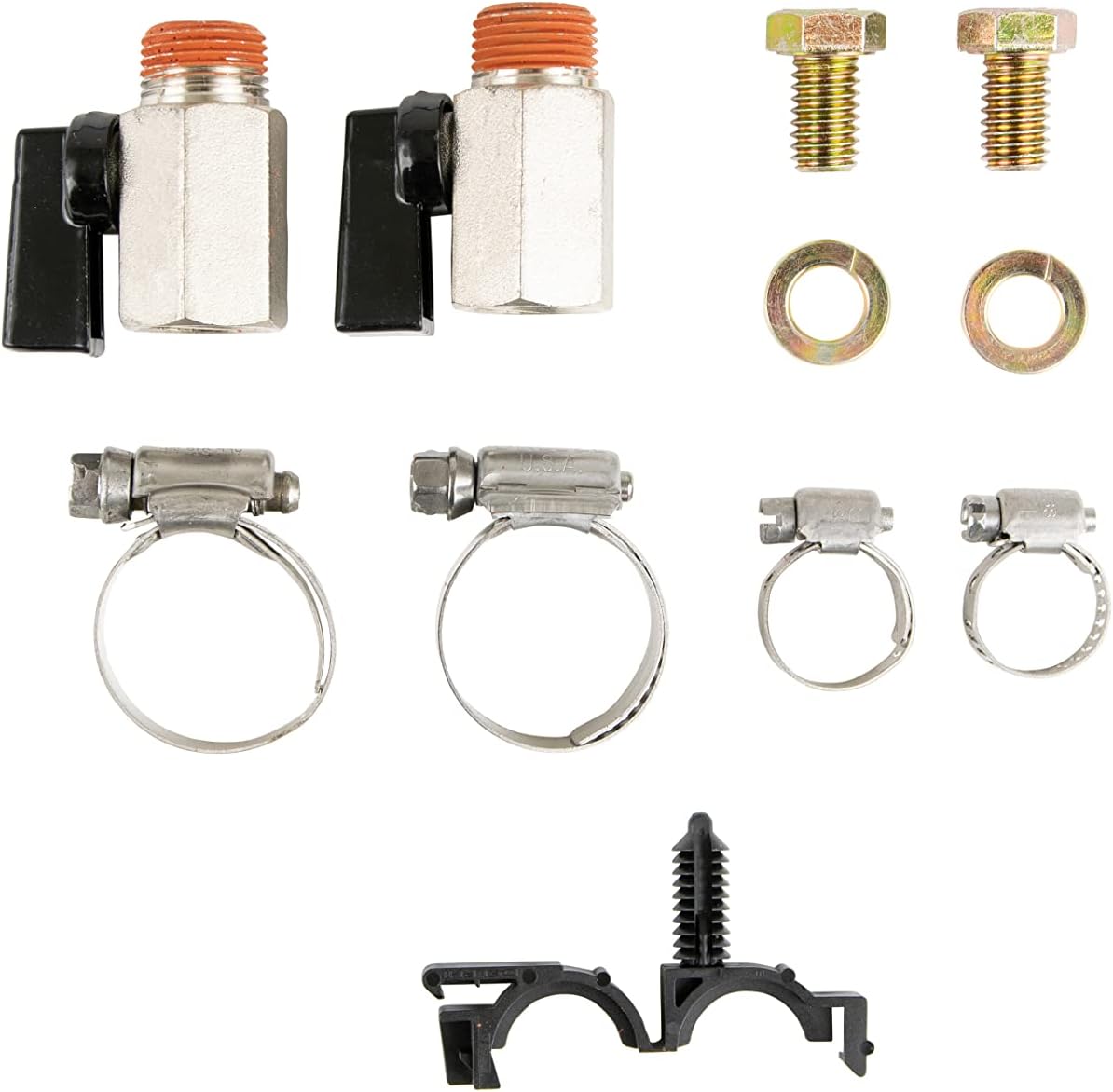 Representative Photo, actual item may vary
Sinister Diesel SD67CCF190120 Coolant Filtration System for 6.7L Cummins 2019
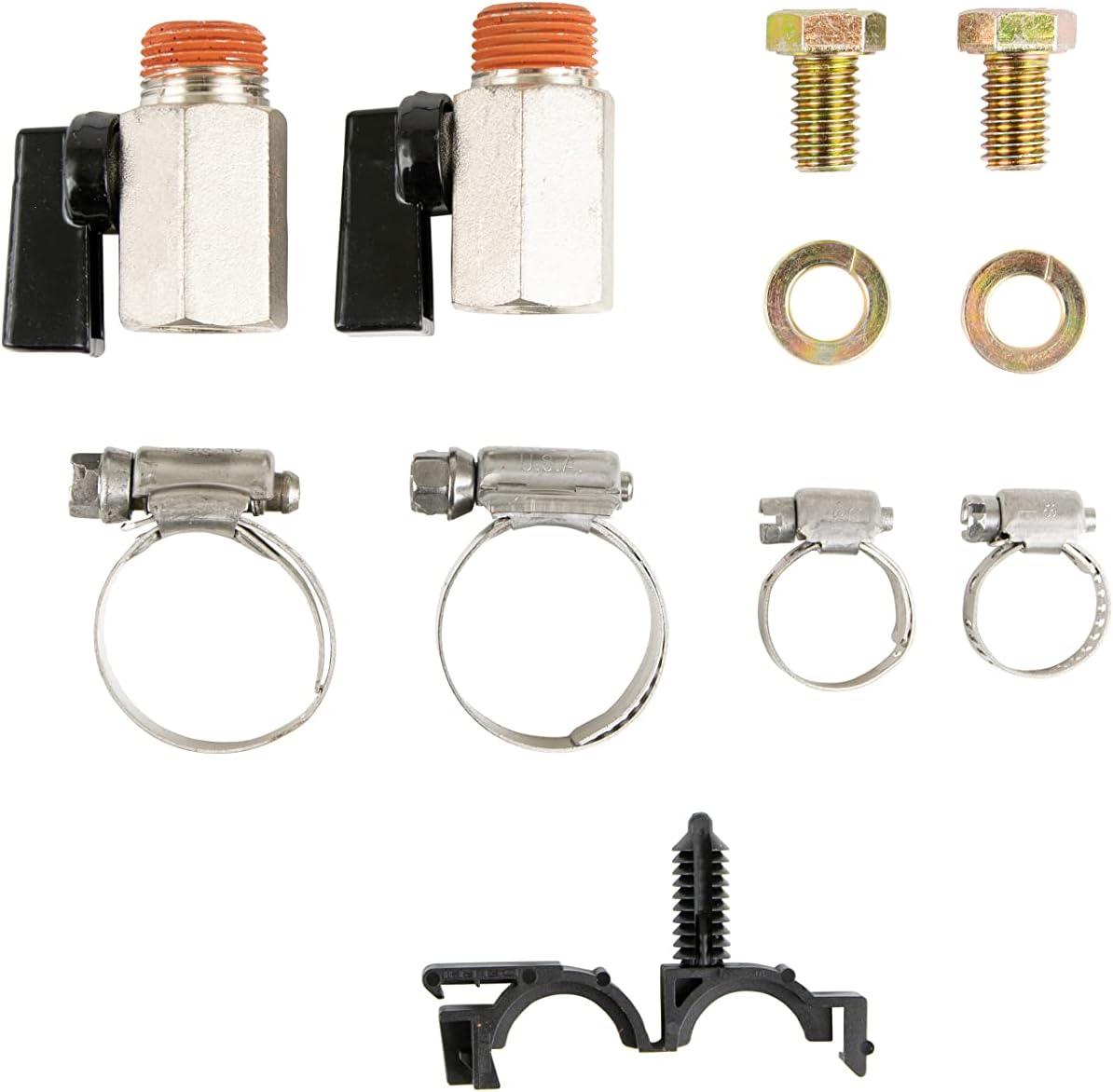 Representative Photo, actual item may vary
Sinister Diesel SD-6.7CCF13-01-20 Coolant Filtration System for 6.7L Cummins
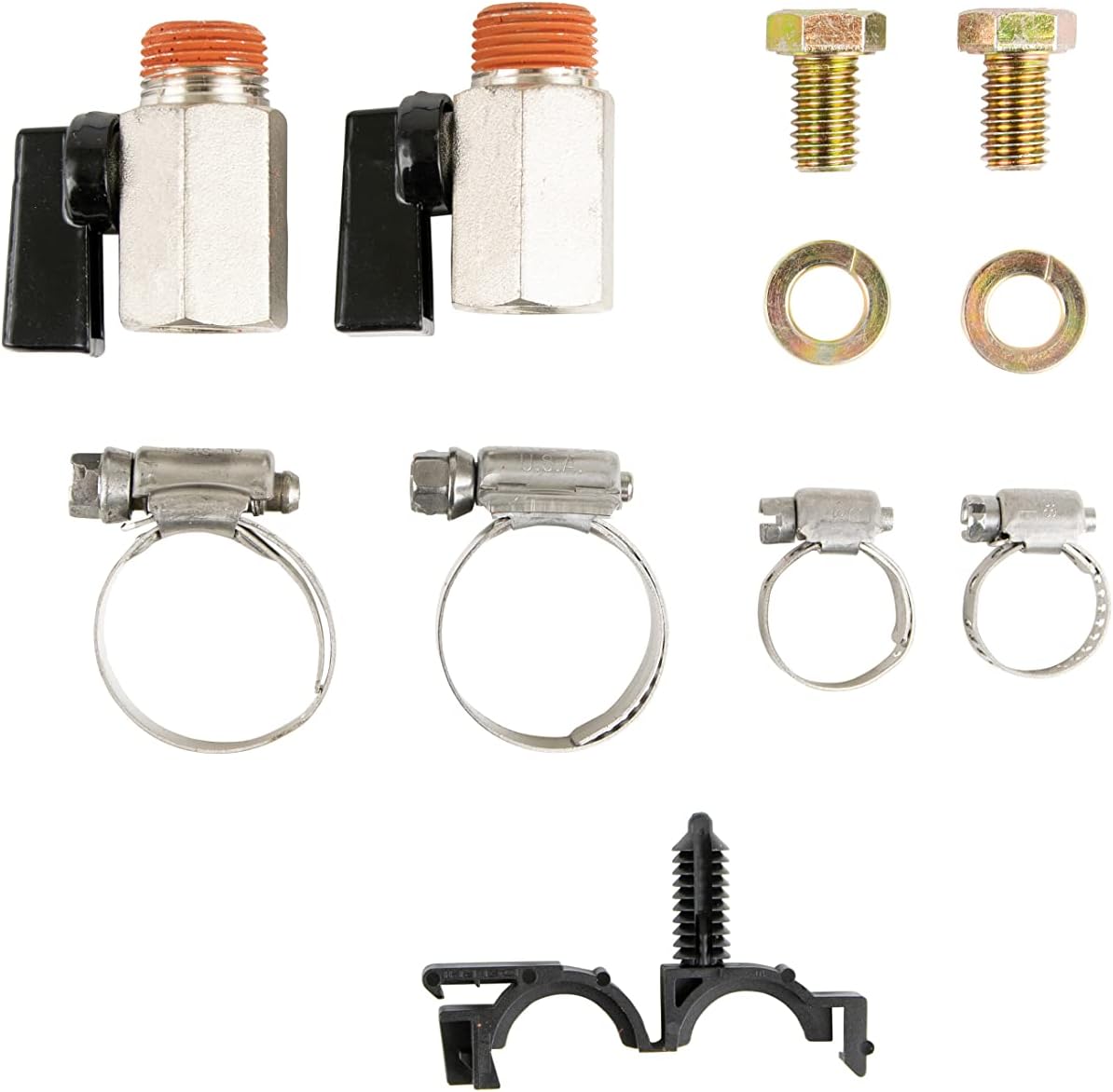 Representative Photo, actual item may vary
Sinister Diesel SDCFL5P20 Coolant Filtration Bypass System with WIX Filter for GM Duramax L5P 6.6L

Sinister Diesel SDCF67P20 CAT Filter Coolant Filtration System for 6.7L Powerstroke

Sinister Diesel SDLMLCF11 Coolant Filtration System with WIX Filter for 6.6L LML Duramax


 Representative Photo, actual item may vary


Cummins Filtration WF2127 Fleetguard Coolant Water Filter for Cummins ISX Engines


Mishimoto MMCFK-XD-16BK Coolant Filter Kit for Nissan Titan XD 5.0L Cummins



Sinister Diesel SD60CF030120 Coolant Filtration System for 6.0L Powerstroke with WIX Round Filter
What Is a Cooling System Filter?
A coolant filter is designed to remove impurities and contaminants from the coolant liquid that circulates through your vehicle's engine and cooling system — the liquid also known as antifreeze that is responsible for regulating the engine's temperature and preventing overheating. As coolant flows through the system, it can pick up debris, rust, and corrosion, which can compromise its effectiveness and even cause damage to the engine.
Why Cooling System Filtration Matters
It is estimated that up to 40% of vehicles are immobilized due to a cooling system failure — a figure that increases when focusing solely on vehicles with diesel engines, which emit more heat. The maintenance of the cooling system is therefore essential for the proper functioning of the engine.
Fifty-three percent of all catastrophic, premature diesel engine failures are directly related to improper cooling system maintenance techniques and habits. Even in gasoline engines, contaminants accumulate over time. As pieces of gasketing materials and sealants begin to wear and break away, as water pump bearings and shafts deteriorate, as coolant-borne minerals calcify, and as rubber hoses deteriorate and deposits shake loose, a variety of materials can head toward and eventually plug up the tiny passages that make up the radiator's core.
How a Coolant Filter Works
An efficient coolant filter has a double action: it ensures the cleanliness of the coolant by filtering out any impurities that may be present, and it allows the gradual release of the additives it contains, which are essential to ensure the continued proper functioning of the cooling system and thus guarantee the protection of the engine.
Cooling systems are a closed circuit from the water pump to the engine to the radiator. Coolant filters are by-pass type filters — they take a portion of the pump output and direct it through the coolant filter, which in most cases has an orifice to control the flow.
Types of Cooling System Filters
Coolant filters are mostly composed of cartridge or spin-on designs, with spin-on designs most commonly found in diesel engine cooling systems. There are several key varieties to know before purchasing:
- Pre-charge filters — These contain an adequate amount of coolant additive to charge the cooling system at first, allowing depletion to the first service interval.
- Spin-on / charged filters — Standard filters containing enough chemical additives to maintain cooling systems between the service intervals.
- Blank (additive-free) filters — These contain no chemical additive and can be used with cooling systems maintained by liquid additive, systems using long-life coolants which require no additive, or on overcharged systems to bring additive levels back to normal. Blank filters are not intended for use with water-only systems.
- Inline filters — These prevent dirt, rust, and debris in your engine from getting into your radiator and possibly clogging up the small passages.
Key Considerations When Shopping for a Cooling System Filter
It is important to know which type of coolant is in your radiator and match it to the correct coolant filter. Standard coolant typically requires charged coolant filters with supplemental coolant additives (SCA), while long-life organic acid technology (OAT) coolants use filters that remove contaminants but do not carry a chemical charge.
A mechanical coolant filter helps control the pH, flow rate, and boiling point of the coolant while permitting the use of a fully formulated, premixed, lifetime coolant. Using the correct filter is important to maintain the proper balance and prevent over-concentration or under-concentration, which can lead to corrosion, liner pitting, and other system problems.
The benefits of proper coolant filtration extend well beyond a clean radiator: a well-maintained coolant system helps prevent corrosion and damage to extend engine lifespan, reduces the need for costly repairs and replacements, and can even improve fuel efficiency by allowing the engine to run at optimal temperatures. Whether you drive a daily commuter, a high-mileage work truck, or a performance build, a cooling system filter is a straightforward, cost-effective safeguard for one of your engine's most critical systems.