


Engine Valve Spring Compressor



Proform Parts 66832 Heavy Duty Manual Valve Spring Compressor Tool

OTC Tools 6670 Valve Spring Compressor with Adapters for In-Vehicle Valve Train Service



Jims Tools 5835 On-Bike Valve Spring Compressor Tool for Milwaukee-Eight M8 Engines



LSM Racing Products SC-800 On-Head Valve Spring Compressor for 7/16" Stud Mount Rocker Systems

Proform Parts 66784 Valve Spring Compressor Tool for 3/8 and 7/16 Inch Rocker Studs

COMP Cams 5323 Shaft Mount Valve Spring Compressor for Chrysler 318-360 W2 3.3L V6





Proform Parts 66848 Engine Valve Spring Compressor, Economy Stud Mount Type





Performance Tool W89409 Heavy Duty Valve Spring Compressor with Small and Large Jaws

LSM Racing Products FH-200BL Dual Feeler Gauge Holder - Blue Anodized Aluminum 3 Inch


 Representative Photo, actual item may vary


Torque Solution TS-TL-712 Valve Spring Compressor Tool for Subaru EJ Turbo Heads


 Representative Photo, actual item may vary


 Representative Photo, actual item may vary

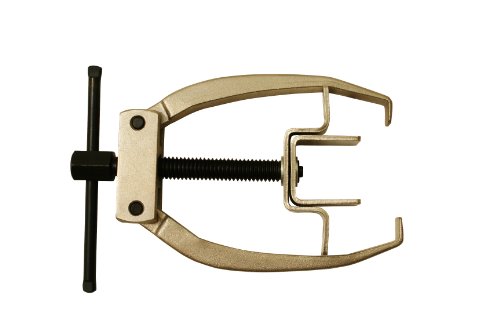 Representative Photo, actual item may vary


LSM Racing Products SC-200Base Replacement Valve Spring Compressor Base for 5/16" Shaft Rockers


 Representative Photo, actual item may vary


 Representative Photo, actual item may vary
 Representative Photo, actual item may vary
 Representative Photo, actual item may vary
COMP Cams POW352003 Valve Spring Compressor Tool for Dodge HEMI 5.7L 6.1L 6.2L 6.4L
 Representative Photo, actual item may vary

 Representative Photo, actual item may vary

 Representative Photo, actual item may vary


 Representative Photo, actual item may vary


 Representative Photo, actual item may vary

- 1
- 2
What Is an Engine Valve Spring Compressor?
Engine valve spring compressors are specialized tools that belong in every serious engine builder's toolbox. Valve springs are held in place by their own tension, and they must be compressed before the retainers and keepers can be removed — making this tool an absolute necessity for cylinder head work. Without one, accessing valve stem seals, replacing springs, or performing a full valve job would be, at best, an extremely difficult task and, at worst, an impossible one.
How Does a Valve Spring Compressor Work?
An engine valve spring compressor is a specialized tool used to compress the valve spring in an internal combustion engine. The valve spring is responsible for closing the engine's valves and providing tension against valvetrain components. When servicing the engine — such as replacing valve stem seals or valve springs — it is necessary to compress the spring to gain access to these components. The tool is typically mounted onto the rocker arm stud, and the arms are tightened to compress the spring, allowing the mechanic to remove the spring retainers and keepers, and then release the tool to allow the spring to return to its original position.
Types of Valve Spring Compressors
Choosing the right compressor depends on your specific application and how you prefer to work:
- Stud-Mount (On-Engine): Designed for use while the cylinder head remains bolted to the engine. These tools mount directly to the rocker arm stud and are popular for performance engines that require frequent valve spring changes.
- C-Frame (Head-Off): The most common type, shaped like a large "C" with a manually operated lever. Works well for most stock automotive cylinder heads when the head is on the workbench.
- Pneumatic (Air-Powered): Uses compressed air to do the heavy lifting, making it the preferred choice for high-volume shop work or heavy-duty performance springs.
- Platform/Direct-Mount: Engine-specific tools engineered for modern overhead-cam platforms like GM LS, GM Gen V LT, and Dodge HEMI, allowing spring removal without pulling the cylinder heads.
What to Consider When Shopping
Before purchasing a valve spring compressor, consider whether the cylinder head will be on or off the engine during your work. From there, match the tool to your rocker stud size — typically 3/8" or 7/16" thread — and confirm that the tool is rated for the spring pressures your application demands. High-performance and racing engines may run valve springs in excess of 700 lbs. of seat pressure, requiring heavy-duty steel construction and more mechanical advantage than a basic C-clamp-style tool can deliver.
Top Brands in Engine Valve Spring Compressors
Proform Parts offers one of the widest selections of valve spring compressor tools on the market, covering everything from stud-mount on-engine designs and pneumatic air-operated models to platform-specific tools for GM LS and Gen V LT engines. Their tools are built from high-quality steel and are engineered to handle valve springs rated up to 700 lbs., making them a go-to choice for both DIY enthusiasts and professional builders.
COMP Cams brings its deep valvetrain expertise directly to its compressor tool lineup. Their valve spring compressors let you work with one or two valve springs at a time, without the hassle of removing the rocker stand or installed rocker arms — a significant time-saver on shaft-mount rocker setups and late-model performance engines alike.