


Honing Stone


GearWrench 2833D Replacement Stones for Engine Cylinder Hone 100 Grit 3-Piece Set

 Representative Photo, actual item may vary



 Representative Photo, actual item may vary
Shark Industries 39560 Ammco Style Engine Honing Stones 3.5" x 0.5" 320 Grit Aluminum

Shark Industries 39530 Ammco Style Engine Honing Stones 3-1/2" x 1/2" 60 Grit 4-Piece Kit
 Representative Photo, actual item may vary


 Representative Photo, actual item may vary


 Representative Photo, actual item may vary

 Representative Photo, actual item may vary


 Representative Photo, actual item may vary
 Representative Photo, actual item may vary


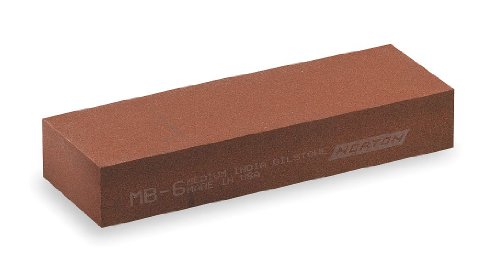 Representative Photo, actual item may vary

 Representative Photo, actual item may vary
 Representative Photo, actual item may vary


- 1
- 2
What Are Honing Stones and Why Do They Matter?
Honing stones are abrasive tools used to refine the interior surface of a cylindrical bore to precise dimensional tolerances and surface finish specifications. Honing stones are the heart of any serious engine rebuilding or machining operation — without them, achieving the exact crosshatch pattern and surface geometry that cylinder walls demand simply isn't possible.
At their core, honing stones work by removing minute amounts of metal from a bore's interior surface. As Sunnen's own educational resources explain, honing is a final finishing operation conducted on the inside of a cylinder — typically an automotive engine block — where abrasive stones remove tiny amounts of material to tighten tolerances on cylindricity and surface finish. This controlled material removal is what distinguishes honing from rough boring: it's about precision, not bulk stock removal.
Why the Right Honing Stone Makes All the Difference
Cylinder walls need a very specific surface texture to function correctly. At a microscopic level, a properly honed bore features a series of peaks and valleys. The valleys act as oil reservoirs, holding a thin film of lubricant that reduces friction between the cylinder wall and piston rings. The peaks provide the load-bearing surface that the rings ride on. Get the finish wrong — too rough or too smooth — and the consequences include accelerated wear, poor ring seal, excessive oil consumption, and reduced engine longevity.
Honing stones are available in a range of abrasive types and grit levels, each suited to a different stage of the process or a different cylinder material. Silicon carbide and aluminum oxide stones have long been staples for power honing machines, valued for their flexibility and cost-effectiveness. For production rebuilders and performance shops demanding faster stock removal and longer stone life, diamond and CBN (cubic boron nitride) abrasives have become increasingly popular. Diamond honing stones, for instance, can hone far more cylinder bores before requiring replacement than conventional vitrified abrasives — making them highly economical for high-volume applications despite their higher upfront cost.
Grit selection is equally critical. Ring manufacturers and engine builders follow specific grit recommendations depending on ring material: conventional cast iron or chrome rings, moly-faced rings, and steel rings each call for different surface finish targets, measured in microinch Ra values. Choosing the wrong stone for the ring package can lead to poor break-in, excessive blow-by, or premature failure.
Sunnen – The Industry Standard in Honing Abrasives
Sunnen honing stones are the benchmark against which all other honing abrasives are measured. Founded in 1924 in St. Louis, Missouri, Sunnen Products Company grew from founder Joe Sunnen's early innovation — including the first manual cylinder hone he designed in 1928 — into a global leader in bore sizing and finishing technology with subsidiaries across 14 countries. Today, Sunnen delivers honing machines, tools, and abrasives used in applications ranging from performance engine rebuilding to aerospace component manufacturing. Their honing abrasives are engineered to work with Sunnen's own machine systems as well as other honing equipment, covering a vast range of bore sizes, grit specifications, and bond types — including aluminum oxide, silicon carbide, diamond, and CBN formulations.
Key Considerations When Choosing a Honing Stone
- Abrasive Type: Conventional vitrified stones (silicon carbide, aluminum oxide) offer versatility; diamond and CBN stones provide longer life and faster cutting in high-volume or hard-material applications.
- Grit Level: Match grit to your ring type and desired Ra finish. Coarser grits for rough stock removal; finer grits for final finishing and plateau honing.
- Bore Size Range: Honing stone sets are designed for specific diameter ranges — always verify that the stone set matches your bore dimensions.
- Machine Compatibility: Stones must be compatible with your honing mandrel and machine tooling system.
- Material Being Honed: Cast iron, aluminum, hardened steel, and Nikasil-coated bores each respond differently to abrasive type and bond hardness.