


Intercooler Core




Vibrant 12840 Air-to-Air Intercooler Core 27.5" x 9.85" x 4.5" Bar & Plate 900HP













 Representative Photo, actual item may vary
 Representative Photo, actual item may vary
 Representative Photo, actual item may vary
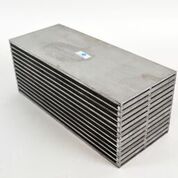 Representative Photo, actual item may vary


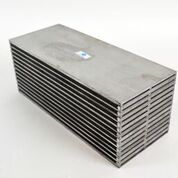 Representative Photo, actual item may vary
 Representative Photo, actual item may vary


What Is an Intercooler Core?
At the heart of every forced-induction cooling system is the intercooler core — the finned heat-exchanger element responsible for stripping excess heat from compressed intake air before it reaches the combustion chamber. Heat is the single biggest enemy of performance in turbocharged and supercharged engines. When a turbo or supercharger compresses incoming air, it can raise charge temperatures dramatically, and hot air is less dense, which means less oxygen per combustion cycle, reduced power, and a greater risk of engine-damaging detonation. The intercooler core solves this by acting as a radiator for the intake charge: ambient air (or coolant, in water-to-air designs) flows through the core's fins, absorbing heat from the pressurized charge air passing through the internal passages. The result is cooler, denser air entering the engine — unlocking more power, better fuel efficiency, and improved engine reliability.
Core Designs: Bar-and-Plate vs. Tube-and-Fin
Not all intercooler cores are built the same. The two dominant construction styles are tube-and-fin and bar-and-plate. Tube-and-fin cores are lighter but generally offer lower cooling capacity and are more susceptible to physical damage under high-boost conditions. Bar-and-plate cores, on the other hand, use alternating sealed bars and fins that create robust internal channels — delivering significantly better heat dissipation and structural strength, making them the preferred choice for performance and racing applications. When shopping for an intercooler core, key factors to evaluate include core dimensions (width, height, and thickness), fin density, flow direction (horizontal or vertical), pressure drop characteristics, and whether the unit supports air-to-air or water-to-air cooling. A larger core offers more surface area for heat transfer, but can introduce more pressure drop and added turbo lag if oversized for the application.
Why Upgrade to an Aftermarket Intercooler Core?
OEM intercooler cores are engineered for the factory power level and typical driving conditions. As soon as you start pushing more boost, adding supporting modifications, or tracking your vehicle, the factory core can become the limiting factor. An upgraded aftermarket core can handle higher boost pressures, resist heat soak during sustained high-load driving, and support significantly higher horsepower targets. Custom fabricators often source bare intercooler cores to build bespoke intercooler assemblies tailored to specific chassis constraints and power goals — making a wide range of core sizes essential.
Top Intercooler Core Brands
Vibrant Performance is a top choice among performance fabricators, offering both horizontal and vertical flow air-to-air intercooler cores as well as water-to-air units. Vibrant's cores feature bar-and-plate construction in T6061 aluminum with a louvered fin design on the ambient path to maximize surface area, and an offset fin design on the charge path to minimize pressure loss — a combination designed for maximum thermal efficiency in custom turbo builds.
Mishimoto brings its renowned quality standards to a wide lineup of universal race intercooler cores. Built with robust bar-and-plate construction and shipped in a raw finish ready for custom fabrication and powder coating, Mishimoto cores are strictly quality-controlled for high-boost durability and are backed by the brand's industry-leading Lifetime Warranty — giving builders long-term peace of mind on every custom project.
CSF rounds out the lineup with its reputation for precision heat exchanger engineering. Known throughout motorsport for high-performance radiator and cooling technology, CSF applies the same exacting standards to its intercooler core offerings, making them a respected option for builders who demand competition-grade thermal management.