


Cabin Air Temperature Sensor


 Representative Photo, actual item may vary

 Representative Photo, actual item may vary


 Representative Photo, actual item may vary
 Representative Photo, actual item may vary



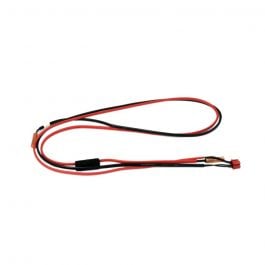 Representative Photo, actual item may vary
Mitsubishi Electric Automotive U01A11308 OEM Room Temperature Thermistor for Mini-Split HVAC Systems


 Representative Photo, actual item may vary

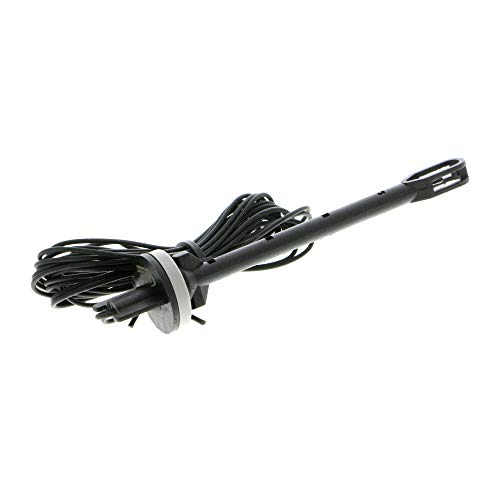 Representative Photo, actual item may vary
What Is a Cabin Air Temperature Sensor?
Cabin air temperature sensors are small but essential electronic components in your vehicle's HVAC system. Cabin air temperature sensors are typically located inside the HVAC ductwork or dashboard area, where they continuously read the temperature of air flowing through the heating and cooling system and relay that information to the climate control module. The module uses this signal to decide how much hot or cold air to blend, how fast the fan should run, and whether to switch between heating, cooling, or ventilation modes.
How Cabin Air Temperature Sensors Work
Most cabin air temperature sensors use a negative temperature coefficient (NTC) thermistor — a sensor whose electrical resistance decreases as temperature rises. Its signal voltage typically varies between 0 and 5 volts, and the HVAC control module's microprocessor uses this input, along with readings from ambient temperature and sunload sensors, to continuously adjust cooling load, fan speed, and airflow volume.
The sensor doesn't simply send one reading and stop — it continuously monitors cabin temperature and updates the module multiple times per minute. This constant feedback loop allows your climate control system to maintain a stable, consistent temperature rather than overshooting or undershooting your desired setting. Some sensors use a small aspirator tube or a miniature electric fan to draw air past the thermistor, ensuring an accurate and representative sample of the cabin air.
Why a Failing Sensor Matters
When a cabin air temperature sensor degrades or fails, the consequences go beyond simple discomfort. A faulty sensor may cause the climate control module to misinterpret the cabin temperature entirely — sending cold air when you need heat, or running the blower at full speed because the system cannot confirm the cabin has reached the desired temperature. Over time, calibration drift can also cause readings to become progressively less accurate, leading to an HVAC system that consistently overshoots or undershoots the set point. Many vehicles will trigger a diagnostic trouble code (such as P0070–P0073) or illuminate an HVAC warning light when sensor failure is detected.
Automatic Temperature Control (ATC) systems found in most modern vehicles rely on a network of sensors working in concert — including interior temperature sensors, ambient temperature sensors, and sunload sensors — to maintain a set temperature across changing driving conditions. A worn cabin air temperature sensor is often the first point of failure in this chain, making timely replacement key to restoring full climate control performance.
What to Look for When Shopping
- Direct-fit OE replacement: Always verify the sensor is a vehicle-specific fit. A proper OE-spec replacement ensures correct resistance values, connector compatibility, and accurate readings right out of the box.
- Build quality: The sensor operates in an environment subject to repeated thermal cycling. High-quality materials help it withstand the constant temperature swings inside ductwork.
- Testing standards: Look for parts that undergo extensive validation testing to confirm they match OE fit, form, and function before reaching the market.
Top Brands for Cabin Air Temperature Sensors
Standard Motor Products is one of the most trusted names in OE-replacement HVAC sensors. Their cabin air temperature sensors are direct-fit OE replacements engineered to deliver the same fit, form, and function as the original factory part, and each unit undergoes extensive testing before release. With coverage spanning a wide range of domestic and import vehicles — from Buick and Chevrolet to Chrysler, Jeep, Ford, and Hyundai — Standard Motor Products is a go-to choice for both professional technicians and DIY enthusiasts.