


Drive Shaft Loop


Competition Engineering 3160 Driveshaft Safety Loop for 2005-Up Mustang



 Representative Photo, actual item may vary




Moroso 62640 Driveshaft Loop Heavy-Gauge Steel Bolt-On Safety Loop

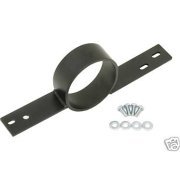 Representative Photo, actual item may vary
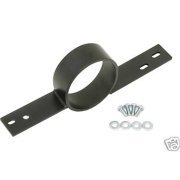 Representative Photo, actual item may vary
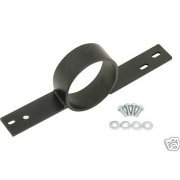 Representative Photo, actual item may vary
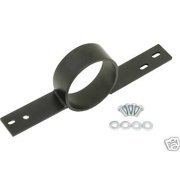 Representative Photo, actual item may vary
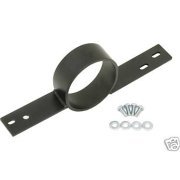 Representative Photo, actual item may vary
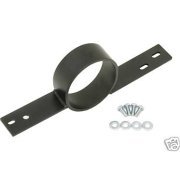 Representative Photo, actual item may vary
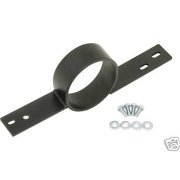 Representative Photo, actual item may vary
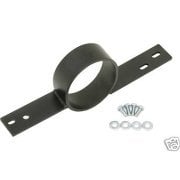 Representative Photo, actual item may vary

BMR Suspension DSL012H Driveshaft Safety Loop Upgrade for Rear Tunnel Brace

UMI Performance 3625-B Drive Shaft Safety Loop for GM B-Body - 78-96


Speedmaster PCE430.1001 Heavy Duty Universal Bolt-On Driveshaft Safety Loop Kit

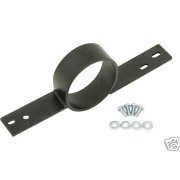 Representative Photo, actual item may vary
What Is a Drive Shaft Loop and Why Do You Need One?
Drive shaft loops are one of the most important — and most overlooked — safety components on any high-performance or track-driven vehicle. Drive shaft loops are metal restraints that bolt to the chassis and wrap around the driveshaft, serving as the last line of defense between a catastrophic driveline failure and a very dangerous situation. In the event of a U-joint failure or a snapped driveshaft, an unrestrained shaft can dig into the track surface, potentially vaulting the vehicle into the air, or tear through the floorboard — putting the driver and everyone nearby at serious risk.
How Drive Shaft Loops Work
The concept is straightforward: a rigid steel hoop, positioned just forward of the front U-joint, captures the spinning shaft if it separates. When a driveshaft breaks free at speed, the loop contains it, allowing the driver to bring the car to a controlled stop rather than losing the vehicle entirely. For vehicles with a two-piece driveshaft, a second loop near the center joint is often recommended for full coverage.
Proper loop placement matters. It should be installed along the driveshaft where it is most effective at preventing contact with the ground, typically near the front of the shaft close to the transmission. The loop must maintain adequate clearance around the shaft — tight enough to catch a failure, but not so close that it contacts the spinning shaft during normal operation.
When Are Drive Shaft Loops Required?
Drive shaft loops aren't just a smart upgrade — they're often mandatory. Most sanctioning bodies, including the NHRA and IHRA, require a certified driveshaft safety loop for vehicles running past certain elapsed time thresholds in the quarter mile. If you're running slicks or drag radials, pushing high horsepower, or competing at any organized drag event, confirming your vehicle's loop requirement with your sanctioning body is essential before heading to the staging lanes.
Even for enthusiasts who primarily drive on the street, the combination of sticky tires, hard launches, and high driveshaft RPMs places real stress on driveline components. Installing a loop is an inexpensive form of insurance that can prevent an expensive — or dangerous — failure.
What to Look for When Shopping Drive Shaft Loops
- Fit: Vehicle-specific loops offer the best fitment and the cleanest installation. Universal loops provide flexibility but may require more adjustment.
- Material & Construction: Look for heavy-gauge steel, CNC-machined mounting points, and quality powder coat or zinc plating for corrosion resistance.
- Sanctioning Body Approval: Verify NHRA or IHRA approval if you plan to compete.
- Installation Method: Bolt-on designs are popular for their simplicity and reversibility, while weld-on loops are common in dedicated race builds.
Top Drive Shaft Loop Brands
UMI Performance is the top choice for GM muscle car owners seeking vehicle-specific fitment. Their loops are engineered for popular platforms including the GM A-Body, F-Body, and G-Body, constructed from thick mild steel with CNC-machined mounting points and offered in both bolt-on and weld-in configurations — all while meeting NHRA requirements.
Lakewood brings decades of racing heritage to the drive shaft loop category. Their adjustable, universal-fit loops are manufactured from zinc-plated steel and carry both NHRA and IHRA approval, making them a proven, accessible option for a wide range of rear-wheel-drive vehicles.