


Vacuum Check Valve


 Representative Photo, actual item may vary



 Representative Photo, actual item may vary


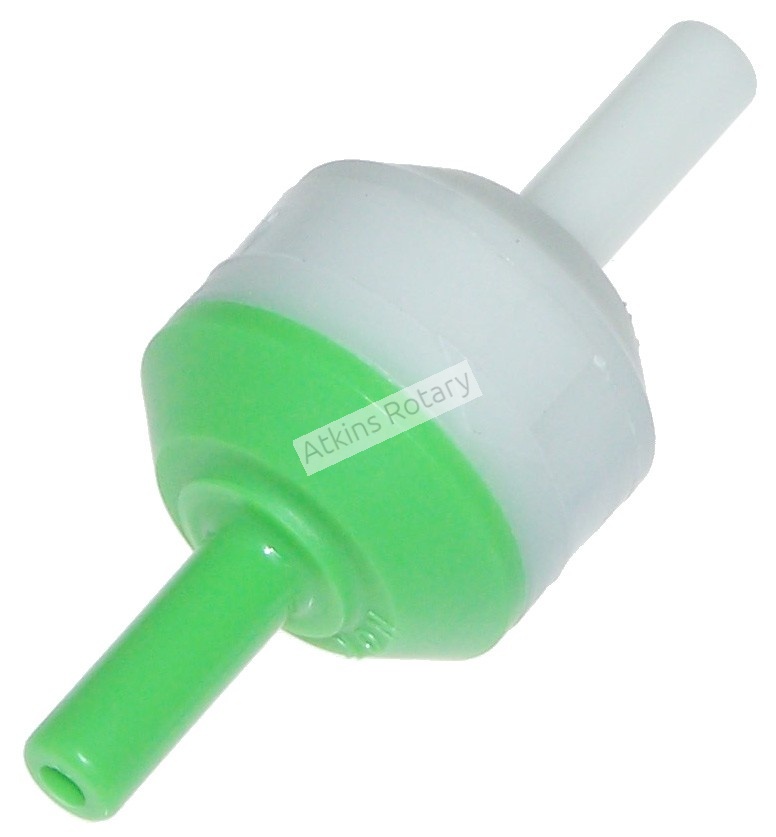 Representative Photo, actual item may vary


 Representative Photo, actual item may vary


 Representative Photo, actual item may vary
What Is a Vacuum Check Valve?
Vacuum check valves are small but critically important components nestled within your vehicle's vacuum system. Vacuum check valves serve one essential mechanical purpose: allowing airflow in one direction while preventing backflow when engine vacuum drops — such as during deceleration or engine shutdown. Despite their compact size, these one-way valves quietly guard some of the most safety- and performance-critical systems on your vehicle.
Why Vacuum Check Valves Matter
Your car's vacuum system is responsible for operating a surprising range of functions. The brake booster, HVAC controls, exhaust gas recirculation (EGR) system, evaporative emission control (EVAP) system, and even variable valve timing (VVT) all rely on stable vacuum pressure to function correctly. The vacuum check valve acts as a gatekeeper — it prevents backflow or leakage in the opposite direction, maintaining a stable vacuum level and preventing vacuum pressure loss that could impair system performance.
Consider the brake booster: in normal operation, the vacuum check valve allows the engine to build and store vacuum pressure that assists the driver during braking. If the check valve fails, vacuum pressure can dissipate when the engine isn't running, leading to a noticeably harder brake pedal and reduced braking power. Similarly, a malfunctioning check valve can disrupt airflow in the HVAC system, resulting in incorrect airflow direction or inadequate cabin temperature control.
In emissions-related systems, a faulty vacuum check valve can lead to irregular vacuum levels, triggering symptoms like rough idling, decreased engine power, or engine misfires. In some cases, a compromised valve causes a vacuum leak detectable by a hissing sound from under the hood — and it can also set diagnostic trouble codes (DTCs) and illuminate the check engine light on your dashboard.
What to Look for When Shopping
When replacing a vacuum check valve, matching the form, fit, and function of the original equipment is paramount. Key factors to consider include:
- Shape and configuration: Valves come in straight, T-shape, Y-shape, L-shape, and other configurations depending on where they fit in the vacuum circuit.
- Material: Most valves are constructed from durable plastic or heat-resistant materials engineered to withstand the pressures and temperatures of an engine bay environment.
- Flow direction: Always confirm the correct flow direction before installation — an improperly oriented valve can cause the exact problems you're trying to fix.
- Application specificity: Some valves are universal-fit, while others are vehicle-specific direct replacements designed to match OE specifications precisely.
Top Brands for Vacuum Check Valves
Dorman is the leading name in aftermarket vacuum check valves, and for good reason. With over a century of automotive aftermarket experience, Dorman manufactures a comprehensive selection of vacuum and emissions fittings covering an enormous range of vehicle applications — from universal straight valves to vehicle-specific direct-fit replacements. Their valves are engineered to match the fit and function of the original equipment, restoring full system functionality with quality materials built for long service life.