


Exhaust Pipe to Manifold Gasket




Victor Reinz F32219 Exhaust Pipe to Manifold Gasket Multi-Layered Steel


Beck/Arnley 039-6679 Exhaust Flange Gasket Steering Tie Rod End


 Representative Photo, actual item may vary



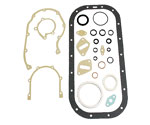 Representative Photo, actual item may vary


 Representative Photo, actual item may vary


Professional Parts SWEDEN 25431480 Exhaust Manifold to Pipe Gasket


What Is an Exhaust Pipe to Manifold Gasket?
The exhaust pipe to manifold gasket is a small but critically important sealing component positioned at the junction where the exhaust pipe flange meets the outlet of the exhaust manifold. Its primary job is straightforward but demanding: prevent exhaust gases from escaping at this high-heat, high-vibration connection point. Without a reliable seal here, combustion byproducts can leak before they reach the catalytic converter, oxygen sensors, and muffler — with consequences that ripple throughout the entire exhaust system.
Why This Gasket Matters
The exhaust manifold collects hot gases from every cylinder in the engine and funnels them into the exhaust pipe. That connection point sees some of the most extreme thermal cycling of any seal on the vehicle — expanding under load, contracting when the engine cools, and enduring constant vibration. When the gasket fails, the effects are hard to ignore:
- Ticking or tapping noise — A characteristic sound caused by exhaust gases escaping at the joint, often most noticeable on a cold start.
- Reduced fuel efficiency — A leaking joint can disrupt proper exhaust backpressure, forcing the engine to work harder.
- Skewed oxygen sensor readings — Exhaust leaks upstream of O2 sensors can corrupt air/fuel mixture data and trigger a Check Engine light.
- Cabin odor and safety risk — Gases leaking near the front of the vehicle can seep toward the passenger compartment, introducing carbon monoxide.
- Failed emissions tests — An unsealed exhaust system can cause the vehicle to exceed legal emissions thresholds.
Gasket Materials and Construction
Exhaust pipe to manifold gaskets are commonly constructed from graphite, stainless steel, multi-layer steel (MLS), or composite fiber materials — each chosen for its ability to withstand extreme temperatures and resist corrosion. The right material for any given application depends on the engine's heat output, the flange geometry, and whether the mating surfaces are still flat and corrosion-free. In the repair environment, surfaces are rarely perfect, which is why replacement gaskets must do more than simply fill a gap — they need to compensate for warping, pitting, and oxidation that accumulates over years of use.
Top Brands for Exhaust Pipe to Manifold Gaskets
Fel-Pro is the benchmark name in aftermarket exhaust sealing. With over a century of engineering expertise, Fel-Pro designs its exhaust system gaskets specifically for the repair environment — accounting for imperfect, aged surfaces that a factory gasket was never meant to seal. Their lineup for this application includes flexible expanded graphite packing gaskets, graphite-faced steel core gaskets, and their proprietary Fel-Ramic® ring-style designs, making them one of the most versatile choices for a wide range of domestic and import applications.
Victor brings an extensive catalog of exhaust gaskets covering a broad spectrum of vehicle makes and models. Backed by the Victor Reinz legacy — a brand with deep OEM roots and a longstanding relationship with European automakers — Victor gaskets are engineered with proven materials and precise fitment standards that professional technicians rely on.
HJS is a German exhaust technology specialist with a strong reputation in the European market, particularly for applications involving diesel particulate filters and precision exhaust sealing components. Their exhaust gaskets reflect the exacting tolerances demanded by European OEM standards.
Reinz is one of the most respected names in OEM-grade engine and exhaust sealing worldwide. Modern Reinz exhaust manifold gaskets are engineered using beaded multilayer steel (MLS) construction, with the number of steel layers calibrated to handle the specific thermal distortion characteristics of each engine's manifold and cylinder head combination.
Choosing the Right Gasket for Your Application
Always verify the gasket's inner diameter, outer diameter, and bolt-hole pattern against your vehicle's specifications before purchase. In modified or high-performance applications, pay close attention to material ratings — standard graphite composites may not stand up to the heat generated by forced-induction or high-displacement engines. When in doubt, cross-reference your vehicle's year, make, model, and engine size to ensure a precise, leak-free fit.