


Genuine Differential Drain Plug


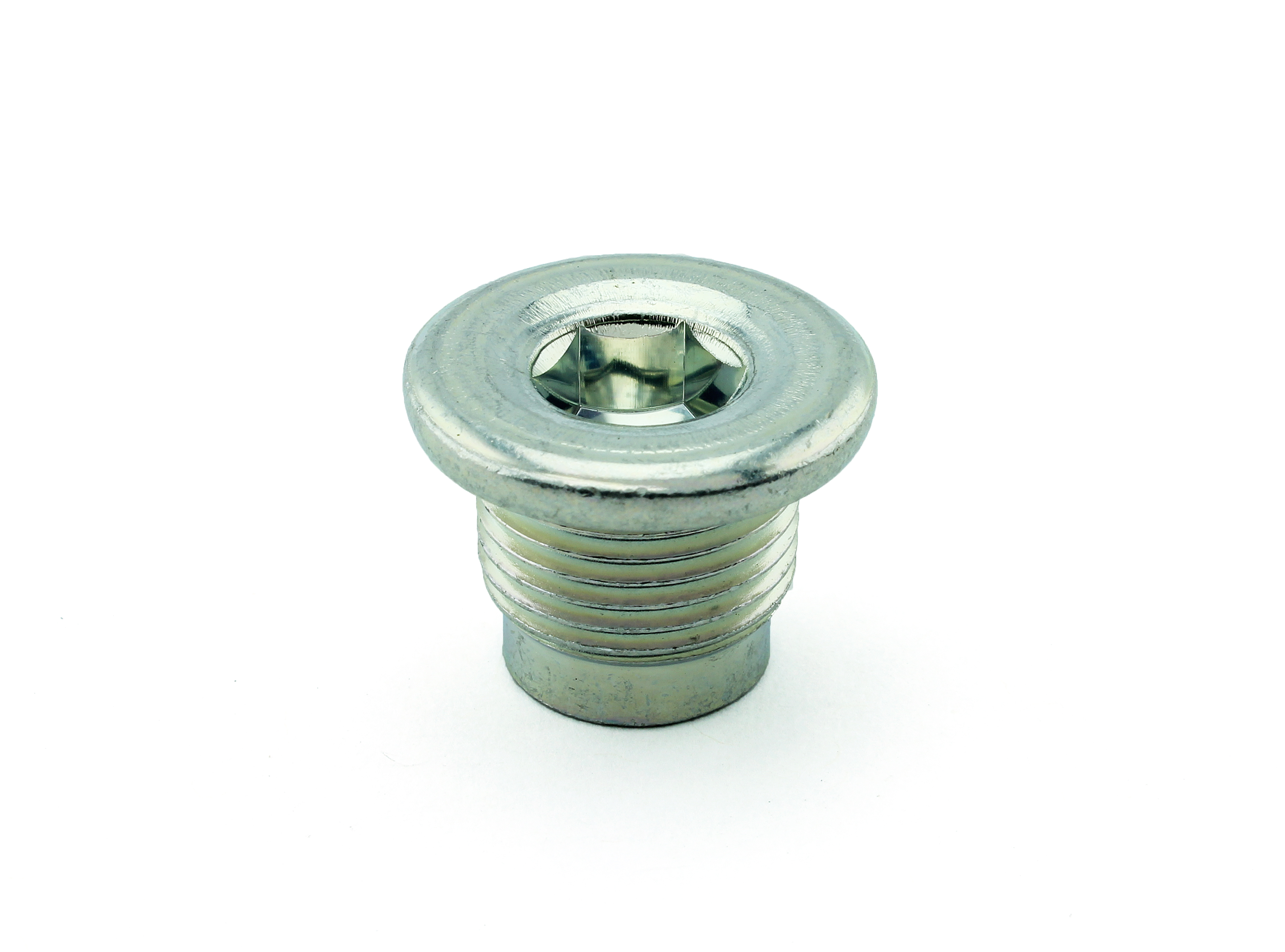 Representative Photo, actual item may vary
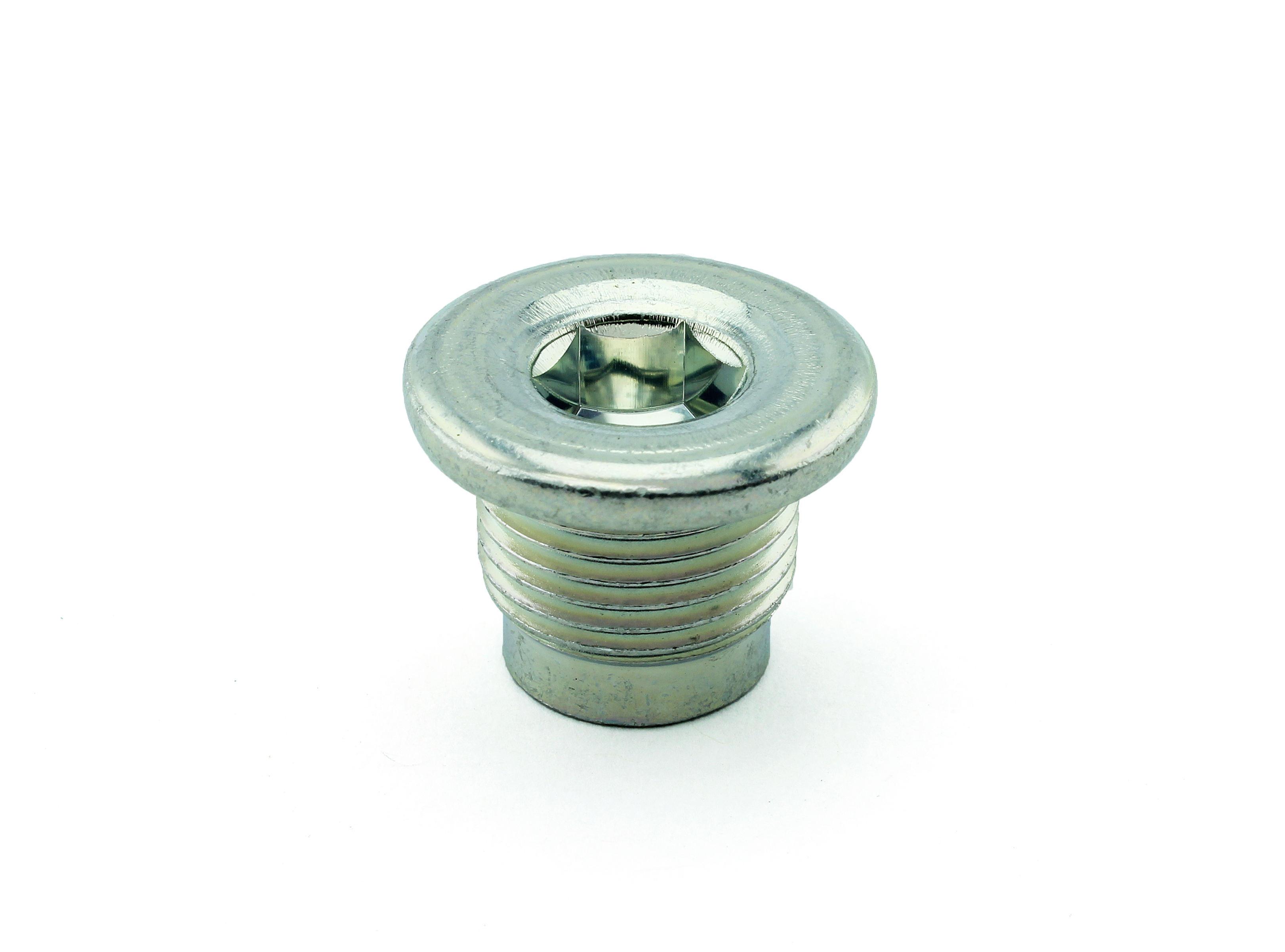 Representative Photo, actual item may vary
Why the Differential Drain Plug Matters More Than You Think
It's easy to overlook a single threaded bolt, but the differential drain plug is a critical gatekeeper in your vehicle's drivetrain. Differential drain plugs seal the gear oil inside your differential housing, and they serve as the primary access point every time you perform a fluid service. A compromised or incorrect drain plug can mean fluid leaks, contaminated gear oil, and — ultimately — accelerated wear on the gears and bearings that keep your wheels turning in sync.
Beyond simple sealing, many differential drain plugs incorporate a magnetic tip that captures fine metallic wear particles suspended in the gear oil. As the ECS Tuning differential service guide notes, debris and wear particles are left deposited on a magnet, generally located in the differential housing or quite often on the end of a drain plug.
When you pull the plug during a fluid change, that collected debris gives you an immediate snapshot of your differential's internal health — small, fine particles indicate normal wear, while larger shavings can signal something more serious.
Genuine OEM Differential Drain Plugs: Factory Fit, Factory Confidence
The Genuine brand represents a commitment to original equipment manufacturer (OEM) standards — parts engineered and validated to match the exact specifications your vehicle's differential was built with. When it comes to a component whose job is to seal under pressure and thermal cycling, that precision matters. An OEM-spec drain plug means correct thread pitch, proper sealing surface geometry, and material grade chosen to withstand the extreme-pressure environment inside a differential housing.
Using a non-spec drain plug risks cross-threading, inadequate torque retention, or seal failure over time. Genuine drain plugs are designed to reinstall reliably service after service, giving technicians and DIY enthusiasts alike the confidence that the differential is properly sealed before the next fluid fill. This is especially important given that differential fluid changes are typically recommended every 30,000 to 60,000 miles depending on driving conditions — meaning this plug gets cycled in and out multiple times over a vehicle's life.
When to Replace Your Differential Drain Plug
Even though a drain plug is a simple part, it should not be reused indefinitely. The sealing washer or gasket surface can degrade with repeated heat cycles, and threads can sustain minor damage during removal, especially on older or high-mileage vehicles. Replacing the drain plug as part of a routine differential fluid service is inexpensive insurance against a leak that could silently starve your differential of lubrication — a failure mode that can lead to catastrophic gear damage and costly repairs.
- OEM thread specifications — correct pitch and diameter for a factory-tight fit
- Proper sealing geometry — engineered contact surfaces that prevent weeping leaks
- Material durability — withstands repeated thermal expansion and contraction cycles
- Magnetic debris capture — helps collect metallic particles for a cleaner differential housing
Whether you're performing a scheduled differential fluid service on a rear-wheel-drive truck, an AWD crossover, or a performance car, trusting a Genuine differential drain plug means you're reinstalling the same quality that was there from the factory. Browse the full selection of Genuine differential drain plugs to find the right fit for your vehicle.