


Engine Oil Sump Gasket




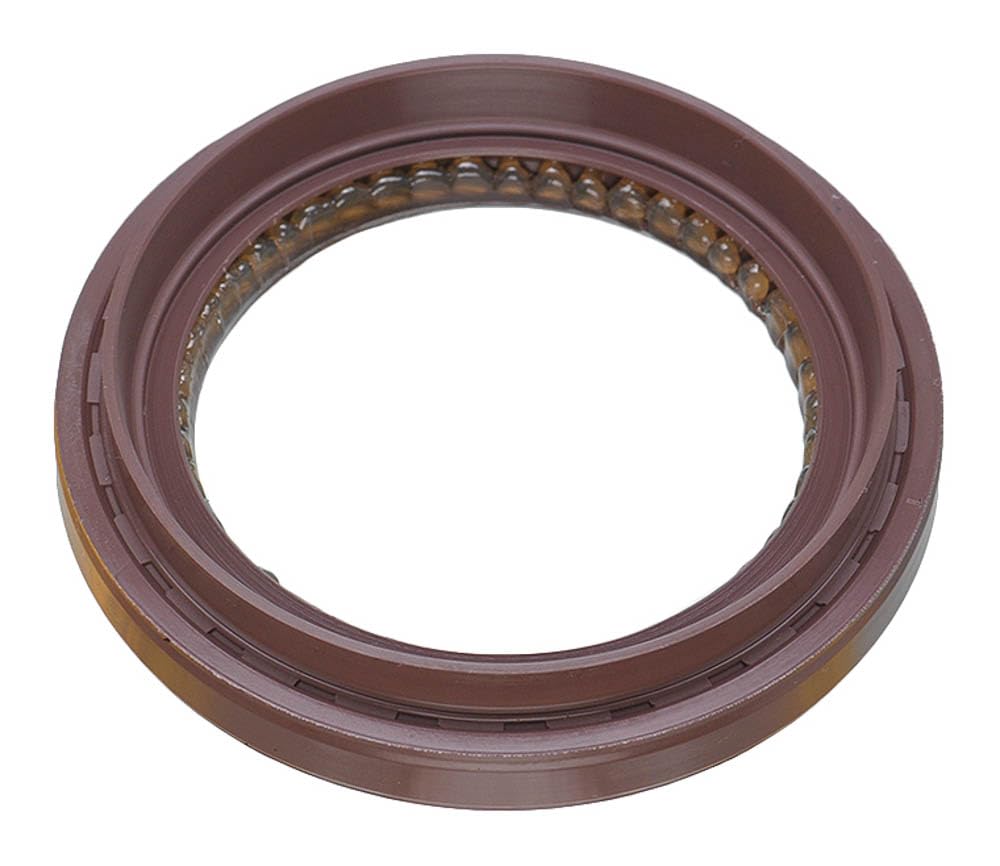 Representative Photo, actual item may vary
What Is an Engine Oil Sump Gasket?
The engine oil sump gasket — also commonly known as an oil pan gasket — is one of those deceptively simple components that plays a critical role in keeping your engine healthy. Engine oil sump gaskets sit between the oil pan (sump) and the bottom of the engine block, forming a tight seal that keeps engine oil where it belongs as it continuously circulates through the lubrication system.
The oil sump itself serves as the reservoir for your engine's lubricating oil. After the oil pump draws fluid up through the pickup tube and pushes it through the engine's galleries to lubricate bearings, the crankshaft, camshaft, and other moving components, that oil drains back down into the sump to begin the cycle again. Without a properly functioning sump gasket, oil will escape at the junction between the pan and block — a small leak that can quietly threaten your entire engine.
Why the Sump Gasket Matters
Because the oil sump is located at the lowest point of the engine, the gasket that seals it is constantly subjected to a demanding environment. Vibrations, extreme temperature swings, and the steady pressure of circulating oil all take a toll over time. A worn or failed gasket allows oil to seep out, leading to reduced oil levels, compromised lubrication, and in serious cases, catastrophic engine damage from oil starvation.
Common warning signs of a failing oil sump gasket include:
- Oil patches or puddles beneath the vehicle — especially when parked overnight
- Visible oil residue along the edges of the oil pan or engine block mating surface
- A burning oil smell caused by oil dripping onto hot exhaust components
- A low oil level warning light or drop on the dipstick without any obvious explanation
- Reduced engine performance if oil pressure has dropped due to continued loss
It is worth noting that gaskets are generally not reusable. Once a sump gasket has been compressed, exposed to heat cycles, and saturated with oil, its ability to form a reliable seal is compromised. Replacement with a quality new gasket is always the recommended approach.
Sump Gasket Materials
Oil sump gaskets are manufactured from several different materials depending on the engine design and the material of the oil pan itself. Cork-rubber composites were the traditional choice on older vehicles, while modern applications increasingly use molded rubber, formed silicone, or multi-layer composite materials. Pressed steel oil pans typically use a formed rubber gasket, while aluminum pans may rely on a precisely applied liquid silicone sealant (RTV) in place of a traditional gasket. Always refer to your vehicle manufacturer's specifications when selecting a replacement to ensure proper compatibility and sealing performance.
Top Brands for Engine Oil Sump Gaskets
When it comes to engine sealing components, the brand you choose matters. Victor Reinz is one of the most respected names in the gasket industry, with roots tracing back to the Victor Gasket Manufacturing Company and the Reinz Company — both eventually brought together under the Dana Corporation umbrella. With over a century of combined sealing expertise, Victor Reinz supplies gaskets to automotive manufacturers worldwide and is widely regarded as an OE-quality option for the aftermarket. Their aramid fiber-based gasket materials are recognized for excellent chemical resistance, superior gas-tightness, and strong conformability to uneven sealing surfaces — all properties that matter when you're sealing an oil sump that sees constant thermal cycling and vibration.