


Engine Coolant Bypass Pipe


Pacific Performance Engineering 119000830 Coolant Bypass Tube, Polished 304 Stainless



 Representative Photo, actual item may vary

 Representative Photo, actual item may vary


 Representative Photo, actual item may vary




 Representative Photo, actual item may vary

 Representative Photo, actual item may vary

Dorman 626-792 Engine Coolant Bypass Pipe for Select Subaru Models


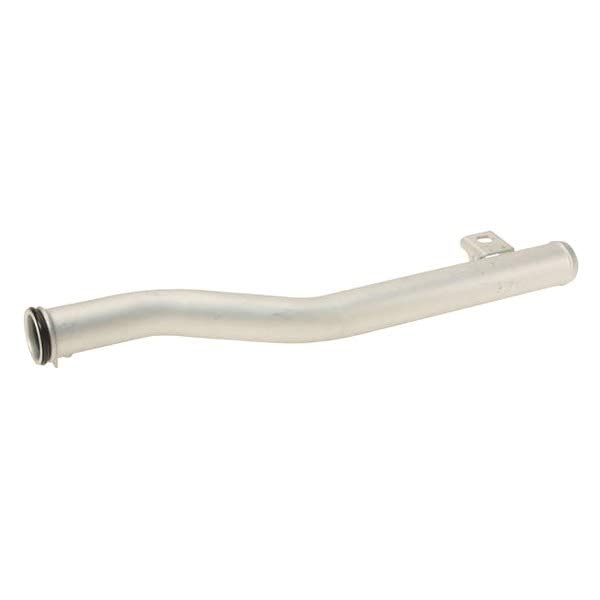 Representative Photo, actual item may vary
 Representative Photo, actual item may vary


What Is an Engine Coolant Bypass Pipe?
Engine coolant bypass pipes play a quiet but critical role in your vehicle's thermal management. An automotive bypass coolant pipe connects the engine's water pump to the thermostat housing, providing a dedicated pathway for coolant to circulate through the engine block and cylinder head when the thermostat is closed — typically during a cold start. Rather than routing fluid through the radiator before the engine is up to temperature, the bypass pipe allows coolant to loop internally, helping the engine reach operating temperature more efficiently and more evenly.
Why Bypass Pipes Matter
During warm-up, the thermostat remains closed to allow the engine to warm up quickly. During this phase, the coolant bypass pipe circulates hot coolant around the engine block and cylinder head, preventing overheating and ensuring proper lubrication. Once the engine reaches normal operating temperature, the thermostat opens and coolant is redirected through the radiator for cooling — and the bypass becomes less active.
Beyond cold-start performance, bypass pipes are critical for preventing uneven heat distribution between cylinders. In high-output diesel applications, for example, the factory routing of coolant circulation can cause the rear cylinders to run at a substantially hotter temperature compared to the front cylinders, putting freeze plugs and head gaskets at risk. An aftermarket bypass pipe or kit reroutes coolant flow to address these hot spots head-on.
A malfunctioning or damaged coolant bypass pipe can cause engine overheating, coolant leaks, and other problems, which can lead to engine damage and costly repairs. Signs of a failing bypass pipe include visible coolant seepage near the thermostat housing, an engine that overheats sooner than expected, or a persistent sweet smell coming from the engine bay.
Bypass Pipe Materials and Construction
Bypass pipes can be made of metal, plastic, rubber, or any combination of the three. OE-style replacements typically mirror the factory material and routing, while performance-oriented pipes may use aluminum, stainless steel, or reinforced braided lines for added durability and improved flow. Whichever option you choose, proper fitment and sealing are essential — even a small coolant leak can quickly cascade into a costly repair.
Top Brands for Engine Coolant Bypass Pipes
For diesel enthusiasts looking to correct a well-known factory shortcoming, Fleece Performance is the go-to name in the Cummins community. Fleece Performance Engineering manufactures a wide range of vehicle-specific coolant bypass kits to aid in extending the life of your engine, covering 12-valve through current 6.7L common rail applications. Their kits feature OE+ fit and finish, braided lines, and AN fittings for a clean, leak-free installation.
For drivers who need a reliable OE-style replacement, Dorman is a trusted choice across a broad range of makes and models. Dorman's coolant bypass pipes are designed to match the fit and function of the original pipe on specified applications, engineered to replace parts that have failed due to heat, vibration, or corrosion — restoring cooling system integrity without the dealership price tag.
What to Consider When Shopping
- Vehicle fitment: Bypass pipe geometry is highly application-specific. Always verify compatibility by year, make, model, and engine before purchasing.
- Material: Metal and reinforced braided pipes generally offer longer service life than plastic OE units, especially in high-heat or high-performance applications.
- Performance vs. OE replacement: If you tow, run modified power levels, or have experienced heat-related engine issues, a performance bypass kit may offer meaningful benefits over a direct OE replacement.
- Installation: Some bypass pipes require partial engine disassembly for access. Consult your vehicle's service manual and allow adequate time for a proper coolant system bleed after installation.