


Fuel Pump Seal




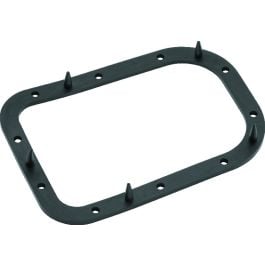 Representative Photo, actual item may vary

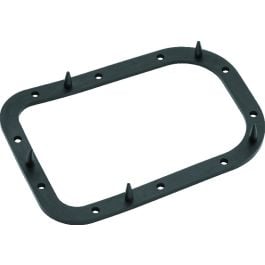 Representative Photo, actual item may vary
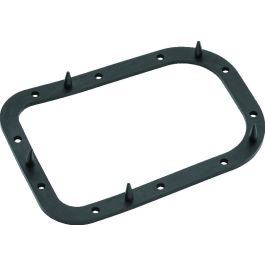 Representative Photo, actual item may vary


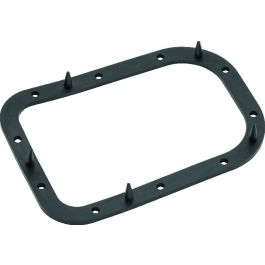 Representative Photo, actual item may vary



Reinz 02-36015-05 High Pressure Fuel Pump Gasket Kit for Pierburg 7.06032.01.0



 Representative Photo, actual item may vary


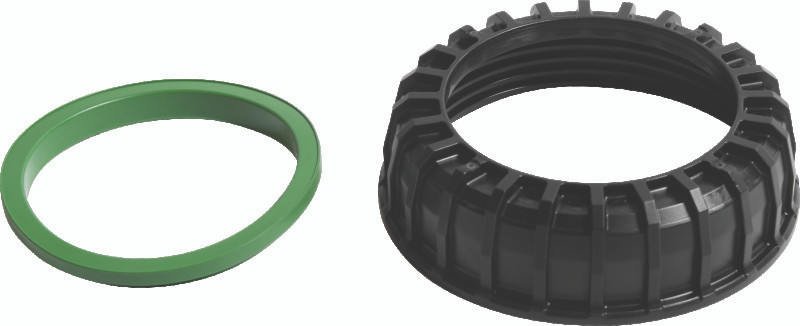 Representative Photo, actual item may vary


 Representative Photo, actual item may vary

 Representative Photo, actual item may vary

 Representative Photo, actual item may vary

 Representative Photo, actual item may vary


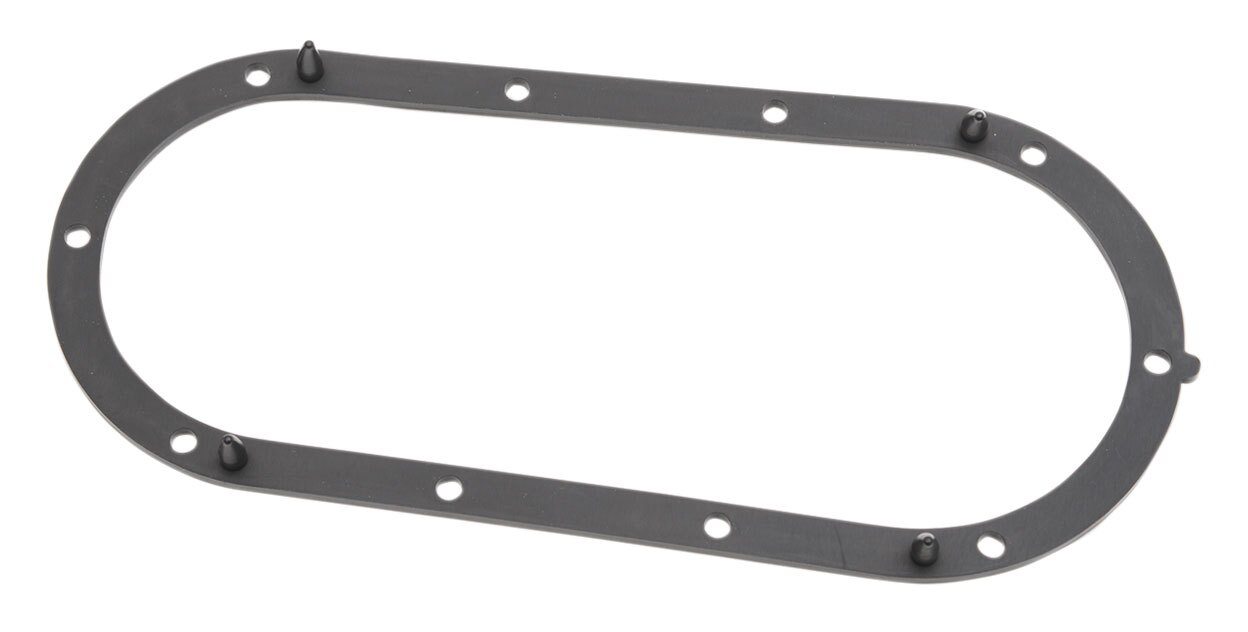 Representative Photo, actual item may vary
Drag Specialties 0701-0670 Fuel Pump Door Seal for 2007-2017 Harley-Davidson Dyna

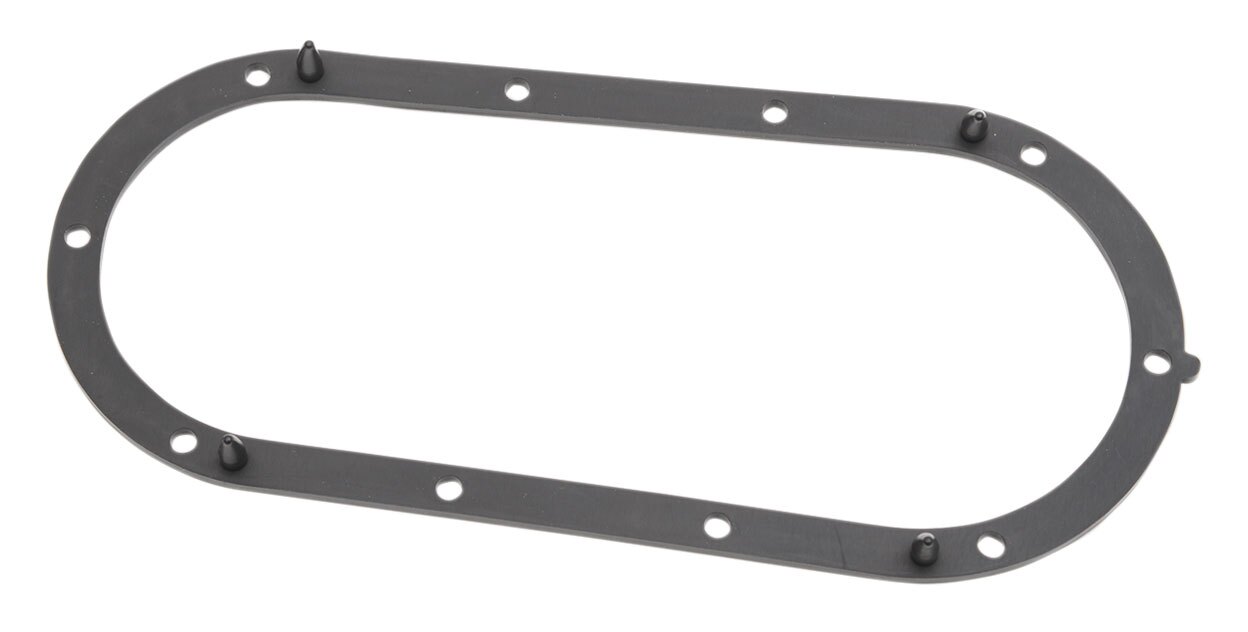 Representative Photo, actual item may vary
Drag Specialties 0701-0667 Fuel Pump Door Seal for 2007-2022 Harley-Davidson Sportster XL
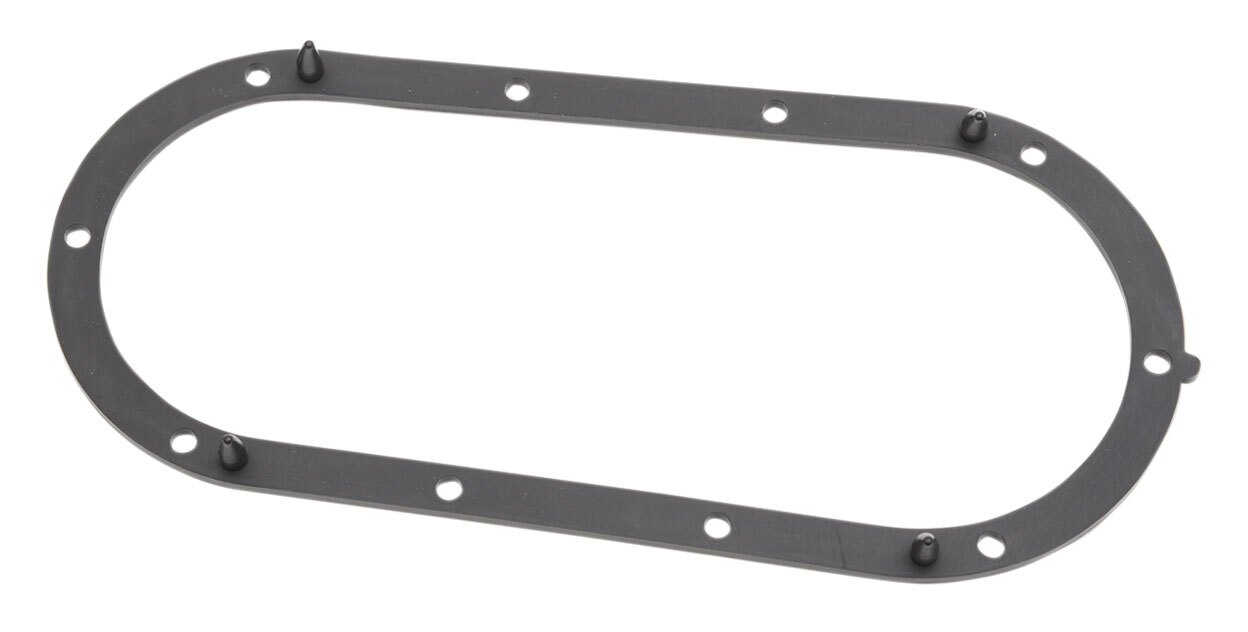 Representative Photo, actual item may vary
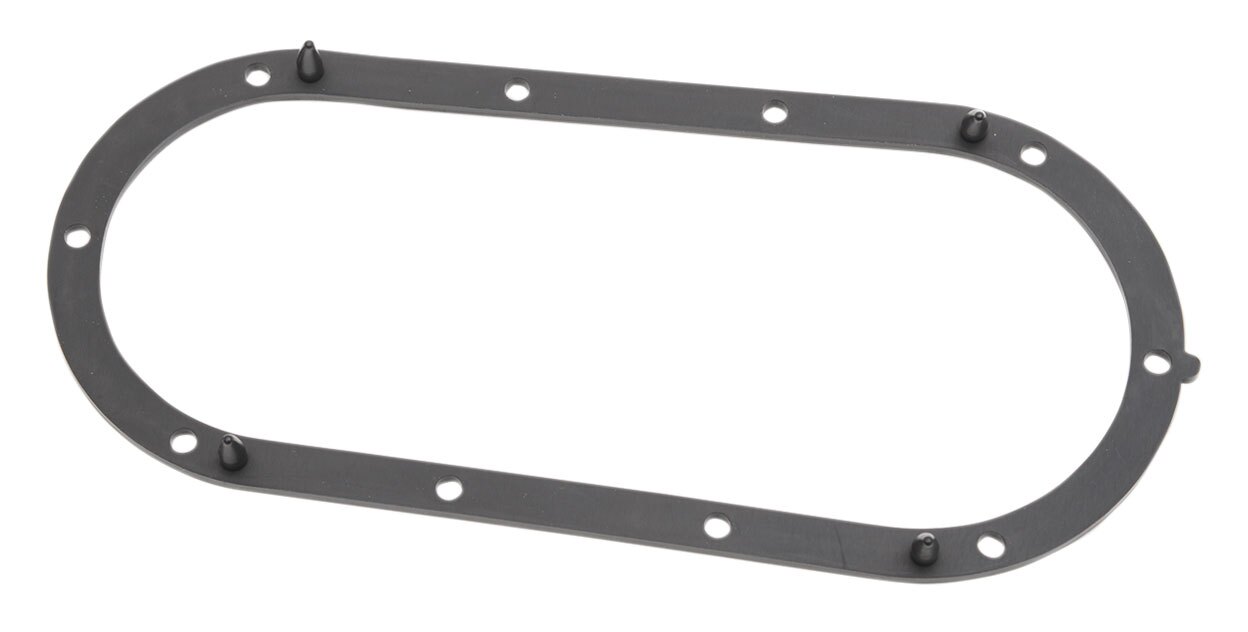 Representative Photo, actual item may vary
Drag Specialties 0701-0663 Fuel Pump Door Seal for Harley-Davidson FLT Touring


 Representative Photo, actual item may vary


 Representative Photo, actual item may vary

What Is a Fuel Pump Seal and Why Does It Matter?
Fuel pump seals are small but critically important components within your vehicle's air and fuel delivery system. Fuel pump seals serve as the primary barrier between the fuel pump assembly and the fuel tank, ensuring that highly pressurized gasoline travels only along its intended path — from the tank, through the fuel lines, and into the engine. Without a properly functioning seal, that pressurized fuel has nowhere safe to go but out.
The fuel pump itself is typically located inside the fuel tank, drawing gasoline out and delivering it to the engine at high pressure. The seal sits at the critical interface where the pump meets the tank flange, and its integrity is fundamental to the entire fuel delivery process. A quality seal also serves a secondary function: keeping dirt, debris, and moisture from entering the fuel system through gaps around the pump housing.
Signs of a Failing Fuel Pump Seal
Because fuel pump seals operate in a demanding environment — under constant exposure to fuel, heat, and pressure — wear over time is inevitable. Recognizing the warning signs early can save you from costly repairs or, more seriously, a fire hazard. Common symptoms of a failing fuel pump seal include:
- Fuel leaks or puddles beneath the vehicle or around the pump housing
- Persistent fuel odor near the fuel tank or engine bay
- Rough idling, stalling, or hard starting caused by inconsistent fuel pressure
- Decreased fuel economy from fuel escaping the closed system
- Check engine light triggered by fuel system pressure irregularities detected by onboard sensors
Modern fuel pump seals are typically manufactured from fuel-resistant synthetic rubbers such as Fluoroelastomer (FKM/Viton®) or Nitrile rubber (NBR) — materials engineered to withstand chemical degradation from gasoline and maintain a reliable seal under thermal stress. When replacing a seal, always ensure the mating surfaces on both the fuel tank flange and the pump assembly are perfectly clean; even microscopic debris can cause a new seal to leak.
What to Look for When Shopping Fuel Pump Seals
Choosing the right fuel pump seal comes down to three key factors: material quality, fitment accuracy, and compatibility with your vehicle's fuel type — particularly if you run ethanol-blended fuels, which can accelerate seal degradation in standard rubber compounds. OEM-equivalent seals that meet or exceed original equipment specifications offer the best balance of longevity and reliability. It's also good practice to replace the fuel pump seal any time the pump is serviced or removed, as reusing an old, compressed seal significantly increases the risk of leaks after reassembly.
Top Brands for Fuel Pump Seals
For European vehicle owners, VAICO is a well-regarded name in the fuel pump seal segment. VAICO is a German automotive parts brand under the VIEROL AG umbrella, launched in 1999 with a focus on engine and transmission components. Their parts carry the brand's signature Q+ quality designation, indicating production in OEM-supplying factories and compliance with European ISO quality standards — making them a dependable choice for precision-fit sealing solutions on European platforms.