


Fuel Cooler









 Representative Photo, actual item may vary


 Representative Photo, actual item may vary

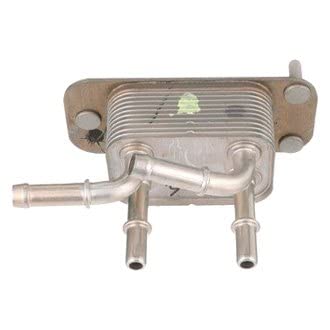 Representative Photo, actual item may vary


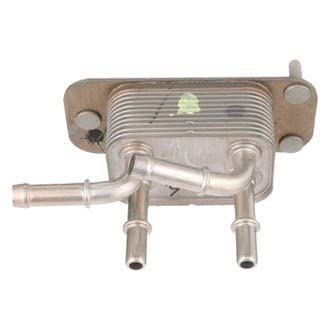 Representative Photo, actual item may vary
 Representative Photo, actual item may vary
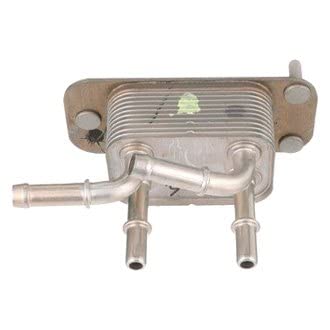 Representative Photo, actual item may vary
 Representative Photo, actual item may vary

What Is a Fuel Cooler and Why Does It Matter?
A fuel cooler is a heat-management component that sits within your vehicle's fuel delivery system, working to reduce fuel temperature before it reaches the combustion chamber. Heat is one of the most underestimated enemies of a healthy fuel system. As fuel circulates through high-pressure lines, pumps, and injectors — especially in performance builds or hot climates — it absorbs substantial thermal energy. Left unchecked, that heat can cause a cascade of problems that affect both reliability and power output.
At its core, a fuel cooler functions as a heat exchanger for your fuel circuit. Fuel coolers help dissipate heat from fuel before it reaches the engine's fuel system, which enhances performance and fuel delivery as well as discouraging vapor lock during extreme driving conditions. Vapor lock occurs when fuel vaporizes inside the fuel lines, disrupting the steady liquid flow that injectors and carburetors depend on — and a properly sized fuel cooler is one of the most effective defenses against it.
How Fuel Coolers Work
Fuel coolers typically consist of a heat exchanger that transfers thermal energy away from the fuel using air or engine coolant as the cooling medium. Inline fuel coolers are mounted directly in the fuel line and use fans or finned heat-exchanger surfaces to shed heat as fuel passes through. A related design — the cool can — is a cylindrical container mounted between the fuel pump and carburetor that uses heat exchange technology to dissipate heat from the fuel before it reaches the carb. Both serve the same fundamental goal: keeping fuel dense, cool, and ready to atomize efficiently for cleaner combustion.
The main reason for using a fuel cooler is to reduce the temperature of the fuel, which can increase its density and allow for more precise control of fuel injection, improving combustion efficiency, power output, and even reducing emissions. For diesel applications, fuel coolers are especially important on common rail systems, where the high-pressure injection process adds significant heat to the fuel, and excess heat on the return line can saturate the tank over time.
Who Needs a Fuel Cooler?
Fuel coolers are used in a variety of engines, including diesel and gasoline engines, and are especially beneficial in high-performance engines where high fuel pressure is used and fuel temperatures tend to be higher. They are also valuable in engines that operate in hot environments — such as desert climates — as well as in vehicles used for heavy-duty applications like trucks and commercial vehicles. Racers, performance enthusiasts running upgraded fuel pumps, and diesel truck owners who tow or haul in warm conditions are prime candidates for this upgrade or replacement part.
Top Brands in Fuel Coolers
Mr. Gasket is a legendary name in American performance, founded in 1964 during the golden era of muscle cars and hot rods, and now part of the Holley Performance family. Their aluminum cool can is a popular choice for carbureted fuel systems, featuring a brushed aluminum finish and a complete kit with a universal mounting bracket, drain plug, and aluminum tubing — everything needed for a straightforward installation on street and strip builds alike.
Dorman approaches fuel coolers from the OE-replacement angle, offering a broad catalog of direct-fit diesel fuel coolers engineered to match the fit and function of original equipment. Dorman's fuel coolers are designed to restore functionality when a factory cooler has failed due to collision, road debris, or corrosion, and every cooler undergoes rigorous testing to ensure the durability customers expect.