


Subaru Carburetor


 Representative Photo, actual item may vary
 Representative Photo, actual item may vary
Subaru 252-62610-08 OEM Carburetor Diaphragm Small Engine Replacement Part

 Representative Photo, actual item may vary

 Representative Photo, actual item may vary
 Representative Photo, actual item may vary
 Representative Photo, actual item may vary
 Representative Photo, actual item may vary
 Representative Photo, actual item may vary
 Representative Photo, actual item may vary
 Representative Photo, actual item may vary
 Representative Photo, actual item may vary
 Representative Photo, actual item may vary
 Representative Photo, actual item may vary
 Representative Photo, actual item may vary
 Representative Photo, actual item may vary
 Representative Photo, actual item may vary
 Representative Photo, actual item may vary
 Representative Photo, actual item may vary
 Representative Photo, actual item may vary
Subaru 21E-32902-K3 Carburetor Insulator 2 OEM Small Engine Replacement Part
 Representative Photo, actual item may vary
 Representative Photo, actual item may vary
 Representative Photo, actual item may vary
 Representative Photo, actual item may vary
Subaru 224-62552-08 OEM Float Chamber Body Small Engine Carburetor Component
 Representative Photo, actual item may vary
 Representative Photo, actual item may vary
 Representative Photo, actual item may vary
 Representative Photo, actual item may vary
 Representative Photo, actual item may vary
 Representative Photo, actual item may vary
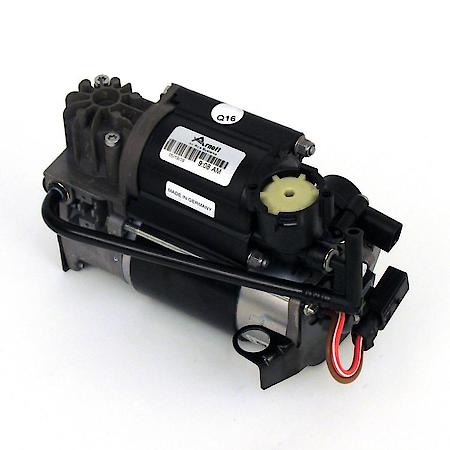 Representative Photo, actual item may vary
Subaru Carburetors: A Legacy of Precision Fuel Delivery
When most enthusiasts think of Subaru, they picture the brand's signature horizontally opposed "Boxer" engines and modern fuel injection. But Subaru's engineering story stretches back decades further, encompassing a wide range of carbureted powerplants that powered everything from compact kei cars to commercial small engines — and sourcing the right carburetor for those engines is a task that rewards careful attention to fitment and quality.
Subaru's Carbureted Engine Heritage
The EF engine, introduced in 1984 for the Subaru Justy, is a water-cooled, straight-three, four-stroke engine with a belt-driven single overhead camshaft. Early EF10 variants were equipped with a single-barrel Hitachi carburetor, while higher-output trims used a dual-barrel Hitachi carburetor. These carbureted configurations defined the Justy's modest but eager character throughout its production run.
The EN series engine is a four-cylinder, four-stroke engine used in kei cars sold by Subaru in Japan, succeeding the EK family of two-cylinder engines previously used in Subaru kei cars from 1958 to 1989. Early EN05 variants included a naturally aspirated model with a carburetor , making carburetor service an important part of maintaining these compact powerhouses. Export models were often equipped with a larger version of the EN engine — Subaru's 758 cc carbureted four-cylinder EN08 powerplant , sold under names like the Subaru Fiori and the Mini Jumbo in various global markets.
The EJ series has been in production since the late 1980s, when the 2.0-liter EJ20 debuted in the 1989 Legacy. The intention was for the EJ to succeed the long-running EA series, which had been around since the 1960s — and the EA remained in production until the mid-1990s. Many of these older EA-series engines relied on carburetors, making replacement parts essential for owners keeping these classic vehicles on the road.
Subaru / Robin Small Engine Carburetors
Beyond automotive applications, Subaru's small engine division — often referenced as Robin/Subaru — has a long history of powering outdoor power equipment, generators, pressure washers, and industrial machinery with carbureted engines. The Robin Subaru EX40 is a 14HP, 404cc, air-cooled single-cylinder engine with an OHC design, fitted with a horizontal draft float-type carburetor assembly. The EX40 platform powers applications ranging from industrial generators and professional trash pumps to heavy-duty commercial equipment.
The EA190V and EA175V are other widely used Robin/Subaru carbureted engines, found in 2700–3100 PSI pressure washers and a variety of outdoor power equipment from brands including Powerstroke and Troy-Bilt. Keeping these engines performing at their best often means replacing a worn or gummed-up carburetor — and getting the right OEM-spec part is critical to restoring proper fuel atomization and throttle response.
What to Look for When Buying a Subaru Carburetor
- Engine Series Match: Subaru has produced many distinct engine families (EA, EF, EN, EX, and more). Always cross-reference your engine's model and spec number to confirm carburetor compatibility.
- OEM Part Numbers: Subaru / Robin carburetor part numbers follow an OEM supersession chain — always verify you have the latest revision number to ensure the best-fit replacement.
- Application Type: Whether your engine powers a vehicle, a pressure washer, a generator, or a tiller, the carburetor configuration (float type, draft orientation, jet sizing) differs by application — match accordingly.
- Float-Type vs. Diaphragm: Older automotive-style Subaru carbs typically use a float-bowl design, while some compact utility engines use diaphragm-style carburetors suited to operation at varying angles.
Whether you're restoring a vintage Subaru Justy, maintaining a kei-class vehicle, or servicing a Robin/Subaru small engine, having the correct carburetor on hand is essential to keeping fuel delivery precise and the engine running cleanly.