


Flex Fuel Sensor




Standard Motor Products S1535 Flex Fuel Sensor Connector Pigtail







 Representative Photo, actual item may vary



Rywire RY-FLEX-FUEL-W/ADAPTERS Flex Fuel Ethanol Content Sensor Kit with AN Adapters

Rywire RY-FLEX-FUEL Ethanol Content Sensor Kit for Flex Fuel Applications

Torque Solution TS-SU-6FLK-FFU 6AN Flex Fuel Sensor Kit for Subaru WRX STI


Genuine 0001593404 Water in Fuel Sensor Heating Element for Mercedes-Benz Diesel


 Representative Photo, actual item may vary


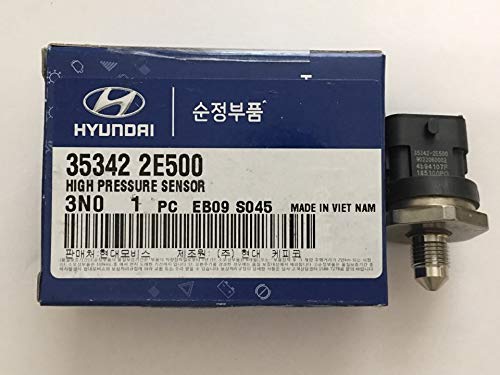 Representative Photo, actual item may vary





 Representative Photo, actual item may vary




Innovate Motorsports 39040 MTX-D Dual Function Ethanol Content & Fuel Temperature Gauge Kit


 Representative Photo, actual item may vary

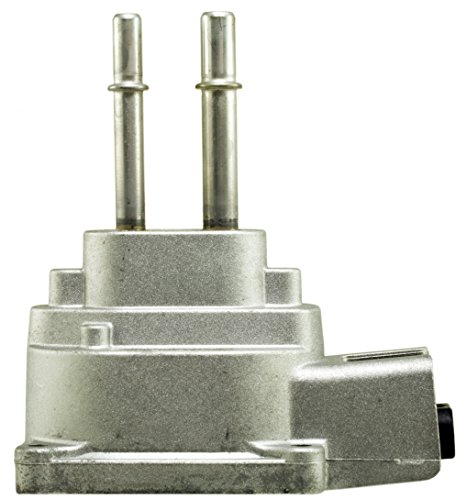 Representative Photo, actual item may vary
What Is a Flex Fuel Sensor?
Flex fuel sensors — also called ethanol content sensors or fuel composition sensors — are critical components in any flexible fuel vehicle (FFV). Flex fuel sensors are installed in-line within the fuel system and continuously monitor the ratio of ethanol to gasoline passing through the fuel line. Because ethanol and gasoline have very different chemical properties, an engine cannot safely or efficiently run on both without real-time data about what's actually in the tank.
The sensor works by analyzing the fuel as it flows through its internal chamber. It measures changes in the dielectric properties of the fuel blend, then converts that reading into a frequency signal or digital output sent directly to the engine control unit (ECU). The ECU uses this data to automatically adjust ignition timing, fuel delivery, and injection pulse width — ensuring efficient combustion and proper emissions control regardless of the fuel composition.
Why Flex Fuel Sensors Matter
Ethanol-blended fuels like E85 can vary significantly in their actual ethanol concentration from one gas station to the next. Without a properly functioning flex fuel sensor, your ECU is essentially guessing at the fuel blend — which can lead to a lean or rich running condition, poor fuel economy, rough idle, hard starting, or even engine damage over time. A healthy sensor gives the ECU the real-time accuracy it needs to keep combustion dialed in, whether the tank holds pure gasoline, E85, or anything in between.
Symptoms of a failing flex fuel sensor can include difficulty starting, a check engine light, rough performance, or noticeably degraded fuel economy — especially if you've recently switched fuel types. Replacing a worn or faulty sensor restores accurate fuel management and protects the long-term health of the engine.
Key Considerations When Buying a Flex Fuel Sensor
- OE vs. Aftermarket Fit: Always verify the sensor is designed to match your vehicle's make, model, and year for proper connector fitment and calibration.
- Connector Type: Flex fuel sensors use specific electrical connectors — confirm compatibility before purchase.
- Fuel Line Connection: Most sensors use quick-connect fittings; verify the inlet and outlet size matches your vehicle's fuel line.
- Signal Type: Sensors output either a frequency-based or voltage-based signal — your ECU must be compatible with the sensor's output type.
Top Flex Fuel Sensor Brands
ACDelco is the benchmark for flex fuel sensors, particularly in GM vehicles. As the OE supplier to General Motors, ACDelco flex fuel sensors are manufactured to exact GM specifications for fit, form, and function, making them the go-to GM-recommended replacement for Silverado, Tahoe, Suburban, Impala, and other FFV models.
GPD offers a broad range of direct-replacement sensors designed to meet OE specifications, making them a practical option for those seeking a reliable aftermarket alternative across a variety of GM flex fuel applications.
Dorman is a well-known name in the OE-replacement parts market, engineering sensors for hard-to-find and discontinued applications, giving owners of older flex fuel vehicles a dependable repair option.
Walker Products brings sensor manufacturing expertise to the flex fuel category, producing ethanol content sensors that are built to deliver accurate readings and meet or exceed OEM performance standards.
VEMO is a European-rooted brand known for precision-engineered OE-quality sensors, offering flex fuel sensor coverage that spans a wide range of vehicle applications with a focus on consistent accuracy and durability.