


Engine Timing Crankshaft Gear
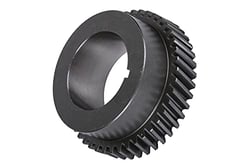

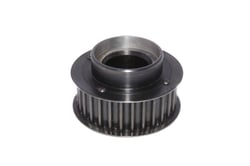

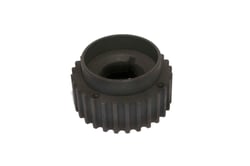
 Representative Photo, actual item may vary

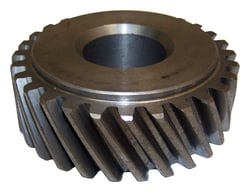
Crown Automotive J0641282 Crankshaft Timing Gear 4-134 Engine

 Representative Photo, actual item may vary

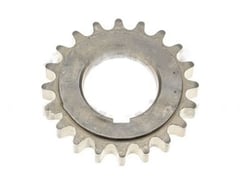

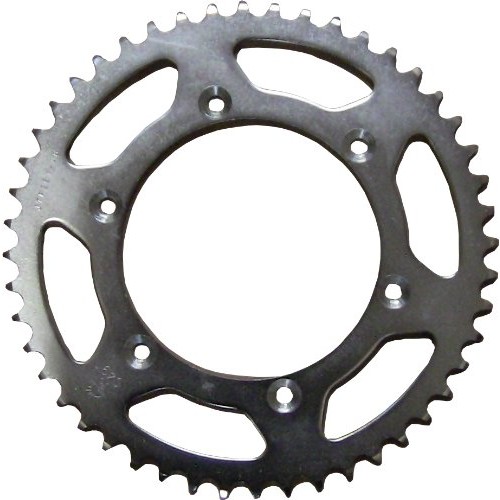 Representative Photo, actual item may vary
Ford Racing M-6306-M50A Forged Steel Crankshaft Sprocket for 5.0L Coyote

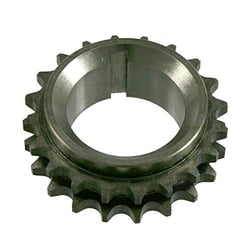

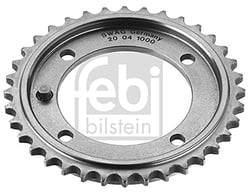

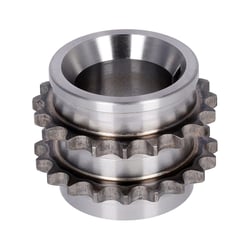
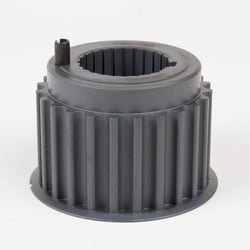

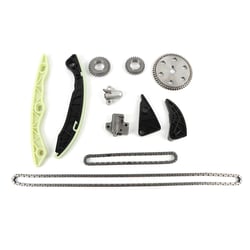
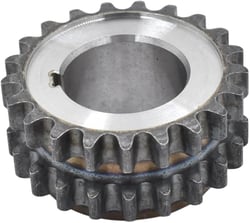
 Representative Photo, actual item may vary

What Is an Engine Timing Crankshaft Gear?
Nestled at the heart of your engine's valve train, the timing crankshaft gear is one of the most fundamental components in an internal combustion engine. Engine timing crankshaft gears are the toothed wheels pressed onto the crankshaft that transfer rotational force to the camshaft, governing exactly when the intake and exhaust valves open and close. Put simply, the timing gear system ensures that the camshaft — which controls the opening and closing of intake and exhaust valves — rotates in perfect sync with the crankshaft, which tracks piston position.
In a four-stroke engine, this relationship is especially precise: the camshaft turns at exactly half the speed of the crankshaft, meaning each valve opens once for every two full crankshaft revolutions. This 2:1 reduction ratio is built directly into the gear geometry and is critical for correct combustion sequencing across every cylinder.
Why the Crankshaft Gear Matters
Engine timing is not something that tolerates approximation. Even a single tooth of misalignment between the crankshaft gear and the rest of the timing drive can throw off valve events enough to cause knocking, hard starting, or backfiring — and in interference engines, it can result in catastrophic piston-to-valve contact. Over time, gear teeth can erode, backlash can develop, or improper reassembly can throw off synchronization entirely.
Unlike rubber timing belts, a properly spec'd timing crankshaft gear is a metal component engineered for extreme durability and dimensional consistency. Gear-driven timing systems are more durable, require less frequent maintenance, and eliminate the risk of belt snapping or chain slackening — making the crankshaft gear a cornerstone of long-term engine reliability whether you're driving a daily commuter, a diesel workhorse, or a high-performance build.
What to Look for When Replacing a Timing Crankshaft Gear
- Fitment Accuracy: The crankshaft gear must match your engine's exact bolt pattern, keyway position, and tooth count. Confirm compatibility with your year, make, model, and engine code before purchasing.
- Material and Heat Treatment: Look for pre-stressed and heat-treated steel construction, which provides increased strength and wear resistance in the high-heat, high-stress environment directly adjacent to the crankshaft.
- OEM or Better Standards: For stock replacements, choose gears that meet or exceed OEM specifications for tooth profile and dimensional tolerances. Performance builds may benefit from gears designed for tighter mesh and reduced backlash.
- System Compatibility: The crankshaft gear works as part of a broader timing drive system. When replacing it, it's wise to inspect — and often replace — associated components like the timing chain, tensioners, and guides at the same time.
Top Brands in Engine Timing Crankshaft Gears
When it comes to timing crankshaft gears, brand heritage and engineering depth matter enormously. Cloyes stands as the preeminent name in aftermarket timing components. Founded in 1921, Cloyes has served the automotive industry with leading timing drive systems for more than 100 years, and was the innovator behind the very first patented True® Roller timing set in 1970. As the North American leader in timing drive systems, Cloyes engineers each component using CAD design and premium materials, testing every part for function, fitment, and durability — all backed by a Limited Lifetime Warranty. For anyone rebuilding a valve train or restoring precise engine performance, Cloyes crankshaft gears represent a century of focused expertise in a single part.