


Bearing Carrier
 Representative Photo, actual item may vary


 Representative Photo, actual item may vary

 Representative Photo, actual item may vary
OE Aftermarket 1J0 407 255 AH OEA Front Left Steering Knuckle Axle Bearing Carrier
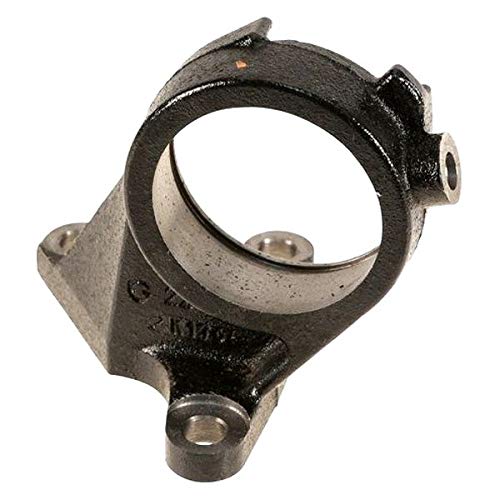 Representative Photo, actual item may vary

 Representative Photo, actual item may vary

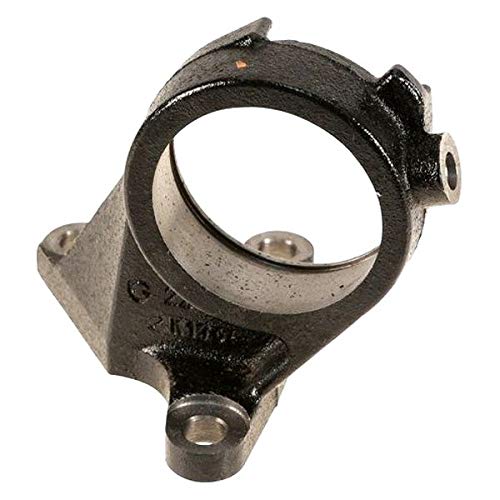 Representative Photo, actual item may vary



What Is a Bearing Carrier?
Buried deep within your vehicle's differential assembly, the bearing carrier plays a critical but often overlooked role in keeping your drivetrain operating smoothly. In the context of the differential, the bearing carrier is the housing or structural component that locates and retains the carrier bearings — the bearings that seat on either side of the differential case and allow it to spin freely within the axle housing. Without a properly functioning bearing carrier, the entire differential assembly would lack the precise support it needs to transfer torque efficiently to your wheels.
Bearing carriers are found across automotive and marine driveline applications. In marine stern drive and outboard systems, the bearing carrier is a machined housing at the lower end of the drive unit that supports the propeller shaft and its associated bearings and seals, keeping everything in tight rotational alignment even under the stress of high-speed operation and variable loads.
Why the Bearing Carrier Matters
The differential carrier bearing — supported by the bearing carrier — is what the differential case actually sits on inside the rear axle housing. These bearings must handle significant radial and thrust loads while maintaining precise gear mesh between the ring and pinion. A worn or damaged bearing carrier allows excessive play to develop, which can lead to accelerated gear wear, drivetrain vibration, noise, and eventually catastrophic differential failure.
In marine applications, the bearing carrier serves a similarly vital function: it houses the propeller shaft bearings and seals, protecting them from the harsh underwater environment while keeping the shaft properly aligned for efficient power transfer. Neglecting a worn bearing carrier in a sterndrive or outboard can allow water intrusion into the gearcase and result in far more extensive — and expensive — damage.
What to Look for When Shopping Bearing Carriers
- Exact fitment: Bearing carriers are highly application-specific. Always cross-reference your engine brand, model, horsepower rating, and year before purchasing.
- Material quality: Look for carriers machined from durable materials capable of handling both rotational stress and, in marine applications, corrosion from saltwater exposure.
- OEM compatibility: Replacement bearing carriers should meet or exceed original equipment specifications to ensure proper bearing seating and seal retention.
- Complete kits vs. individual parts: Depending on your repair, you may need the carrier housing alone or a kit that includes bearings, races, and seals for a complete rebuild.
Top Brands for Bearing Carriers
When it comes to marine bearing carriers, Sierra stands out as the go-to aftermarket source. With a decades-long history as a leading manufacturer of aftermarket marine engine and drive parts, Sierra's bearing carrier components are engineered to replace OEM parts across virtually every major marine engine brand, including Mercury, OMC, Volvo Penta, and more. Their parts are backed by an industry-respected warranty that covers parts and labor — a strong testament to Sierra's confidence in their engineering.