


Subaru FE Sending Units
Nothing in stock matched your search, but here are matching products that are currently out of stock.
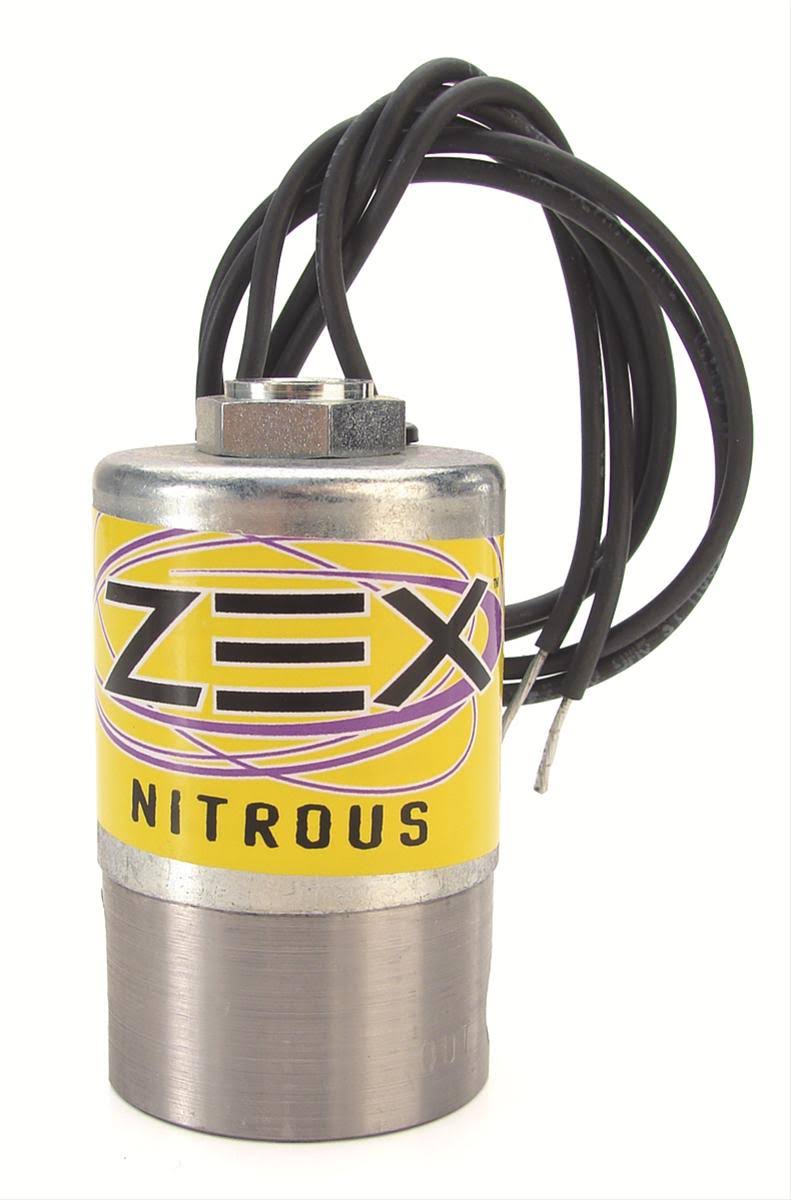 Representative Photo, actual item may vary

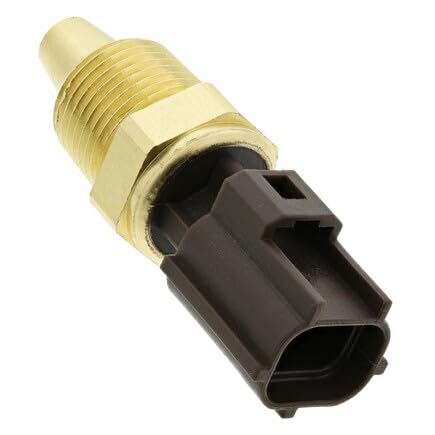 Representative Photo, actual item may vary

What Are Automotive Sending Units?
Sending units are the unsung heroes of your vehicle's instrument panel. Every gauge and warning light on your dashboard depends on a sending unit to translate a real-world physical condition — fuel level, engine coolant temperature, oil pressure — into an electrical signal the driver can actually read and act on.
At their core, sending units work through variable electrical resistance. As conditions change inside the engine or fuel system, the sending unit adjusts its resistance to ground, moving the needle on a gauge or triggering a warning light accordingly. Think of it like a dimmer switch for your engine's vital signs: the physical world speaks, and the sending unit translates.
There are several distinct types of sending units, each serving a critical monitoring function:
- Fuel level senders mount inside the fuel tank and use a float arm that rides the surface of the fuel. As the tank empties, the float drops, changing resistance and moving the fuel gauge needle.
- Oil pressure senders monitor the pressure of engine oil and report to either a dashboard gauge or an oil pressure warning light. Without reliable oil pressure data, a driver has no early warning of low pressure that could cause catastrophic engine damage.
- Engine coolant temperature (ECT) senders measure the temperature of the coolant circulating through the engine and feed that information both to the temperature gauge and to the vehicle's Engine Control Module (ECM). This reading matters not just for the driver, but for fuel trim, cooling fan activation, and other engine management functions.
Sending units are also among the most common electrical components to degrade over time. Heat cycles, corrosion, and general wear cause resistance tracks to fail, floats to saturate, and contacts to corrode — leading to inaccurate gauge readings or false warning lights. When a gauge reads erratic or pegged, a faulty sending unit is often the first suspect.
Engine Coolant Temperature Senders
The most common sending unit repair in this catalog falls under Engine Coolant Temperature Senders. These compact threaded sensors screw directly into the engine block or cylinder head and monitor coolant temp in real time. A failed ECT sender can cause incorrect temperature gauge readings, trigger a check engine light, and even interfere with the ECM's ability to manage fuel delivery properly — making it a replacement part that's both simple and important.
Top Brands in Sending Units
Standard Motor Products is one of the most trusted names in OE-replacement electrical components. Their sending units are engineered to meet or exceed original equipment specifications, covering a wide range of domestic and import applications for oil pressure, coolant temperature, and warning light circuits.
Motorcraft is Ford's own factory parts brand, making their sending units the go-to choice for Ford, Lincoln, and Mercury owners who want a genuine OEM-spec fit. When precision fitment matters above all else, Motorcraft delivers with parts engineered specifically for Ford Motor Company vehicles.
Facet brings specialized expertise in fluid management and sensing components, offering sending units suited to a variety of vehicle platforms. Their focus on quality materials makes them a solid choice for both everyday vehicles and more demanding applications.
Airtex Automotive Division is a long-established manufacturer known primarily for fuel system components, and their sending units reflect that deep expertise. Airtex is a popular choice for fuel tank and fuel level sending unit replacements across a broad range of domestic vehicles.
Walker Products rounds out the top brands with an extensive catalog of sending units, offering broad fitment coverage across many makes and model years. Their wide selection makes them especially useful when searching for harder-to-find sender replacements.
Choosing the Right Sending Unit
When shopping for a replacement sending unit, the most critical factors are vehicle fitment, thread size, and resistance range. A sender with the wrong resistance curve will give inaccurate readings even if it physically threads into place. Always verify compatibility with your specific year, make, model, and engine before purchasing — and when in doubt, OEM-brand senders like Motorcraft for Ford applications eliminate the guesswork entirely.