


Packard Packard Control Modules
1 Control Modules for Packard Packard from FAST. Pick your year to see exact fit.
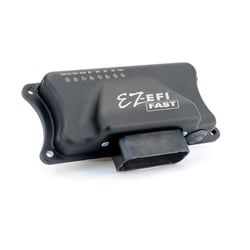

What Are Automotive Control Modules?
Modern vehicles are governed not by mechanical linkages alone, but by a network of sophisticated electronic brains known as control modules. The intricate operation of today's vehicles relies on a symphony of electronic systems working in harmony, with various control modules each responsible for managing specific aspects of the vehicle's operation. Whether you're restoring an older vehicle to factory spec or building a high-performance machine from the ground up, understanding these modules is essential to keeping any engine running at its best.
How Control Modules Work Together
The Engine Control Module is the brain behind your vehicle's engine. Its primary function is to ensure the engine operates efficiently, delivers power, and complies with emission standards — monitoring and managing parameters including air-fuel mixture, ignition timing, and idle speed. But the ECM doesn't work in isolation. Each module has its specific responsibilities, yet they are not isolated entities — the ECM, TCM, and other control modules within the vehicle communicate with each other via a network, typically using a Controller Area Network (CAN) bus, allowing them to share information and coordinate their actions.
The Transmission Control Module, or TCM, is the main controller for an automatic transmission. Like the ECM, the TCM digests data provided by sensors in the transmission and engine that monitor things like engine speed, torque output, oil temps, and wheel speed — using those inputs to determine the optimal time to shift gears. A PCM commonly controls more than 100 factors in a car or truck, and hundreds of error codes can occur when a subsystem experiences a problem — usually triggering the "check engine" light on the dashboard.
Subcategories of Control Modules
This category spans a wide range of module types to cover virtually every application:
- Engine Control Modules (ECM) — The cornerstone of engine management, responsible for fuel delivery, ignition timing, and emissions compliance across thousands of vehicle applications.
- Generator Battery Control Modules — Critical for managing battery charging systems in generators and power equipment, ensuring optimal charge cycles and system protection.
- Engine Control Module PROMs — Programmable Read-Only Memory chips that store the calibration data your ECM relies on; essential for older vehicles and custom tuning applications.
- Traction Control Modules — Monitor wheel speed sensors and intervene with throttle or braking adjustments to prevent wheel slip, keeping vehicles stable under acceleration.
- Engine Control Module Brackets — Mounting hardware that secures control modules safely in the engine bay, preventing vibration damage and ensuring proper positioning.
Top Brands in Control Modules
Choosing a reliable control module starts with choosing a reputable manufacturer. Here are the leading brands available in this category:
- Cardone — A leader in remanufactured control modules, Cardone's ECM/PCMs are designed to meet or exceed OE performance, with reverse engineering used to identify and correct original design weaknesses — and all critical components are re-soldered or replaced at their Philadelphia plant and 100% computer tested.
- Holley EFI — The go-to name in performance engine management. Choosing between Holley's Terminator X, HP EFI, and Dominator EFI systems comes down to your build goals and how much control you want — making Holley a top choice for enthusiasts and racers alike.
- ACDelco — As the OEM parts and service brand backed by General Motors, ACDelco control modules are engineered to factory specifications, making them a trusted choice for GM vehicle owners seeking direct-fit replacements.
- Standard Motor Products — With decades of experience in vehicle electronics, Standard Motor Products offers a broad catalog of control modules designed for precise OE-equivalent fit, form, and function across domestic and import applications.
- Briggs & Stratton — Known primarily for small engines and outdoor power equipment, Briggs & Stratton's control modules are engineered specifically for generators and power equipment, ensuring reliable battery management and system control in demanding conditions.
What to Consider When Replacing a Control Module
Control module replacement is not as simple as swapping a filter or a belt. If your vehicle is experiencing issues, pinpointing whether the ECM or TCM is at fault requires diagnostic tools that can read trouble codes, and it's important to reprogram or flash the replacement module to match the vehicle's specifications. Always verify compatibility by year, make, model, and engine before purchasing, and consult a qualified technician when programming is required.