


Packard Model 2103 Windshield Wiper Arm, Blade, and Related Components
1 Windshield Wiper Arm, Blade, and Related Components for Packard Model 2103 from Anco Wiper Blades. Pick your year to see exact fit.
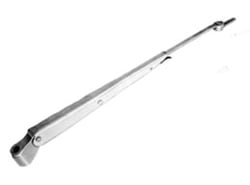

Why Your Wiper System Is More Than Just a Blade
Clear visibility is one of the most critical factors in safe driving, yet the windshield wiper system is one of the most overlooked maintenance items on any vehicle. This category covers every component that keeps your windshield clean and your sightlines unobstructed — from the wiper blade itself to the wiper arm that holds it, the wiper linkage that drives the sweeping motion, and the small but essential wiper arm washers that prevent corrosion and maintain proper tension. Whether you're doing a quick seasonal refresh or diagnosing a chattering, streaking, or inoperative wiper system, understanding each component helps you make the right repair the first time.
Understanding the Full Wiper System
A wiper system is a finely tuned assembly. The wiper motor drives a linkage assembly that converts rotary motion into the back-and-forth arc of the wiper arms. Each wiper arm applies spring-loaded pressure to keep the blade in firm contact with the glass. The wiper blade — whether a traditional bracketed style, a modern beam blade, or a winter-specific design — does the actual wiping work. Convenience shoppers often choose a wiper blade set, which bundles both driver and passenger blades for a matched replacement. Every link in this chain matters: a bent arm, worn linkage bushing, or degraded blade rubber will compromise performance regardless of how new the other components are.
Choosing the Right Wiper Components
When shopping this category, consider your climate, vehicle type, and driving demands. Beam-style blades excel in all-season conditions because their frameless design distributes pressure evenly and resists ice and snow buildup. Traditional bracket blades remain a reliable, cost-effective choice for mild climates. Winter-specific blades use an encased design to prevent ice from forming in the frame. For the wiper arm, always verify the attachment style and spring tension rating — a weak or bent arm will prevent even a premium blade from performing correctly. Linkage components should be inspected whenever wiper motion becomes uneven, slow, or noisy, as worn pivots and bushings are a common and often overlooked cause of poor wiper performance.
Top Brands in Wiper Arms, Blades & Components
Bosch is the dominant force in this category, backed by over a century of wiper development experience. Their lineup spans everything from the popular ICON beam blade to the Aerotwin and Snow Driver series, with innovations like HydroDefense™ technology delivering all-weather durability. TRICO holds a storied legacy as a pioneer in wiper technology — the company manufactured the first commercially available wiper blade in 1917 and has accumulated over 1,000 patents in wiper design since. PIAA brings a performance-oriented approach with their signature silicone rubber blades, which coat the windshield with a water-repellent layer on every pass for enhanced beading and longer blade life. ACDelco is a trusted name for OE-quality replacements, particularly well-suited for GM vehicles where factory-spec fitment is a priority. Dorman rounds out the category with a broad selection of wiper arms and linkage components — an especially valuable resource when OEM parts are discontinued or hard to source.
How Often Should You Replace Wiper Components?
Most manufacturers recommend inspecting wiper blades at least once a year, with replacement typically needed every six to twelve months depending on climate and usage. Wiper arms and linkage components have longer service lives but should be inspected any time you notice streaking that a new blade doesn't fix, uneven arc travel, or wiper arms that fail to return to their rest position. Catching worn linkage bushings or a fatigued arm spring early prevents the kind of wiper failure that catches drivers off-guard in the middle of a storm.