


Chevrolet Venture Sensors
Nothing in stock matched your search, but here are matching products that are currently out of stock.
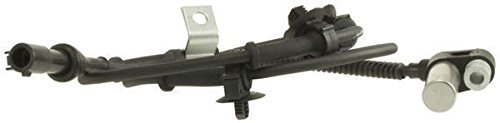 Representative Photo, actual item may vary



What Are Suspension Sensors and Why Do They Matter?
Modern vehicles — from luxury sedans and full-size SUVs to performance trucks and off-road rigs — rely on a network of electronic sensors to keep the suspension system balanced, level, and responsive at all times. Suspension sensors are the eyes of your vehicle's electronic control system, continuously feeding real-time data to the ECU so it can make precise, split-second adjustments to ride height and damping.
Suspension ride height sensors are at the heart of this category. These angular position sensors are mounted to the chassis and connected via a linkage rod to the vehicle's control arm or wishbone. As the suspension compresses or extends — whether from a passenger load, cargo weight, or a rough road — the lever arm rotates, generating an output voltage proportional to that movement. That signal travels to the ECU, which then activates the air suspension compressor or adjusts damper settings to restore the vehicle's preset ride height and stance.
The consequences of a failed sensor extend well beyond a dashboard warning light. A faulty height sensor can cause incorrect ride height information to reach the control module, resulting in a vehicle that sags under load, rides excessively high, or develops uneven tire wear from misaligned camber and toe angles. In air suspension systems, an inaccurate sensor can also cause unnecessary cycling of the compressor, accelerating wear on expensive components like air springs and valve blocks.
Beyond the sensors themselves, the ecosystem of hardware that keeps them working reliably is equally important. Suspension ride height sensor connector rods — the mechanical linkage between the sensor body and the suspension arm — are exposed to road debris, water, and salt, and are a common failure point that can trigger the same fault codes as a sensor failure itself. Air suspension sensor linkage kits provide a complete hardware solution for restoring proper mechanical connection in one package, while suspension ride height sensor brackets ensure the sensor body is correctly positioned and secured to the chassis for accurate, repeatable readings.
Top Brands in Suspension Sensors
Arnott is the dominant name in this category, and for good reason. Founded in 1989, Arnott has grown into a globally recognized leader in aftermarket air suspension, with ride height sensors that are engineered to meet or exceed OE performance standards. Their sensors are designed for plug-and-play installation and are lab-tested for durability across demanding duty cycles, making them a go-to for both DIY enthusiasts and professional technicians restoring air suspension systems on luxury vehicles and trucks.
VEMO brings European engineering expertise to the sensor category. VEMO is a well-established specialist in sensors and switches, with a product range tailored to European nameplates including VW, Audi, BMW, and Mercedes-Benz — making them a strong choice for owners of German luxury vehicles with air suspension systems.
ACDelco is the trusted OEM-affiliated supplier for General Motors vehicles. ACDelco's close tie to GM makes it a natural choice for OEM or near-OEM quality on Cadillac, Chevrolet, Buick, and GMC platforms that use electronically controlled suspension.
Dorman rounds out the coverage picture with broad fitment across domestic and import applications. Dorman's catalog approach ensures wide vehicle coverage, often making them the practical solution when OEM parts are discontinued or hard to source.
For truck and off-road enthusiasts running lifted or modified suspension, Carli Suspension offers sensor solutions engineered around performance aftermarket setups, where factory sensor geometry may need to be adapted for new ride heights and suspension travel.
Choosing the Right Sensor or Hardware
When shopping this category, vehicle application and system type are the most critical factors. Air suspension systems on luxury vehicles typically require sensors matched to specific ECU calibrations, while off-road and performance applications may demand sensors with a wider range of motion. Always verify that connector rods and linkage hardware are compatible with your sensor brand and chassis mounting points — a mismatched rod length can produce inaccurate readings even with a perfectly good sensor installed.