


Chevrolet Express 1500 Control Cables
1 Control Cables for Chevrolet Express 1500 from Dorman. Pick your year to see exact fit.

What Are Automotive Control Cables?
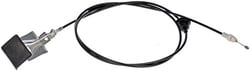
Control cables are the unsung heroes of everyday vehicle operation. These mechanical linkages translate a simple tug on an interior lever or handle into precise action elsewhere on the vehicle — whether that's popping open the hood for an oil check, releasing a fuel filler door before a fill-up, or unlatching a trunk lid. A control cable is a mechanism that enables you to perform a function from inside the vehicle, keeping critical access points convenient and secure without requiring the driver to step outside.
A typical control cable assembly consists of a primary cable, a secondary cable, a latch mechanism, a handle, and a release lever. The inner wire travels through a protective outer sheath, transmitting tensile force with minimal friction. Over time, cables can fray, stretch, corrode, or snap — especially in vehicles exposed to harsh climates or high mileage. When a control cable fails, it can leave a driver completely unable to access the engine bay, fuel filler, or trunk without resorting to workarounds.
Why Control Cable Condition Matters
A properly functioning control cable ensures easy access to the engine compartment for routine inspections, fluid checks, and repairs — and in emergencies, it enables quick access to the engine bay for prompt troubleshooting. A frayed or sticking cable isn't just an inconvenience; it can strand you at the gas pump or prevent necessary maintenance from being performed on time.
Replacement is typically straightforward. Dorman's multi-purpose control cables are designed to reliably repair almost any control cable, letting you replace only the cable itself rather than the entire assembly — saving both time and money on labor.
Subcategories of Control Cables
Control cables serve several distinct functions on a modern vehicle. The most common are:
- Hood Release Cables — The primary function of the hood release cable is to allow access to the engine compartment for maintenance and repairs. In most vehicles, the hood release cable is located near the driver's side door. This is by far the most frequently replaced control cable type.
- Fuel Filler Door Release Cables — These cables connect the interior fuel door release lever to the spring-loaded filler door on the body of the vehicle, allowing the driver to remotely open the fuel filler flap before pumping gas.
- Fuel Filler Door and Trunk Lid Release Cables — Some vehicles combine or route these cable functions together; replacement cables for these applications restore both fuel access and trunk release operation in one repair.
Top Brands in Control Cables
Choosing the right brand ensures a proper fit and lasting durability. Here are the leading names in this category:
- Dorman — A dominant force in the aftermarket, Dorman offers an extensive lineup of control cables. Their cables are constructed of high-quality materials for durability and are available in a variety of styles, including twist-to-lock and push-pull, in different lengths, diameters, and knob designs.
- Genuine — OEM-grade replacement cables that match factory specifications exactly, making them ideal for drivers who want a like-for-like restoration of their vehicle's original hardware and feel.
- Gemo — A focused supplier of control cable solutions offering solid coverage for a range of vehicle applications, with an emphasis on consistent fit and reliable actuation.
- Mopar Performance — The go-to source for Chrysler, Dodge, Jeep, and Ram owners seeking factory-backed components, Mopar Performance control cables are engineered to meet strict OE tolerances for those platforms.
- Genuine VW/Audi — For Volkswagen and Audi vehicles, Genuine VW/Audi cables deliver factory-correct construction, ensuring perfect fitment and smooth operation specific to those European platforms.
What to Look for When Shopping Control Cables
Always verify fitment by year, make, model, and trim before purchasing a replacement control cable. Pay attention to cable length, sheath diameter, and the style of the end fittings — these details determine whether a cable will route and connect correctly. If your vehicle's interior lever has become stiff or spongy, the outer sheath may be kinked or corroded, meaning the entire cable assembly (not just the inner wire) may need replacement. Opting for a vehicle-specific cable over a universal-fit option generally results in a cleaner installation and longer service life.