


2011 Chevrolet Impala Relays


Standard Motor Products S588 A/C Compressor Wiring Connector Pigtail

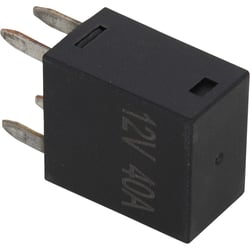

What Are Vehicle Relays and Why Do They Matter?
Relays are small but mighty electrical switches that serve as the backbone of your vehicle's climate control and HVAC systems. A relay allows a low-amperage control signal — from a thermostat, ECU, or control panel — to safely switch on a high-amperage load circuit, such as a blower motor, A/C compressor clutch, or auxiliary heater. Without properly functioning relays, even the most sophisticated climate system simply won't respond.
In automotive applications, relays are frequently used to control many different high-current components with low-current signals from ECUs. Typical automotive applications include the HVAC blower, air conditioning compressor, and many other climate-critical systems. Because these components draw significant amperage, routing that current directly through a dashboard switch or control module would be impractical and potentially dangerous — the relay elegantly solves this problem.
The electrical system that powers and controls the air conditioning on your vehicle is regulated by a series of relays. Relays can control components such as the compressor, compressor clutch, cooling fan, and blower motor. Over time, relays can fail internally and may not send the appropriate electrical signals as needed. If a relay goes bad, the compressor may not turn on, or the blower motor may not run at the correct speed and can fail to turn on at all.
Types of Relays in This Category
This category spans a broad range of relay types, each engineered for a specific role in your vehicle's climate system:
- Temperature Control Relays — Manage the switching signals that regulate cabin temperature, often working in tandem with thermostats and aquastat controllers.
- HVAC Relays — The general-purpose workhorses of the climate system, handling switching duties for blower motors, compressors, and cooling fans.
- Auxiliary Heater Relays — Found in vehicles with rear or supplemental heating systems, these relays energize secondary heater circuits when called upon.
- HVAC Control Panel Relays — Integrated into or closely associated with the dash-mounted climate control interface, translating driver inputs into switching commands.
- A/C Clutch Relays — Specifically responsible for engaging and disengaging the A/C compressor clutch, a critical step in every cooling cycle.
Top Relay Brands
Resideo by Honeywell is the category's leading name, bringing decades of precision relay engineering to both residential HVAC and vehicle climate applications. Resideo relays deliver dependable switching action for HVAC and electrical applications and can be used in both low and line voltage applications.
Four Seasons offers an exceptionally broad catalog of vehicle-specific relays. As part of the SMP Temperature Control Division, Four Seasons manufactures and distributes a comprehensive line of replacement mobile climate control products and is the largest aftermarket mobile climate control parts supplier in the industry.
Standard Motor Products is a trusted name in OE-quality replacement electrical components, offering a wide selection of relays engineered to meet or exceed original equipment specifications for reliable, long-term performance.
Marley Engineered Products brings industrial-grade relay expertise to heating and climate applications, with a focused lineup known for durability in demanding environments.
White Rodgers has a long heritage in precision switching and temperature control components, making their relay offerings a natural fit for HVAC and climate-control applications across multiple vehicle and equipment types.
Choosing the Right Relay
When selecting a replacement relay, always match the voltage rating, amperage capacity, terminal configuration, and mounting style to your original part. Using an undersized relay in a high-draw circuit can lead to premature failure, while a mismatched terminal layout can prevent proper installation. Consulting your vehicle's service manual or verifying by OEM part number is always recommended before purchasing.